Disinfection Standards for Children's Safety Seats
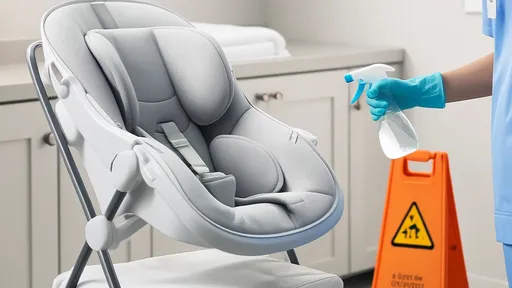
As parents, ensuring the safety and well-being of our children is always a top priority. One often overlooked aspect of child safety is the cleanliness and hygiene of car seats. While most parents diligently buckle their little ones into properly installed car seats, fewer consider the importance of regularly disinfecting these essential safety devices. The process of disinfecting a child's car seat requires careful attention to detail, as improper cleaning methods can damage the seat's structural integrity or leave behind harmful chemical residues.
The importance of maintaining a clean car seat cannot be overstated. Children spend considerable time in their car seats, especially during daily commutes or long road trips. These seats quickly accumulate germs from spills, dirty hands, sneezes, and other sources. Research shows that car seats can harbor more bacteria than toilet seats, making regular disinfection crucial for preventing illness. However, the challenge lies in thoroughly cleaning these complex pieces of equipment without compromising their safety features or manufacturer warranties.
Understanding the materials used in car seat construction is fundamental to proper disinfection. Most modern car seats combine plastic shells with fabric covers and metal components. Each material requires specific cleaning approaches. Harsh chemicals that work well on hard plastics might degrade fabric fibers or corrode metal parts. Similarly, excessive moisture can seep into padding and create ideal conditions for mold growth. Manufacturers typically provide detailed cleaning instructions that should always be followed precisely to maintain the seat's safety certification.
When approaching car seat disinfection, timing matters as much as technique. Immediate attention to spills prevents stains and bacterial growth, while periodic deep cleaning maintains overall hygiene. For liquid spills, prompt action involves blotting rather than rubbing to prevent pushing moisture deeper into fabrics. Solid debris should be carefully removed without scratching plastic surfaces. Between thorough cleanings, quick wipe-downs of high-contact areas like harness buckles and adjuster straps help reduce germ transmission.
The choice of cleaning products significantly impacts both effectiveness and safety. Many parents instinctively reach for household disinfectants, but these often contain chemicals unsuitable for children's prolonged exposure. Pediatric health experts increasingly recommend plant-based, fragrance-free cleaners for car seat disinfection. These products effectively eliminate pathogens without leaving potentially irritating residues. For tough stains or disinfecting needs, isopropyl alcohol solutions in proper dilution often serve as a safer alternative to bleach-based products.
Special attention must be paid to harness systems during the cleaning process. These critical safety components endure constant contact with children's clothing and skin, collecting oils, food particles, and germs. However, improper cleaning can weaken webbing or interfere with buckle mechanisms. Most manufacturers advise against submerging harness components in liquid or using abrasive cleaning tools. Instead, gentle wiping with a damp cloth and mild soap solution, followed by thorough drying, typically proves most effective while preserving safety functionality.
Drying procedures after cleaning are equally important as the disinfection itself. Residual moisture trapped in padding or beneath covers can lead to mildew and unpleasant odors. Whenever possible, car seat covers should be removed and air-dried completely before reassembly. For non-removable components, adequate ventilation during drying is essential. Some parents find using low-heat fans helpful, though direct high heat from hair dryers or heaters should be avoided as it may damage materials. Proper drying typically takes several hours and shouldn't be rushed.
Seasonal considerations also affect car seat hygiene routines. Summer months bring increased sweat and sunscreen residue, while winter sees more exposure to cold germs and wet outerwear. Adapting cleaning frequency to these seasonal challenges helps maintain consistent protection. Additionally, car seats used by multiple children or frequently transferred between vehicles may require more frequent disinfection. Establishing a regular cleaning schedule based on usage patterns ensures consistent hygiene without becoming overly burdensome for busy parents.
The emergence of new technologies has introduced alternative disinfection methods. UV light sanitizers, for instance, offer chemical-free options for eliminating microbes on car seat surfaces. However, parents should research these methods thoroughly, as some materials may degrade with prolonged UV exposure. Similarly, steam cleaning can effectively kill bacteria but may void manufacturer warranties if not approved. When considering innovative approaches, consulting the car seat manual and contacting the manufacturer directly often provides the most reliable guidance.
Storage conditions between uses significantly impact car seat hygiene. Seats left in vehicles continuously are subject to temperature extremes that can accelerate wear while creating environments conducive to bacterial growth. When not in use for extended periods, storing car seats in climate-controlled spaces with breathable covers helps maintain cleanliness. Proper storage also protects seats from dust accumulation and potential pest issues that could compromise hygiene and safety.
Developing good habits around car seat hygiene creates lasting benefits beyond immediate cleanliness. Teaching children to avoid eating in their car seats reduces mess and bacterial growth. Keeping sanitizing wipes in the vehicle allows for quick cleanups after messy situations. Establishing a no-shoes policy on car seats prevents transferring outdoor contaminants. These small behavior modifications, combined with regular thorough cleaning, significantly enhance the overall hygiene of child car seats.
As awareness grows about the importance of car seat hygiene, more resources are becoming available to assist parents. Many children's hospitals now offer guidance on proper cleaning techniques, and some even host car seat cleaning workshops. Online communities of parents share practical tips and product recommendations based on real-world experience. Manufacturer websites frequently update their care instructions as new materials and cleaning technologies emerge. Taking advantage of these resources helps parents make informed decisions about maintaining their children's car seats.
Ultimately, a clean car seat contributes to both the health and safety of young passengers. By incorporating proper disinfection practices into regular vehicle maintenance routines, parents can ensure their children's rides are not only secure but also hygienic. The extra effort required to clean car seats properly pays dividends in reduced illness transmission, extended seat longevity, and peace of mind knowing that every aspect of child vehicle safety has been addressed. As with all aspects of parenting, attention to these details makes a meaningful difference in children's well-being.