What Changed My Sleep Forever – A Real Journey to Better Rest

Nov 29, 2025 By Rebecca Stewart

For years, I chased sleep like it was a ghost—always just out of reach. I tried everything: pills, teas, even counting imaginary sheep. But nothing worked long-term. Then I realized: fixing insomnia isn’t about quick fixes—it’s about rewiring your whole relationship with rest. This isn’t a miracle cure. It’s a slow, honest shift in mindset and habits. If you’re tired of feeling tired, this journey might just change how you think about sleep… and health… forever.

The Hidden Cost of Poor Sleep

Sleep is not a luxury—it is a biological necessity. Yet millions of adults, especially women between the ages of 30 and 55, live in a constant state of sleep deprivation without fully understanding its consequences. Chronic poor sleep goes far beyond feeling groggy in the morning. It seeps into every aspect of life, weakening focus, emotional stability, and physical health. The body repairs cells, consolidates memories, and balances hormones during deep rest. When this process is disrupted night after night, the effects accumulate silently but powerfully.

Imagine waking up each morning already exhausted. You drag yourself through the day, relying on coffee to stay alert. By mid-afternoon, your concentration fades, your thoughts feel foggy, and even simple decisions take effort. This isn’t just fatigue—it’s brain fog, a common symptom of sleep disruption. Studies show that poor sleep impairs cognitive functions such as memory, attention, and problem-solving ability. Over time, this can affect job performance, personal relationships, and confidence. Tasks that once felt manageable now seem overwhelming, and frustration builds easily.

Emotionally, sleep deprivation takes an even deeper toll. The brain’s emotional centers become hyperactive when deprived of rest, making people more reactive to stress and less able to regulate their moods. This can lead to increased irritability, anxiety, and even low-grade depression. A mother trying to manage household responsibilities, care for children, and maintain personal well-being may find herself snapping at loved ones over small issues—not because she doesn’t love them, but because her nervous system is running on empty. The emotional resilience that once helped her navigate life’s challenges begins to erode.

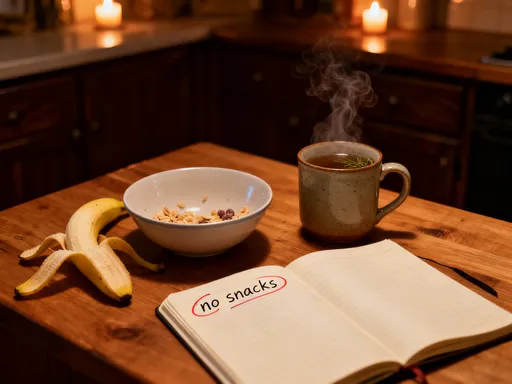
Physically, the risks are equally concerning. Long-term sleep problems are linked to a weakened immune system, making the body more vulnerable to infections and slower to recover. Research also connects chronic insomnia with an increased risk of high blood pressure, type 2 diabetes, and weight gain. This happens because sleep affects hormones that control appetite, stress, and metabolism. For example, lack of sleep increases levels of ghrelin, the hormone that signals hunger, while decreasing leptin, which tells the body it’s full. This imbalance often leads to late-night snacking and cravings for sugary, high-calorie foods—further disrupting sleep and creating a harmful cycle.

Perhaps the most insidious part of poor sleep is that it becomes normalized. Many people accept constant tiredness as just part of adult life, especially during busy phases. But this acceptance masks a deeper issue: sleep is not something to endure or survive—it is foundational to health. When rest is compromised, so is the ability to show up fully in life. The cost isn’t just measured in missed productivity or dark circles under the eyes. It’s measured in lost moments—missing a child’s laughter, skipping a walk with a friend, or feeling too drained to enjoy a hobby. Recognizing this hidden toll is the first step toward change.

Why Most People Get Sleep Wrong

Despite growing awareness about the importance of sleep, many people still operate under deeply ingrained myths that prevent them from achieving real, lasting rest. These misconceptions are often repeated in casual conversation, shared online, or even accepted as common wisdom. The problem is that they sound reasonable—but they are not supported by science. Understanding and correcting these myths is essential for anyone seeking to improve their sleep health.

One of the most widespread beliefs is that you can “catch up” on sleep over the weekend. Many people justify staying up late during the week with the idea that two extra hours of rest on Saturday will make up for lost time. However, research shows that while extra weekend sleep may temporarily reduce daytime sleepiness, it does not fully reverse the metabolic and cognitive damage caused by weekday sleep loss. In fact, irregular sleep patterns—such as sleeping late on weekends—can disrupt the body’s internal clock, or circadian rhythm, making it harder to fall asleep Sunday night and wake up Monday morning. This phenomenon, often called “social jet lag,” mimics the effects of traveling across time zones and can leave people feeling disoriented and sluggish.

Another common myth is that alcohol helps you sleep. Many adults, particularly women managing stress or anxiety, may have a glass of wine in the evening to “unwind.” While alcohol can make you feel drowsy and help you fall asleep faster, it significantly disrupts the quality of sleep later in the night. Alcohol suppresses REM (rapid eye movement) sleep, the stage associated with dreaming and emotional processing. It also causes more frequent awakenings and can worsen snoring or sleep apnea by relaxing the muscles in the throat. The result is a night of fragmented, non-restorative sleep—even if you were unconscious for eight hours.

A third misconception is the belief that some people simply don’t need much sleep. You may know someone who claims, “I only need five hours and I’m fine.” While a tiny fraction of the population has a genetic mutation that allows them to function well on less sleep, most people who say this are adapting to chronic deprivation, not thriving. The brain and body do not adapt to sleep loss—they compensate. Over time, this compensation leads to decreased performance, mood changes, and increased health risks. Feeling “used to” little sleep is not the same as being healthy without it.

Perhaps the most harmful misunderstanding is equating sleep quantity with sleep quality. Sleeping for seven or eight hours sounds ideal, but if that time is filled with frequent awakenings, restlessness, or light, non-refreshing stages, the body does not receive the full benefits of rest. True restorative sleep involves cycling through multiple stages, including deep sleep and REM, in a smooth, uninterrupted pattern. Focusing only on the number of hours misses the bigger picture. Sleep is not a switch to be turned on—it is a complex biological rhythm that requires consistency, preparation, and respect.

The Mindset Shift: From Fighting Sleep to Welcoming It

For many people struggling with insomnia, the act of going to bed becomes an event filled with tension rather than comfort. They lie down with the goal of falling asleep quickly, watching the clock, and growing more anxious with each passing minute. This creates a psychological battle: the harder they try to sleep, the more elusive it becomes. The mind races with thoughts about the next day, unresolved tasks, or even worries about not sleeping. In this state, sleep feels like a performance that must be achieved, rather than a natural process that unfolds.

The key to breaking this cycle is a fundamental mindset shift—from trying to control sleep to learning how to invite it. This means releasing the pressure to “make” sleep happen and instead creating conditions where rest can emerge naturally. It’s similar to how a garden grows: you don’t force a seed to sprout, but you prepare the soil, provide water and sunlight, and allow time for growth. Sleep works the same way. You cannot command your body to shut down, but you can nurture the environment—both physical and mental—that supports rest.

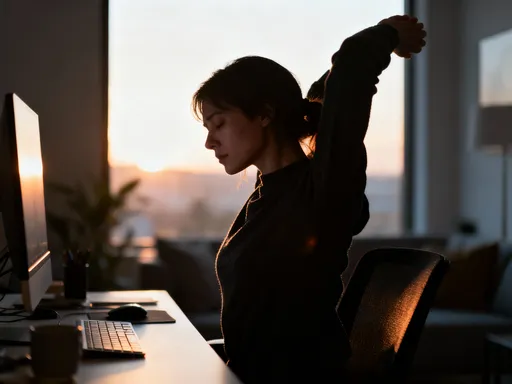
One of the most effective ways to support this shift is to redefine what bedtime means. Instead of viewing it as a deadline for sleep, think of it as a transition period for relaxation and disengagement. This reduces performance anxiety and allows the nervous system to move from a state of alertness to one of calm. Practices such as gentle stretching, reading a calming book, or writing in a journal can signal to the brain that it’s time to slow down. The goal is not to fall asleep the moment your head hits the pillow, but to let go of the need to control the outcome.

Sleep hygiene is often presented as a checklist: no screens, cool room, no caffeine after 2 PM. While these habits are important, treating them as rigid rules can increase stress. A more sustainable approach is to view sleep hygiene as a lifestyle—a series of gentle, consistent choices that support overall well-being. This mindset encourages self-compassion. If you occasionally watch TV in bed or drink coffee too late, it doesn’t mean you’ve failed. It means you’re human. Progress comes from patterns, not perfection. When sleep is seen as part of a larger commitment to health, rather than a nightly test of willpower, it becomes easier to maintain over time.

Building a Sustainable Nightly Routine

A consistent nightly routine is one of the most powerful tools for improving sleep. The body thrives on predictability, and a regular sleep schedule helps anchor the circadian rhythm. Going to bed and waking up at roughly the same time every day—even on weekends—strengthens the body’s internal clock, making it easier to fall asleep and wake up naturally. This consistency signals to the brain when it’s time to release melatonin, the hormone that promotes sleepiness, and when it should begin producing cortisol, the hormone that supports wakefulness.

Equally important is the wind-down period before bed. In today’s world, many people transition directly from screens to sleep, scrolling through emails, social media, or news until their eyes feel heavy. But this habit sends conflicting signals to the brain. The blue light emitted by phones, tablets, and computers suppresses melatonin production, tricking the body into thinking it’s still daytime. At the same time, engaging content—whether exciting, stressful, or emotionally charged—keeps the mind active. To counter this, experts recommend establishing a 60-minute screen-free buffer before bedtime. This allows the nervous system to shift from stimulation to relaxation.

During this wind-down window, calming activities can make a meaningful difference. Reading a physical book, listening to soft music, practicing light stretching, or writing in a gratitude journal are all effective ways to prepare the mind for rest. These activities don’t have to be elaborate—what matters is consistency and intention. Over time, the brain begins to associate these rituals with sleep, making it easier to transition into a restful state. For example, someone who reads a few pages of a novel every night may find that the simple act of opening the book begins to trigger drowsiness.

Environmental factors also play a crucial role. The bedroom should be a sanctuary for sleep—cool, quiet, and dark. Studies suggest that an ideal room temperature for sleep is between 60 and 67 degrees Fahrenheit (15–19°C). A room that is too warm can interfere with the body’s natural drop in core temperature, which is necessary for initiating sleep. Using blackout curtains, earplugs, or a white noise machine can help minimize disruptions. Additionally, reserving the bed for sleep and intimacy—rather than work, eating, or watching TV—strengthens the mental association between the bed and rest.

Change doesn’t have to be overnight. The goal is gradual improvement, not perfection. Someone who typically goes to bed at midnight might start by shifting their bedtime just 15 minutes earlier each week. Small adjustments are more sustainable and less overwhelming than drastic changes. Over time, these incremental steps add up, leading to a more natural and consistent sleep rhythm. The focus should be on progress, not pressure.

Daytime Habits That Shape Your Nights

Sleep doesn’t begin at bedtime—it starts the moment you wake up. The choices made throughout the day have a profound impact on how well you sleep at night. Many people focus solely on nighttime habits while overlooking the powerful influence of daytime routines. By making small, intentional changes during waking hours, it’s possible to create a ripple effect that supports deeper, more restful sleep.

One of the most important daytime habits is exposure to natural light, especially in the morning. Sunlight helps regulate the circadian rhythm by signaling to the brain that it’s time to be awake. Getting even 15 to 30 minutes of outdoor light shortly after waking—whether through a morning walk, sitting by a window, or having breakfast outside—can strengthen the body’s internal clock. This, in turn, improves alertness during the day and makes it easier to fall asleep at night. For those with limited access to sunlight, light therapy boxes that mimic natural daylight can be a helpful alternative.

Physical activity is another key factor. Regular exercise has been consistently linked to better sleep quality and duration. Movement helps reduce stress, increase endorphins, and promote physical tiredness—all of which support rest. However, the timing of exercise matters. While morning or afternoon workouts can enhance sleep, vigorous exercise too close to bedtime may be stimulating for some people. Gentle activities like walking, yoga, or stretching in the evening, on the other hand, can promote relaxation without overactivating the body.

Diet and meal timing also influence sleep. Eating heavy, spicy, or large meals late in the evening can cause discomfort and indigestion, making it harder to fall asleep. Similarly, consuming caffeine—found in coffee, tea, chocolate, and some sodas—too late in the day can interfere with sleep onset. Caffeine has a half-life of about five to six hours, meaning that even a cup of coffee at 3 PM may still have a stimulating effect at bedtime for sensitive individuals. Limiting caffeine intake to the morning hours and avoiding large meals within two to three hours of bedtime can support smoother transitions into sleep.

Stress management is equally critical. Chronic stress keeps the body in a state of heightened alertness, making it difficult to relax at night. Techniques such as mindfulness, deep breathing, or journaling can help process emotions and reduce mental clutter before bed. Even simple practices—like pausing for a few slow, deep breaths during a busy day—can lower stress hormones and improve resilience. The goal is not to eliminate stress, which is a natural part of life, but to build tools for managing it in healthy ways. When daytime stress is addressed, nighttime rest becomes more accessible.

When to Seek Help: Knowing the Limits of Self-Care

While lifestyle changes can significantly improve sleep for many people, they are not a cure-all. Some sleep disorders require professional evaluation and treatment. Recognizing when self-care is no longer enough is an important part of health awareness. Persistent insomnia, loud snoring, gasping for air during sleep, or excessive daytime sleepiness despite adequate time in bed may indicate an underlying condition such as sleep apnea, restless legs syndrome, or chronic insomnia disorder.

Seeking help is not a sign of failure—it is an act of strength and self-respect. A healthcare provider can perform a thorough assessment, review medical history, and recommend appropriate next steps. This may include a sleep study, blood tests to check for imbalances (such as thyroid issues or vitamin deficiencies), or a referral to a sleep specialist. Cognitive behavioral therapy for insomnia (CBT-I) is a highly effective, evidence-based treatment that addresses the thoughts and behaviors that contribute to sleep difficulties. Unlike sleep medications, which may offer short-term relief, CBT-I provides long-term solutions by reshaping the relationship with sleep.

It’s also important to consider how life stages and hormonal changes affect sleep. For women in their 30s, 40s, and 50s, shifts related to perimenopause and menopause can disrupt sleep through night sweats, hormonal fluctuations, and changes in sleep architecture. These are not simply “normal aging” issues—they are real physiological changes that deserve attention and care. Talking openly with a doctor about sleep concerns, especially during these transitions, can lead to effective strategies and support.

Self-awareness is a cornerstone of health. Paying attention to your body’s signals, tracking sleep patterns, and noticing what helps or hinders rest are all valuable steps. But there comes a point when professional guidance is necessary. Just as you would see a doctor for persistent pain or fatigue, sleep problems warrant the same level of care. Taking that step can be the beginning of a more restful, energized life.

Living With Intention: Sleep as a Foundation of Health Awareness

Improving sleep is not just about fixing a single problem—it’s about embracing a deeper commitment to well-being. When rest becomes a priority, it often sparks positive changes in other areas of life. Energy levels rise, mood stabilizes, and mental clarity improves. These shifts make it easier to make healthier choices, whether it’s preparing nutritious meals, staying active, or being more present with loved ones. Sleep, in this sense, becomes a foundation—a quiet but powerful force that supports every other aspect of health.

Many people begin their journey to better sleep out of desperation, but they end up discovering something more profound: self-respect. Choosing to care for your sleep is an act of honoring your body and mind. It says, “I am worth the time, the effort, the peace.” This mindset extends beyond the bedroom. It influences how you set boundaries, manage stress, and show up in the world. Small, mindful changes in routine become expressions of self-worth.

There is no single path to better sleep. What works for one person may not work for another. The key is patience, consistency, and kindness. Progress is rarely linear. Some nights will still be restless. But over time, the overall pattern shifts. The body begins to trust the routine. The mind learns to let go. And sleep, once elusive, becomes a reliable companion.

In a culture that often glorifies busyness and sacrifice, choosing rest can feel radical. But it is not selfish—it is necessary. By redefining sleep not as lost time but as essential time, we reclaim our energy, our health, and our lives. The journey may start with a single change—a screen-free evening, a consistent bedtime, a moment of stillness—but its impact can last a lifetime. Better sleep isn’t just about more hours in bed. It’s about living more fully when you’re awake. And that, perhaps, is the most powerful change of all.


Recommend Posts
Health

How I Stopped Letting Busy Life Kill My Health — And What Actually Worked

By Emma Thompson/Nov 29, 2025

This article explores how to maintain long-term health in a busy world by focusing on sustainable habits instead of willpower. It highlights the dangers of sedentary living, the science behind habit formation, and practical strategies like micro-movements, circadian-aligned workouts, functional fitness, and recovery. Backed by research, it offers real-life solutions for integrating movement into daily routines and creating an environment that naturally supports health.
Health

How I Finally Calmed My Mind: A Real Talk on Emotional Balance for Women

By Victoria Gonzalez/Nov 29, 2025

This article explores the emotional challenges women face due to mental load, hormonal fluctuations, and societal expectations, offering science-backed strategies for achieving emotional balance. It covers breathwork, journaling, boundary-setting, and routines as sustainable tools for mental wellness, emphasizing that emotional health is a lifelong, achievable practice.
Health

Glow Up After the Storm: My Skin’s Comeback Story

By Emma Thompson/Nov 29, 2025

A personal and insightful journey through skin recovery, exploring the emotional and physical challenges of healing a damaged skin barrier. This article emphasizes patience, gentle care, and lifestyle changes over quick fixes, offering a realistic roadmap for women seeking resilient, healthy skin after a crisis.
Health

Elderly Fall Prevention: Ground Surface Modification"

By /Jul 28, 2025

The growing concern over senior safety has brought increased attention to home modifications that can prevent dangerous falls. Among these interventions, floor surface adaptations have proven particularly effective in reducing accident rates. As populations age globally, understanding how to create slip-resistant environments becomes not just a matter of comfort but of life-saving necessity.
Health

From Flab to Fit: How I Turned My Fatty Liver Around with Real Lifestyle Shifts

By Amanda Phillips/Dec 30, 2025

Discover how simple, sustainable lifestyle changes reversed a fatty liver diagnosis—no extreme diets or magic pills. This personal journey highlights diet shifts, stress management, sleep improvements, and mindset changes that restored energy, digestion, and overall health, offering hope and practical steps for anyone facing NAFLD.
Health

Emergency Call Reminder Design

By /Jul 28, 2025

In the fast-paced world we live in, emergency situations can arise without warning. Having quick access to emergency contact numbers can mean the difference between life and death. This is where the humble yet crucial emergency contact memo sticker comes into play. These small but mighty tools serve as a lifeline in critical moments, ensuring that vital numbers are always within reach when every second counts.
Health

Gut Health Unlocked: How Probiotics Changed My Daily Wellness Routine

By Sophia Lewis/Nov 30, 2025

Discover how probiotics transformed one person's gut health and overall wellness, from reducing bloating and fatigue to improving immunity, mental clarity, and skin. This personal journey explores the science behind probiotics, strain selection, and long-term habits that support a balanced microbiome for lasting health benefits.
Health

How I Bounced Back Stronger: My Real Talk on Exercise for Recovery

By Emily Johnson/Nov 30, 2025

Discover how strategic, gentle exercise transformed a personal recovery journey, blending science and real-life experience to rebuild strength, confidence, and resilience after injury or inactivity.
Health

How I Reset My Body in Just Days—Simple Hacks for Modern Burnout

By Daniel Scott/Nov 30, 2025

Discover how simple, science-backed habits like breathwork, circadian rhythm alignment, and micro-movements can rapidly reverse modern burnout and restore energy, focus, and resilience without drastic lifestyle changes.
Health

How I Balanced My Qi with Simple Eating Habits—And Why It Changed Everything

By Natalie Campbell/Nov 29, 2025

Discover how aligning simple eating habits with traditional Chinese concepts of qi can transform energy, focus, and overall well-being. This personal journey explores the powerful connection between food, digestion, and internal energy flow, offering practical, sustainable steps to balance qi through warm, nourishing meals and gentle qigong practices—no extreme diets or rigid rules required.
Health

How I Beat Daily Burnout with Simple Moves That Actually Work

By Grace Cox/Nov 29, 2025

Discover how simple, science-backed movements can combat daily burnout and boost energy more effectively than extra sleep. This article reveals practical strategies like the 5-Minute Energy Reset, walking routines, light resistance exercises, and circadian rhythm alignment to naturally enhance alertness, focus, and overall vitality without intense workouts or drastic lifestyle changes.
Health

Why Your Body Actually Recovers When You Do Less

By Rebecca Stewart/Nov 30, 2025

This article explores the science behind physical and mental recovery, explaining how rest activates cellular repair, hormone balance, and nervous system restoration. It challenges the myth of constant productivity, highlighting the biological necessity of stillness for long-term health, and offers practical habits to support sustainable recovery without relying on technology.
Health

My 5-min morning routine for all-day energy

By Lily Simpson/Nov 17, 2025

You know that feeling when you wake up already exhausted? I used to hit snooze three times, stumble through my morning, and rely on coffee just to feel semi-human by 10 AM. Then I discovered something that completely transformed my energy levels: a five-minute morning ritual that sets me up for success every single day. It's not about complicated protocols or expensive supplements—just simple, science-backed habits that anyone can implement.
Health

How I Tamed My Emotions in Just Minutes—And Transformed My Days

By John Smith/Nov 29, 2025

Discover science-backed techniques to regulate emotions in minutes, improve mental clarity, and build lasting resilience through simple daily practices that transform emotional responses and enhance overall well-being.
Health

How I Found Balance: My Real Talk on Qigong for Body Tuning

By George Bailey/Nov 30, 2025

This personal journey explores how qigong transformed the author's health by restoring energy, reducing stress, and improving mind-body connection through gentle, consistent practice. It highlights real-life benefits over time, not quick fixes.
Health

The Social Plate: How Shared Meals Can Transform Your Health

By James Moore/Nov 30, 2025

This article explores how shared meals positively impact physical and mental health, revealing that eating with others improves digestion, dietary choices, and emotional well-being. Backed by scientific research, it highlights the hidden health benefits of social eating, from reduced obesity risk to lower stress levels, and offers practical strategies to reintegrate meaningful mealtime connections into modern, busy lives.
Health

How I Finally Made Exercise Stick — And Transformed My Daily Life

By David Anderson/Nov 29, 2025

Discover how small, consistent movements transformed a once-fragile fitness journey into a sustainable daily habit. This article explores the power of micro-habits, redefining exercise beyond the gym, and how letting go of perfection led to lasting energy, focus, and well-being.
Health

Glow From Within: How I Transformed My Skin Through Daily Habits

By Natalie Campbell/Nov 29, 2025

Discover how daily lifestyle habits like hydration, sleep, stress management, and nutrition can transform your skin from within. This article explores the science behind glowing skin, emphasizing that true radiance comes not from topical products alone, but from consistent, holistic health practices that support long-term skin wellness.
Health

Disinfection Standards for Children's Safety Seats

By /Jul 28, 2025

As parents, ensuring the safety and well-being of our children is always a top priority. One often overlooked aspect of child safety is the cleanliness and hygiene of car seats. While most parents diligently buckle their little ones into properly installed car seats, fewer consider the importance of regularly disinfecting these essential safety devices. The process of disinfecting a child's car seat requires careful attention to detail, as improper cleaning methods can damage the seat's structural integrity or leave behind harmful chemical residues.
Health

Pet Hair Allergy Control Plan

By /Jul 28, 2025

For millions of pet lovers around the world, the joy of having a furry companion is often overshadowed by the discomfort of pet hair allergies. These allergies can range from mild sneezing and itchy eyes to severe respiratory issues, making it difficult for sufferers to enjoy the company of their beloved pets. Understanding the root causes and implementing effective prevention strategies can make a significant difference in managing these allergic reactions.
Health

Calm Mind, Steady Numbers: How I Tamed My Blood Pressure Naturally

By Elizabeth Taylor/Nov 29, 2025

Discover how managing stress and achieving mental calm can naturally lower blood pressure. This personal journey reveals the powerful connection between emotional balance and heart health, offering practical daily habits that support long-term well-being without relying solely on medication.
Health

Piano Hand Injury Prevention Exercise

By /Jul 28, 2025

In today's technology-driven world, keyboard use has become an integral part of daily life for millions of people. From office workers to students, programmers to writers, our hands are constantly engaged in typing activities. This repetitive motion can lead to various musculoskeletal disorders if proper care isn't taken. Keyboard hand prevention exercises have emerged as a crucial practice for maintaining hand health and preventing long-term damage.
Health

How I Turned My Low-Energy Days Around — Real Changes That Actually Work

By Amanda Phillips/Nov 29, 2025

Discover how small, science-backed daily habits transformed chronic fatigue into sustained energy and mental clarity. This personal journey explores practical strategies for overcoming suboptimal health through hydration, natural light, movement, nutrition, and restorative sleep — no quick fixes, just real, lasting change.
Health

Pediatric Dosage Calculator

By /Jul 28, 2025

When it comes to administering medication to children, precision is not just important—it’s a matter of safety. Unlike adults, children’s bodies are still developing, which means their ability to metabolize drugs can vary significantly based on age, weight, and other physiological factors. A children’s dosage calculator is an essential tool for parents, caregivers, and healthcare professionals to ensure accurate dosing tailored to a child’s specific needs. Misjudging even a small amount can lead to underdosing, rendering the treatment ineffective, or overdosing, which may cause harmful side effects.
Health

Glow Up Without the Hype: How Real Skin Changes Happen

By Emma Thompson/Nov 30, 2025

True skin transformation isn't about trendy products but consistent, holistic habits. This article explores how hydration, sleep, stress management, and nutrition work together to create lasting radiance from within, revealing the science behind real skin health beyond the hype.
Health

The breathing hack that calms anxiety in minutes

By Noah Bell/Nov 17, 2025

You're sitting at your desk, heart pounding for no apparent reason. Your palms feel clammy, thoughts race in circles, and that familiar tightness wraps around your chest. Anxiety has arrived uninvited again. What if you could dial it down in minutes without medication or complicated techniques? There's a powerful tool you've been carrying with you all along—your breath.
Health

Food Safety Storage Temperature Chart

By /Jul 28, 2025

Food safety is a critical concern for households, restaurants, and food businesses alike. Proper storage temperatures play a pivotal role in preventing foodborne illnesses and ensuring that perishable items retain their quality. Understanding the correct temperature ranges for different food categories can mean the difference between safe consumption and potential health risks.
Health

How I Kept My Balance—And My Independence—Through the Years

By Joshua Howard/Nov 29, 2025

This personal health journey explores how maintaining balance through small, consistent habits can preserve independence, especially when managing chronic conditions like diabetes. It highlights practical exercises, lifestyle changes, and the importance of proactive care to improve stability and overall well-being over time.
Health

Why I'm obsessed with walking for mental health

By Michael Brown/Nov 17, 2025

I used to think therapy happened in an office with a comfortable couch and a box of tissues. Then I discovered a different kind of therapy, one that doesn’t cost a thing and is available 24/7. It’s called walking. My obsession began during a particularly rough patch. My mind was a tangled mess of deadlines, anxieties, and a constant, low-grade hum of stress. One afternoon, overwhelmed, I just put on my sneakers and left my apartment with no destination. An hour later, I returned feeling… clearer. Lighter. It wasn’t a miracle cure, but it was a start. That was the moment I realized I’d stumbled onto something profound.
Health

Calm Mind, Younger You: How Emotional Balance Keeps You Feeling Fresh

By Rebecca Stewart/Nov 29, 2025

Discover how emotional balance acts as a powerful anti-aging tool by reducing stress, improving sleep, and enhancing skin and immune health. This article explores the science behind emotions and aging, revealing practical mind-body practices that promote lasting vitality and a fresher, younger feel from within.
Health

Hair, Mind, and Me: How Mental Balance Transforms Your Hair Health

By David Anderson/Nov 29, 2025

Discover how mental balance and emotional wellness profoundly impact hair health, exploring the science behind stress-related hair loss and holistic strategies that nurture both mind and scalp for stronger, shinier hair from within.
Health

How I Fixed My Back Pain with This Simple Daily Routine

By Joshua Howard/Nov 29, 2025

Discover a simple, science-backed daily routine that transformed chronic back pain into lasting relief. This practical guide emphasizes gentle movement, core activation, and consistent habits to support spinal health and improve mobility—no equipment or intense workouts required.
Health

Mental Labor Energy Meal Pack

By /Jul 28, 2025

The modern workplace has evolved significantly, with an increasing number of professionals engaged in mentally demanding tasks. Brain workers, from software developers to financial analysts, often find themselves drained by midday, struggling to maintain focus and productivity. This phenomenon has given rise to a growing interest in specialized energy-boosting snacks tailored specifically for cognitive performance. Unlike traditional energy bars designed for physical endurance, these "brain fuel" packs aim to sustain mental clarity, enhance concentration, and prevent the dreaded afternoon crash.
Health

Time Flies, But Your Body Doesn’t Have To

By Natalie Campbell/Nov 29, 2025

Aging doesn't have to mean decline. This article explores how tracking key health metrics—like energy, recovery, and mental clarity—can help you age with vitality. Discover science-backed lifestyle changes that support long-term well-being and improve biological age, not just appearance.
Health

Dancing Into Focus: How I Tracked My Health and Felt the Change

By Olivia Reed/Nov 29, 2025

Discover how combining joyful dancing with simple health tracking transformed one person's physical and emotional well-being, revealing powerful insights about movement, mood, and self-awareness through real-time data and mindful connection.
Health

Sleep Smarter, Heal Faster: My Doctor-Backed Routine That Changed Everything

By Eric Ward/Nov 29, 2025

Discover how aligning your daily routine with your body's natural circadian rhythm can accelerate healing and improve recovery. Backed by medical research, this article reveals the science behind sleep's role in immune function, tissue repair, and brain health, offering practical, doctor-supported strategies to optimize rest and enhance overall well-being.
Health

How I Cut My Healthcare Costs Without Skipping Checkups

By Grace Cox/Nov 30, 2025

Discover how strategic planning and smart use of insurance benefits can significantly reduce healthcare costs without skipping essential checkups. This article shares real-life tips on avoiding hidden fees, optimizing timing for preventive services, choosing the right insurance plan, leveraging telehealth, and using generics to save hundreds annually while staying healthy.
Health

Procedure for Disposing of Expired Medications in a Home Medicine Cabinet

By /Jul 28, 2025

In households around the world, medicine cabinets serve as a first line of defense against minor ailments. From pain relievers to allergy medications, these small collections of pharmaceuticals provide quick relief when needed. However, what many families fail to recognize is that these helpful remedies come with an expiration date – both literally and figuratively. The proper disposal of expired medications isn't just about clearing shelf space; it's a critical component of household safety and environmental protection that demands our attention.
Health

How I Made Mediterranean Eating Actually Simple – And Why It Changed Everything

By George Bailey/Nov 30, 2025

Discover how simplifying the Mediterranean diet led to lasting health changes, increased energy, and a better relationship with food. This real-life approach focuses on small, sustainable swaps rather than perfection, making healthy eating enjoyable and achievable for busy women.
Health

Why My Stomach Finally Calmed Down — The Sleep Routine That Changed Everything

By Elizabeth Taylor/Nov 29, 2025

Discover how aligning your sleep schedule with your body's natural rhythm can transform your gut health, reduce bloating, and improve digestion—even without changing your diet. This article explores the science behind the gut-sleep connection and offers a practical 7-day plan to reset your internal clock for lasting digestive wellness.
Health

Why Hiking Changed My Health Mindset Forever

By David Anderson/Nov 29, 2025

Hiking transformed the author's health mindset by shifting focus from appearance and metrics to presence, self-compassion, and connection with nature. This personal journey reveals how mindful movement in natural environments fosters physical, mental, and emotional well-being in sustainable and profound ways.
Health

Why I Swear by Tai Chi for Everyday Calm and Strength

By Emma Thompson/Nov 29, 2025

Discover how Tai Chi transformed one person's approach to health, offering calm, strength, and resilience through slow, intentional movement. This personal journey explores its real benefits for stress, sleep, balance, and mental clarity, debunking myths and showing how it fits into modern life.
Health

What Changed My Sleep Forever – A Real Journey to Better Rest

By Rebecca Stewart/Nov 29, 2025

This personal journey explores the transformative power of rethinking sleep, not as a problem to fix but as a vital part of health. It reveals the hidden impacts of poor sleep, debunks common myths, and offers practical, science-backed strategies for building sustainable sleep habits and improving overall well-being.
Health

How I Learned to Glow from Within: My Skincare Health Journey

By John Smith/Dec 31, 2025

This personal journey explores how inner health profoundly impacts skin wellness, emphasizing hydration, sleep, diet, and stress management. The author shares insights on tracking bodily signals, debunking skincare myths, and embracing a holistic, compassionate approach to achieve lasting radiance from within.
Health

How I Finally Learned to Recover Right—And Why It Changed Everything

By Noah Bell/Nov 29, 2025

This article shares a personal journey of overcoming burnout by redefining recovery as an active, intentional practice. It explores the science behind true recovery, identifies common barriers, and introduces a practical four-pillar framework that enhances resilience through movement, nutrition, sleep, and mental well-being.
Health

How Massage Therapy Quietly Transforms Recovery – A Clinician’s Insight

By Eric Ward/Nov 29, 2025

This article explores the clinical role of massage therapy in rehabilitation, highlighting its physiological benefits, scientific backing, and integration into recovery plans. It explains how targeted techniques reduce pain, improve mobility, and support healing, offering insights for clinicians and patients alike.
Health

Air Conditioning Cleaning Cycle Calculation Formula

By /Jul 28, 2025

Maintaining a clean air conditioning system isn’t just about comfort—it’s a matter of efficiency, cost savings, and even health. Many homeowners and facility managers overlook the importance of regular cleaning, often waiting until performance drops or odors emerge. However, there’s a method to determining the optimal cleaning frequency, and it hinges on a combination of factors that go beyond guesswork.
Health

This $20 supplement actually fixed my gut issues

By Sophia Lewis/Nov 17, 2025

I’ll be honest: I was skeptical. After years of bloating, unpredictable stomach cramps, and that sluggish feeling after meals, I’d tried everything—probiotics, elimination diets, even cutting out gluten entirely. Nothing seemed to stick. Then, a friend mentioned a simple $20 supplement that changed her gut health almost overnight.

Health

Ergonomic Adjustments Guide for Workstations

By /Jul 28, 2025

In today's modern workplaces, where many of us spend the majority of our waking hours seated at desks, the importance of ergonomic workstation adjustments cannot be overstated. The way we position our chairs, monitors, keyboards, and other equipment has a profound impact on our physical health, productivity, and overall well-being. Yet, far too many employees settle into poorly configured workstations without realizing the long-term consequences.
Health

How I Calmed My Blood Pressure and Reclaimed My Energy – A Real Journey

By Grace Cox/Nov 29, 2025

A personal journey of overcoming high blood pressure through sustainable lifestyle changes, focusing on diet, movement, stress management, and sleep to regain energy and long-term vitality without relying on quick fixes.
Health

Gold Standard for Bathroom Anti-Slip Measures

By /Jul 28, 2025

The bathroom, often considered a sanctuary for relaxation, paradoxically presents one of the highest slip-and-fall risks in any household. Every year, thousands of accidents occur in this seemingly harmless space, leading to injuries ranging from minor bruises to severe fractures. Understanding and implementing the gold standard for bathroom slip prevention isn’t just about adding a rubber mat—it’s a comprehensive approach that blends material science, ergonomic design, and behavioral awareness.
Health

How I Took Control of My Health Before It Was Too Late

By Natalie Campbell/Nov 29, 2025

After a prediabetes diagnosis, the author shifted focus from weight as a cosmetic issue to a critical health marker. Through sustainable lifestyle changes like mindful eating, regular movement, and mindset shifts, they reversed prediabetes and reduced chronic disease risk, proving that small, consistent choices can lead to lasting health improvements.
Health

Sleep Without the Crash: What I Stopped Eating to Finally Rest Well

By Amanda Phillips/Nov 29, 2025

Discover how certain foods can disrupt sleep quality and what to eat instead for deeper, more restful nights. This article explores the science behind diet and sleep, offering practical tips to break the cycle of late-night snacking and improve overall well-being through better food choices.
Health

Breathe Into the Moment: How Slowing Down Transformed My Mind

By William Miller/Nov 29, 2025

This article explores how slowing down through meditation can transform mental clarity and emotional well-being in a fast-paced world. It delves into the science of mindfulness, the benefits of stillness, and practical ways to integrate meditation into daily life, especially for women juggling multiple responsibilities. By focusing on breath and presence, the author reveals how meditation is not an escape but a powerful return to self.
Health

How I Smartly Managed My Vision Correction Costs Without Sacrificing Quality

By Joshua Howard/Nov 29, 2025

This article shares practical strategies for reducing vision correction costs without compromising care quality, covering eye exams, glasses, contacts, insurance pitfalls, and preventive habits to protect both eyesight and finances over time.
Health

Morning Smoothie Hack That Boosts My Energy All Day ✨

By Thomas Roberts/Nov 12, 2025

You know that feeling when your alarm goes off and you're already mentally exhausted before the day even begins? I used to drag myself through mornings, relying on multiple coffees just to function until noon. My energy crashes were so predictable my coworkers could set their watches by my 11 AM slump. Then I discovered something that completely transformed my mornings—and it wasn't another supplement or complicated routine.
Health

Balancing Diet for Emotional Health

By /Jul 28, 2025

When sadness strikes, our bodies undergo subtle yet significant physiological changes that often go unnoticed. The connection between emotional distress and physical well-being runs deeper than most people realize, with nutritional needs shifting during periods of emotional turmoil. What we choose to eat during these vulnerable moments can either exacerbate our melancholy or help restore balance to both mind and body.
Health

Strategies for Alleviating Eye Strain During Video Conferences"

By /Jul 28, 2025

The rise of video conferencing as a primary mode of communication has brought with it an unexpected challenge: digital eye strain. As millions of professionals spend hours each day staring at screens during virtual meetings, reports of eye fatigue, dryness, and discomfort have skyrocketed. This phenomenon, sometimes called "Zoom fatigue," goes beyond simple tiredness - it represents a growing occupational health concern that demands thoughtful solutions.
Health

How I Built Muscle Without Burning Out — Simple Recovery Rules That Actually Work

By William Miller/Nov 29, 2025

Discover how prioritizing recovery—through sleep, nutrition, active rest, and listening to your body—can lead to sustainable muscle growth without burnout. This article shares practical, science-backed strategies for building strength safely and effectively over time.
Health

Youth on Repeat: How My Movement Routine Keeps Time at Bay

By Elizabeth Taylor/Nov 29, 2025

Discover how a consistent movement routine can combat the effects of aging by improving strength, mobility, and vitality. This article explores science-backed strategies to maintain biological youth, emphasizing daily motion over intense exercise for long-term health and energy.
Health

Template for Family Health Records

By /Jul 28, 2025

The concept of a family health record has gained significant traction in recent years as households seek more organized ways to manage their medical information. Unlike individual health records, which focus solely on one person, a family health archive serves as a centralized repository for tracking the medical history, vaccinations, allergies, and ongoing treatments of all family members. This holistic approach not only simplifies healthcare management but also ensures that critical information is readily available during emergencies or routine doctor visits.
Health

How I Fixed My Smile Without Surgery — Real Talk on Healing Teeth the Natural Way

By Olivia Reed/Nov 30, 2025

Discover how one person transformed their oral health naturally without surgery, using science-backed daily habits, dietary changes, and a healing-focused mindset that reversed gum disease and sensitivity over 18 months.