How I Kept My Balance—And My Independence—Through the Years

Nov 29, 2025 By Joshua Howard

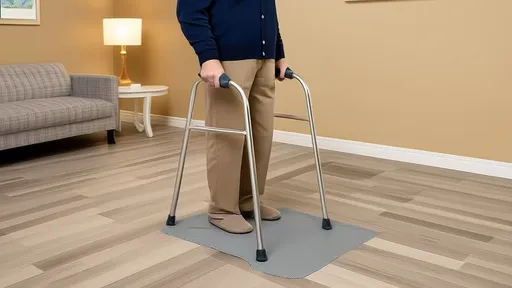
We don’t think about balance until we start losing it. For me, it was a near fall on the stairs that opened my eyes. Balance isn’t just about staying upright—it’s about staying in control of your daily life, especially when managing long-term health conditions. Over time, I learned that small, consistent moves make a big difference. This is my journey of maintaining stability, not just on my feet, but in life—through smarter habits, awareness, and daily practice that anyone can follow.

The Moment Everything Shifted

It happened on an ordinary Tuesday morning. I was halfway down the staircase inside my home, coffee mug in hand, when my foot slipped slightly on the edge of a step. I caught myself against the railing, heart pounding, but the moment left a lasting impression. I hadn’t fallen, but the near-miss shook me. That small stumble was not just a fluke—it was a signal. I realized I had been compensating for subtle shifts in my balance without even noticing. For years, I had managed my type 2 diabetes with medication and diet, but no one had ever told me how closely it was tied to my sense of stability.

This incident forced me to confront an uncomfortable truth: balance is not something we can take for granted, especially as we age or live with chronic conditions. The ability to stand, walk, and move without fear is foundational to independence. Yet, many people, particularly women between the ages of 30 and 55 who are managing multiple roles at home and work, overlook early signs of instability. A wobble here, a near trip there—these are not just annoyances. They can be early warnings of deeper physical changes that, if unaddressed, may lead to serious falls, injuries, or loss of autonomy.

What made this moment transformative was not the fall itself, but the realization that balance is not passive. It’s not something we either have or don’t. It’s a dynamic system that can be strengthened, just like any other part of the body. The turning point was shifting from fear to action. Instead of dismissing the incident as a one-time scare, I began to ask questions: Why did I lose stability? Could this happen again? And most importantly, what could I do to prevent it? That curiosity led me down a path of learning, practice, and ultimately, empowerment.

Why Balance Matters More Than You Think

Beyond the obvious risk of falling, balance plays a critical role in overall health and quality of life. Many people assume that balance is simply about coordination or muscle strength, but it’s actually a complex integration of multiple body systems working in harmony. When any part of this system is compromised—due to age, illness, or inactivity—the effects can ripple through daily life. Simple tasks like carrying groceries, stepping into the shower, or walking on uneven ground become more challenging and potentially dangerous.

For individuals managing chronic conditions such as diabetes, arthritis, or neurological disorders like peripheral neuropathy, balance issues are especially common. In diabetes, for example, high blood sugar levels over time can damage nerves in the feet and legs, a condition known as diabetic neuropathy. This nerve damage reduces sensation, making it harder to detect shifts in position or surface changes. As a result, the body’s ability to make automatic corrections to maintain balance is impaired. Similarly, arthritis can limit joint mobility and cause pain, altering gait and posture, which in turn affects stability.

Research shows that adults with chronic health conditions are at significantly higher risk of falls. According to the Centers for Disease Control and Prevention (CDC), one in four adults aged 65 and older falls each year, and many of these falls result in serious injuries such as fractures or head trauma. But the risk begins much earlier. Even in midlife, subtle declines in balance can set the stage for future problems. The good news is that fall risk is not inevitable. Studies consistently demonstrate that balance training can reduce fall rates by up to 30 percent, even among high-risk populations. This means that proactive steps taken today can have a measurable impact on long-term safety and independence.

What many don’t realize is that balance is not just a physical skill—it’s a marker of overall health. When balance starts to falter, it can indicate underlying issues with muscle strength, joint function, vision, or neurological health. Addressing balance, therefore, is not just about preventing falls. It’s about maintaining the ability to live fully—to play with grandchildren, garden, travel, or simply move through the day with confidence. It’s about preserving dignity and self-reliance, which are deeply tied to emotional well-being.

The Science Behind Stability

Understanding how the body maintains balance begins with recognizing the three primary systems involved: the vestibular system in the inner ear, the visual system, and the somatosensory system, which includes nerve feedback from the feet and joints. These systems constantly communicate with the brain to create a real-time map of the body’s position in space. When you stand still, your inner ear detects head motion, your eyes confirm your surroundings, and your feet sense pressure and texture. The brain integrates all this information and makes micro-adjustments in muscle tension to keep you upright.

As we age, these systems naturally undergo changes. The inner ear may become less sensitive, vision can decline due to cataracts or other conditions, and nerve conduction in the feet may slow, especially in those with diabetes. Medications commonly used for blood pressure or sleep can also affect balance by causing dizziness or reducing alertness. Additionally, muscle mass and strength tend to decrease with age, a condition known as sarcopenia, which further compromises stability. These changes don’t happen overnight, but they accumulate gradually, often without obvious symptoms until a misstep occurs.

The encouraging truth, supported by numerous clinical studies, is that balance is trainable at any age. Neuroplasticity—the brain’s ability to adapt and form new connections—means that the nervous system can learn to compensate for weaknesses. For example, if vision is impaired, the body can become more reliant on foot sensation and inner ear input. With consistent practice, balance exercises can enhance coordination, improve reaction time, and strengthen the muscles involved in stabilization. A 2020 review published in the Journal of the American Geriatrics Society found that structured balance training significantly improved postural control and reduced fall risk in older adults, including those with chronic conditions.

One of the most important insights from research is that balance training doesn’t require intense effort or special equipment. Simple, low-impact exercises done regularly can yield meaningful results. The key is consistency and progression. Starting with basic movements and gradually increasing difficulty allows the body to adapt safely. Over time, these small improvements build a stronger foundation, making everyday movements more secure and automatic. The science is clear: balance is not fixed. It’s a skill that can be nurtured, refined, and preserved with intentional effort.

My Daily Routine That Actually Works

After learning about the science of balance, I knew I needed a practical plan—something I could stick to without adding stress to my already busy routine. I started small, dedicating just five to ten minutes a day to simple exercises. The goal wasn’t intensity, but consistency. I focused on three foundational movements: single-leg stands, heel-to-toe walks, and seated weight shifts. Each of these targets different aspects of balance and can be done safely at home with minimal space.

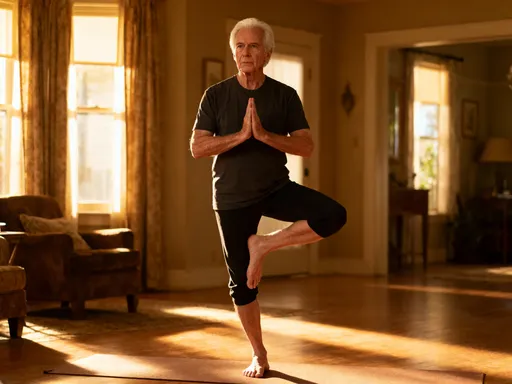
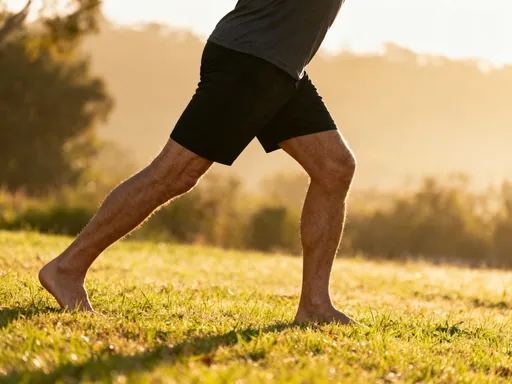
The single-leg stand is exactly what it sounds like: standing on one foot while holding onto a sturdy chair or countertop for support. I began with just 10 seconds on each leg, gradually increasing to 30 seconds as my stability improved. This exercise strengthens the muscles in the ankles, legs, and core, all of which play a role in maintaining upright posture. The heel-to-toe walk, often used in sobriety tests, is another powerful tool. Walking in a straight line with the heel of one foot touching the toe of the other challenges your ability to coordinate movement and stay centered. I practiced this along a hallway, using the wall for light support if needed.

Seated weight shifts are ideal for days when standing feels too challenging. Sitting in a firm chair, I would slowly shift my weight from side to side, then forward and back, focusing on controlled movements. This helps improve awareness of body position and strengthens the core muscles that support balance. What made these exercises sustainable was integrating them into daily habits. I did single-leg stands while brushing my teeth, walked heel-to-toe while waiting for the coffee to brew, and practiced seated shifts during commercial breaks while watching evening news. By attaching balance work to existing routines, I eliminated the need to “find” time.

Tracking progress was motivating. At first, I could barely hold a single-leg stand for 10 seconds without wobbling. After a few weeks, I noticed I could stand longer and with less sway. I also paid attention to real-life improvements: I felt more confident on stairs, more stable when turning quickly, and less hesitant when walking on carpet or tile. These small victories reinforced my commitment. Over time, I added variations like closing my eyes during single-leg stands (with support nearby) to challenge my vestibular system, or using a cushion to create an unstable surface. The key was to progress gradually and listen to my body.

Lifestyle Tweaks That Support Better Balance

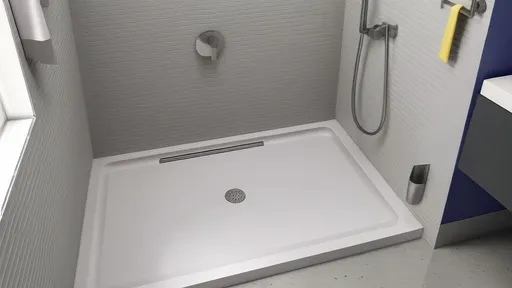
While exercises are essential, I quickly learned that balance is also influenced by everyday choices. One of the first changes I made was updating my footwear. I had been wearing soft, flexible slippers around the house, not realizing they offered little support. I switched to supportive shoes with non-slip soles, even indoors. This simple change immediately improved my sense of stability, especially on hardwood floors. I also removed loose rugs and clutter from high-traffic areas and added nightlights in hallways and bathrooms to improve visibility at night.

Strength and flexibility are closely linked to balance. Weak leg muscles, particularly in the calves and thighs, make it harder to recover from a stumble. I incorporated gentle strength training two to three times a week, focusing on exercises like seated leg lifts, wall push-ups, and resistance band work. These helped build muscle without straining my joints. Stretching, especially for the calves, hamstrings, and hips, also made a difference. Tight muscles can limit range of motion and affect posture, so I began a daily stretching routine that took less than ten minutes.

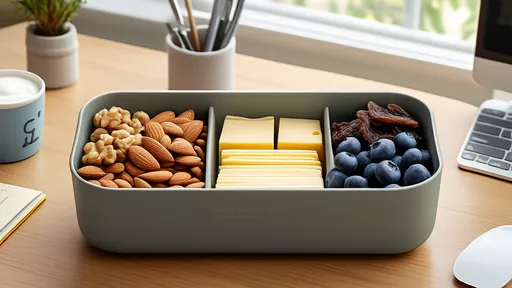
Nutrition and hydration, often overlooked, also play a role in balance. Dehydration can cause dizziness and reduce blood pressure, increasing fall risk. I made a habit of drinking water throughout the day and monitoring my intake, especially in warmer months. I also paid attention to my diet, ensuring I consumed enough protein to support muscle health and foods rich in B vitamins, which are important for nerve function. Magnesium and potassium, found in leafy greens, bananas, and nuts, help regulate muscle contractions and prevent cramps. While no single food can “fix” balance, a balanced diet supports the body systems that make it possible.

Another important factor was managing my chronic condition more effectively. I worked with my healthcare provider to optimize my diabetes management, keeping blood sugar levels within a healthy range to protect nerve health. I also reviewed my medications to ensure none were contributing to dizziness or fatigue. These adjustments, combined with physical changes, created a more supportive environment for maintaining stability. I realized that balance wasn’t just about what I did in five minutes of exercise—it was about how I lived every part of my day.

When to Seek Help—And Why It’s Smart

There was a time when I thought I could handle everything on my own. I believed that if I just tried harder, I could overcome any wobble or unsteadiness. But I eventually recognized that some signs should not be ignored. Frequent stumbling, even without falling, dizziness when standing up, or a growing fear of moving around the house are all red flags. These symptoms can indicate underlying issues that require professional evaluation. Ignoring them out of pride or fear only increases risk.

Seeking help was one of the best decisions I made. I consulted a physical therapist who specialized in balance and mobility. They conducted a thorough assessment, testing my strength, coordination, and fall risk. Based on their evaluation, they created a personalized exercise program tailored to my needs and limitations. They also taught me proper techniques to avoid injury and provided feedback on my form, which I couldn’t get from online videos alone. Working with a professional didn’t mean I was weak—it meant I was taking my health seriously.

Physical therapy is not just for recovery after injury. It’s a proactive tool for maintaining function and preventing decline. Many insurance plans cover preventive care, and some clinics offer programs specifically for older adults or those with chronic conditions. In addition to physical therapy, regular check-ups with a primary care provider are essential. Vision and hearing should be tested annually, as impairments in either can disrupt balance. Foot exams are especially important for people with diabetes, as they can detect early signs of nerve damage or foot ulcers.

Asking for help is not a sign of failure. It’s a sign of wisdom. It shows that you value your independence enough to protect it. Professional guidance complements home-based efforts, ensuring that exercises are safe, effective, and appropriate for your health status. It also provides accountability and encouragement, which can be crucial for long-term success. I continue to see my physical therapist for periodic check-ins, and I recommend that anyone concerned about balance do the same.

Building a Life That Stays Steady

Over time, I’ve come to see balance not as a goal, but as a practice—a daily commitment to listening to my body and making choices that support stability. The mindset shift was profound. Instead of viewing balance exercises as a chore, I began to see them as an act of self-care, a way of honoring my body and its needs. This change in perspective made it easier to stay consistent, even on days when motivation was low.

Consistency, not intensity, is the true key to lasting results. I no longer expect dramatic changes overnight. Instead, I focus on showing up, doing a little each day, and celebrating small improvements. Some days, that means five minutes of standing on one leg. Other days, it means wearing proper shoes or taking the stairs with more confidence. These small actions accumulate, building a foundation of strength and awareness that supports every aspect of life.

I’ve also learned the value of patience and self-compassion. There are days when my balance feels off, perhaps due to fatigue or changes in my health. On those days, I don’t push harder—I adjust. I might switch to seated exercises or take extra time to move safely. This flexibility has helped me sustain the routine long-term without frustration or injury. Balance is not about perfection. It’s about awareness, adaptation, and resilience.

For other women navigating the demands of family, work, and health, I offer this: start where you are. You don’t need a gym, a trainer, or hours of free time. Begin with one minute of single-leg standing. Notice how your body feels. Pay attention to your shoes, your lighting, your posture. These small acts of awareness are the first steps toward greater stability. Over time, they add up to something powerful—the confidence to move through life without fear, the freedom to live independently, and the peace of mind that comes from knowing you are doing your best to care for yourself.

Stability isn’t something you regain overnight—it’s something you build, day by day. My journey taught me that managing a long-term condition isn’t just about medication or diet; it’s about preserving the ability to move freely and safely. By focusing on balance, I didn’t just reduce my fall risk—I reclaimed confidence in my body. This isn’t a quick fix, but a lifelong commitment to staying upright, both physically and emotionally. And that’s a journey worth every small step.


Recommend Posts
Health

How I Stopped Letting Busy Life Kill My Health — And What Actually Worked

By Emma Thompson/Nov 29, 2025

This article explores how to maintain long-term health in a busy world by focusing on sustainable habits instead of willpower. It highlights the dangers of sedentary living, the science behind habit formation, and practical strategies like micro-movements, circadian-aligned workouts, functional fitness, and recovery. Backed by research, it offers real-life solutions for integrating movement into daily routines and creating an environment that naturally supports health.
Health

How I Finally Calmed My Mind: A Real Talk on Emotional Balance for Women

By Victoria Gonzalez/Nov 29, 2025

This article explores the emotional challenges women face due to mental load, hormonal fluctuations, and societal expectations, offering science-backed strategies for achieving emotional balance. It covers breathwork, journaling, boundary-setting, and routines as sustainable tools for mental wellness, emphasizing that emotional health is a lifelong, achievable practice.
Health

Glow Up After the Storm: My Skin’s Comeback Story

By Emma Thompson/Nov 29, 2025

A personal and insightful journey through skin recovery, exploring the emotional and physical challenges of healing a damaged skin barrier. This article emphasizes patience, gentle care, and lifestyle changes over quick fixes, offering a realistic roadmap for women seeking resilient, healthy skin after a crisis.
Health

Elderly Fall Prevention: Ground Surface Modification"

By /Jul 28, 2025

The growing concern over senior safety has brought increased attention to home modifications that can prevent dangerous falls. Among these interventions, floor surface adaptations have proven particularly effective in reducing accident rates. As populations age globally, understanding how to create slip-resistant environments becomes not just a matter of comfort but of life-saving necessity.
Health

From Flab to Fit: How I Turned My Fatty Liver Around with Real Lifestyle Shifts

By Amanda Phillips/Dec 30, 2025

Discover how simple, sustainable lifestyle changes reversed a fatty liver diagnosis—no extreme diets or magic pills. This personal journey highlights diet shifts, stress management, sleep improvements, and mindset changes that restored energy, digestion, and overall health, offering hope and practical steps for anyone facing NAFLD.
Health

Emergency Call Reminder Design

By /Jul 28, 2025

In the fast-paced world we live in, emergency situations can arise without warning. Having quick access to emergency contact numbers can mean the difference between life and death. This is where the humble yet crucial emergency contact memo sticker comes into play. These small but mighty tools serve as a lifeline in critical moments, ensuring that vital numbers are always within reach when every second counts.
Health

Gut Health Unlocked: How Probiotics Changed My Daily Wellness Routine

By Sophia Lewis/Nov 30, 2025

Discover how probiotics transformed one person's gut health and overall wellness, from reducing bloating and fatigue to improving immunity, mental clarity, and skin. This personal journey explores the science behind probiotics, strain selection, and long-term habits that support a balanced microbiome for lasting health benefits.
Health

How I Bounced Back Stronger: My Real Talk on Exercise for Recovery

By Emily Johnson/Nov 30, 2025

Discover how strategic, gentle exercise transformed a personal recovery journey, blending science and real-life experience to rebuild strength, confidence, and resilience after injury or inactivity.
Health

How I Reset My Body in Just Days—Simple Hacks for Modern Burnout

By Daniel Scott/Nov 30, 2025

Discover how simple, science-backed habits like breathwork, circadian rhythm alignment, and micro-movements can rapidly reverse modern burnout and restore energy, focus, and resilience without drastic lifestyle changes.
Health

How I Balanced My Qi with Simple Eating Habits—And Why It Changed Everything

By Natalie Campbell/Nov 29, 2025

Discover how aligning simple eating habits with traditional Chinese concepts of qi can transform energy, focus, and overall well-being. This personal journey explores the powerful connection between food, digestion, and internal energy flow, offering practical, sustainable steps to balance qi through warm, nourishing meals and gentle qigong practices—no extreme diets or rigid rules required.
Health

How I Beat Daily Burnout with Simple Moves That Actually Work

By Grace Cox/Nov 29, 2025

Discover how simple, science-backed movements can combat daily burnout and boost energy more effectively than extra sleep. This article reveals practical strategies like the 5-Minute Energy Reset, walking routines, light resistance exercises, and circadian rhythm alignment to naturally enhance alertness, focus, and overall vitality without intense workouts or drastic lifestyle changes.

Health

Why Your Body Actually Recovers When You Do Less

By Rebecca Stewart/Nov 30, 2025

This article explores the science behind physical and mental recovery, explaining how rest activates cellular repair, hormone balance, and nervous system restoration. It challenges the myth of constant productivity, highlighting the biological necessity of stillness for long-term health, and offers practical habits to support sustainable recovery without relying on technology.
Health

My 5-min morning routine for all-day energy

By Lily Simpson/Nov 17, 2025

You know that feeling when you wake up already exhausted? I used to hit snooze three times, stumble through my morning, and rely on coffee just to feel semi-human by 10 AM. Then I discovered something that completely transformed my energy levels: a five-minute morning ritual that sets me up for success every single day. It's not about complicated protocols or expensive supplements—just simple, science-backed habits that anyone can implement.
Health

How I Tamed My Emotions in Just Minutes—And Transformed My Days

By John Smith/Nov 29, 2025

Discover science-backed techniques to regulate emotions in minutes, improve mental clarity, and build lasting resilience through simple daily practices that transform emotional responses and enhance overall well-being.
Health

How I Found Balance: My Real Talk on Qigong for Body Tuning

By George Bailey/Nov 30, 2025

This personal journey explores how qigong transformed the author's health by restoring energy, reducing stress, and improving mind-body connection through gentle, consistent practice. It highlights real-life benefits over time, not quick fixes.
Health

The Social Plate: How Shared Meals Can Transform Your Health

By James Moore/Nov 30, 2025

This article explores how shared meals positively impact physical and mental health, revealing that eating with others improves digestion, dietary choices, and emotional well-being. Backed by scientific research, it highlights the hidden health benefits of social eating, from reduced obesity risk to lower stress levels, and offers practical strategies to reintegrate meaningful mealtime connections into modern, busy lives.
Health

How I Finally Made Exercise Stick — And Transformed My Daily Life

By David Anderson/Nov 29, 2025

Discover how small, consistent movements transformed a once-fragile fitness journey into a sustainable daily habit. This article explores the power of micro-habits, redefining exercise beyond the gym, and how letting go of perfection led to lasting energy, focus, and well-being.
Health

Glow From Within: How I Transformed My Skin Through Daily Habits

By Natalie Campbell/Nov 29, 2025

Discover how daily lifestyle habits like hydration, sleep, stress management, and nutrition can transform your skin from within. This article explores the science behind glowing skin, emphasizing that true radiance comes not from topical products alone, but from consistent, holistic health practices that support long-term skin wellness.
Health

Disinfection Standards for Children's Safety Seats

By /Jul 28, 2025

As parents, ensuring the safety and well-being of our children is always a top priority. One often overlooked aspect of child safety is the cleanliness and hygiene of car seats. While most parents diligently buckle their little ones into properly installed car seats, fewer consider the importance of regularly disinfecting these essential safety devices. The process of disinfecting a child's car seat requires careful attention to detail, as improper cleaning methods can damage the seat's structural integrity or leave behind harmful chemical residues.
Health

Pet Hair Allergy Control Plan

By /Jul 28, 2025

For millions of pet lovers around the world, the joy of having a furry companion is often overshadowed by the discomfort of pet hair allergies. These allergies can range from mild sneezing and itchy eyes to severe respiratory issues, making it difficult for sufferers to enjoy the company of their beloved pets. Understanding the root causes and implementing effective prevention strategies can make a significant difference in managing these allergic reactions.
Health

Calm Mind, Steady Numbers: How I Tamed My Blood Pressure Naturally

By Elizabeth Taylor/Nov 29, 2025

Discover how managing stress and achieving mental calm can naturally lower blood pressure. This personal journey reveals the powerful connection between emotional balance and heart health, offering practical daily habits that support long-term well-being without relying solely on medication.
Health

Piano Hand Injury Prevention Exercise

By /Jul 28, 2025

In today's technology-driven world, keyboard use has become an integral part of daily life for millions of people. From office workers to students, programmers to writers, our hands are constantly engaged in typing activities. This repetitive motion can lead to various musculoskeletal disorders if proper care isn't taken. Keyboard hand prevention exercises have emerged as a crucial practice for maintaining hand health and preventing long-term damage.
Health

How I Turned My Low-Energy Days Around — Real Changes That Actually Work

By Amanda Phillips/Nov 29, 2025

Discover how small, science-backed daily habits transformed chronic fatigue into sustained energy and mental clarity. This personal journey explores practical strategies for overcoming suboptimal health through hydration, natural light, movement, nutrition, and restorative sleep — no quick fixes, just real, lasting change.
Health

Pediatric Dosage Calculator

By /Jul 28, 2025

When it comes to administering medication to children, precision is not just important—it’s a matter of safety. Unlike adults, children’s bodies are still developing, which means their ability to metabolize drugs can vary significantly based on age, weight, and other physiological factors. A children’s dosage calculator is an essential tool for parents, caregivers, and healthcare professionals to ensure accurate dosing tailored to a child’s specific needs. Misjudging even a small amount can lead to underdosing, rendering the treatment ineffective, or overdosing, which may cause harmful side effects.
Health

Glow Up Without the Hype: How Real Skin Changes Happen

By Emma Thompson/Nov 30, 2025

True skin transformation isn't about trendy products but consistent, holistic habits. This article explores how hydration, sleep, stress management, and nutrition work together to create lasting radiance from within, revealing the science behind real skin health beyond the hype.
Health

The breathing hack that calms anxiety in minutes

By Noah Bell/Nov 17, 2025

You're sitting at your desk, heart pounding for no apparent reason. Your palms feel clammy, thoughts race in circles, and that familiar tightness wraps around your chest. Anxiety has arrived uninvited again. What if you could dial it down in minutes without medication or complicated techniques? There's a powerful tool you've been carrying with you all along—your breath.
Health

Food Safety Storage Temperature Chart

By /Jul 28, 2025

Food safety is a critical concern for households, restaurants, and food businesses alike. Proper storage temperatures play a pivotal role in preventing foodborne illnesses and ensuring that perishable items retain their quality. Understanding the correct temperature ranges for different food categories can mean the difference between safe consumption and potential health risks.
Health

How I Kept My Balance—And My Independence—Through the Years

By Joshua Howard/Nov 29, 2025

This personal health journey explores how maintaining balance through small, consistent habits can preserve independence, especially when managing chronic conditions like diabetes. It highlights practical exercises, lifestyle changes, and the importance of proactive care to improve stability and overall well-being over time.
Health

Why I'm obsessed with walking for mental health

By Michael Brown/Nov 17, 2025

I used to think therapy happened in an office with a comfortable couch and a box of tissues. Then I discovered a different kind of therapy, one that doesn’t cost a thing and is available 24/7. It’s called walking. My obsession began during a particularly rough patch. My mind was a tangled mess of deadlines, anxieties, and a constant, low-grade hum of stress. One afternoon, overwhelmed, I just put on my sneakers and left my apartment with no destination. An hour later, I returned feeling… clearer. Lighter. It wasn’t a miracle cure, but it was a start. That was the moment I realized I’d stumbled onto something profound.
Health

Calm Mind, Younger You: How Emotional Balance Keeps You Feeling Fresh

By Rebecca Stewart/Nov 29, 2025

Discover how emotional balance acts as a powerful anti-aging tool by reducing stress, improving sleep, and enhancing skin and immune health. This article explores the science behind emotions and aging, revealing practical mind-body practices that promote lasting vitality and a fresher, younger feel from within.
Health

Hair, Mind, and Me: How Mental Balance Transforms Your Hair Health

By David Anderson/Nov 29, 2025

Discover how mental balance and emotional wellness profoundly impact hair health, exploring the science behind stress-related hair loss and holistic strategies that nurture both mind and scalp for stronger, shinier hair from within.
Health

How I Fixed My Back Pain with This Simple Daily Routine

By Joshua Howard/Nov 29, 2025

Discover a simple, science-backed daily routine that transformed chronic back pain into lasting relief. This practical guide emphasizes gentle movement, core activation, and consistent habits to support spinal health and improve mobility—no equipment or intense workouts required.
Health

Mental Labor Energy Meal Pack

By /Jul 28, 2025

The modern workplace has evolved significantly, with an increasing number of professionals engaged in mentally demanding tasks. Brain workers, from software developers to financial analysts, often find themselves drained by midday, struggling to maintain focus and productivity. This phenomenon has given rise to a growing interest in specialized energy-boosting snacks tailored specifically for cognitive performance. Unlike traditional energy bars designed for physical endurance, these "brain fuel" packs aim to sustain mental clarity, enhance concentration, and prevent the dreaded afternoon crash.
Health

Time Flies, But Your Body Doesn’t Have To

By Natalie Campbell/Nov 29, 2025

Aging doesn't have to mean decline. This article explores how tracking key health metrics—like energy, recovery, and mental clarity—can help you age with vitality. Discover science-backed lifestyle changes that support long-term well-being and improve biological age, not just appearance.
Health

Dancing Into Focus: How I Tracked My Health and Felt the Change

By Olivia Reed/Nov 29, 2025

Discover how combining joyful dancing with simple health tracking transformed one person's physical and emotional well-being, revealing powerful insights about movement, mood, and self-awareness through real-time data and mindful connection.
Health

Sleep Smarter, Heal Faster: My Doctor-Backed Routine That Changed Everything

By Eric Ward/Nov 29, 2025

Discover how aligning your daily routine with your body's natural circadian rhythm can accelerate healing and improve recovery. Backed by medical research, this article reveals the science behind sleep's role in immune function, tissue repair, and brain health, offering practical, doctor-supported strategies to optimize rest and enhance overall well-being.
Health

How I Cut My Healthcare Costs Without Skipping Checkups

By Grace Cox/Nov 30, 2025

Discover how strategic planning and smart use of insurance benefits can significantly reduce healthcare costs without skipping essential checkups. This article shares real-life tips on avoiding hidden fees, optimizing timing for preventive services, choosing the right insurance plan, leveraging telehealth, and using generics to save hundreds annually while staying healthy.
Health

Procedure for Disposing of Expired Medications in a Home Medicine Cabinet

By /Jul 28, 2025

In households around the world, medicine cabinets serve as a first line of defense against minor ailments. From pain relievers to allergy medications, these small collections of pharmaceuticals provide quick relief when needed. However, what many families fail to recognize is that these helpful remedies come with an expiration date – both literally and figuratively. The proper disposal of expired medications isn't just about clearing shelf space; it's a critical component of household safety and environmental protection that demands our attention.
Health

How I Made Mediterranean Eating Actually Simple – And Why It Changed Everything

By George Bailey/Nov 30, 2025

Discover how simplifying the Mediterranean diet led to lasting health changes, increased energy, and a better relationship with food. This real-life approach focuses on small, sustainable swaps rather than perfection, making healthy eating enjoyable and achievable for busy women.
Health

Why My Stomach Finally Calmed Down — The Sleep Routine That Changed Everything

By Elizabeth Taylor/Nov 29, 2025

Discover how aligning your sleep schedule with your body's natural rhythm can transform your gut health, reduce bloating, and improve digestion—even without changing your diet. This article explores the science behind the gut-sleep connection and offers a practical 7-day plan to reset your internal clock for lasting digestive wellness.
Health

Why Hiking Changed My Health Mindset Forever

By David Anderson/Nov 29, 2025

Hiking transformed the author's health mindset by shifting focus from appearance and metrics to presence, self-compassion, and connection with nature. This personal journey reveals how mindful movement in natural environments fosters physical, mental, and emotional well-being in sustainable and profound ways.
Health

Why I Swear by Tai Chi for Everyday Calm and Strength

By Emma Thompson/Nov 29, 2025

Discover how Tai Chi transformed one person's approach to health, offering calm, strength, and resilience through slow, intentional movement. This personal journey explores its real benefits for stress, sleep, balance, and mental clarity, debunking myths and showing how it fits into modern life.
Health

What Changed My Sleep Forever – A Real Journey to Better Rest

By Rebecca Stewart/Nov 29, 2025

This personal journey explores the transformative power of rethinking sleep, not as a problem to fix but as a vital part of health. It reveals the hidden impacts of poor sleep, debunks common myths, and offers practical, science-backed strategies for building sustainable sleep habits and improving overall well-being.
Health

How I Learned to Glow from Within: My Skincare Health Journey

By John Smith/Dec 31, 2025

This personal journey explores how inner health profoundly impacts skin wellness, emphasizing hydration, sleep, diet, and stress management. The author shares insights on tracking bodily signals, debunking skincare myths, and embracing a holistic, compassionate approach to achieve lasting radiance from within.
Health

How I Finally Learned to Recover Right—And Why It Changed Everything

By Noah Bell/Nov 29, 2025

This article shares a personal journey of overcoming burnout by redefining recovery as an active, intentional practice. It explores the science behind true recovery, identifies common barriers, and introduces a practical four-pillar framework that enhances resilience through movement, nutrition, sleep, and mental well-being.
Health

How Massage Therapy Quietly Transforms Recovery – A Clinician’s Insight

By Eric Ward/Nov 29, 2025

This article explores the clinical role of massage therapy in rehabilitation, highlighting its physiological benefits, scientific backing, and integration into recovery plans. It explains how targeted techniques reduce pain, improve mobility, and support healing, offering insights for clinicians and patients alike.
Health

Air Conditioning Cleaning Cycle Calculation Formula

By /Jul 28, 2025

Maintaining a clean air conditioning system isn’t just about comfort—it’s a matter of efficiency, cost savings, and even health. Many homeowners and facility managers overlook the importance of regular cleaning, often waiting until performance drops or odors emerge. However, there’s a method to determining the optimal cleaning frequency, and it hinges on a combination of factors that go beyond guesswork.
Health

This $20 supplement actually fixed my gut issues

By Sophia Lewis/Nov 17, 2025

I’ll be honest: I was skeptical. After years of bloating, unpredictable stomach cramps, and that sluggish feeling after meals, I’d tried everything—probiotics, elimination diets, even cutting out gluten entirely. Nothing seemed to stick. Then, a friend mentioned a simple $20 supplement that changed her gut health almost overnight.
Health

Ergonomic Adjustments Guide for Workstations

By /Jul 28, 2025

In today's modern workplaces, where many of us spend the majority of our waking hours seated at desks, the importance of ergonomic workstation adjustments cannot be overstated. The way we position our chairs, monitors, keyboards, and other equipment has a profound impact on our physical health, productivity, and overall well-being. Yet, far too many employees settle into poorly configured workstations without realizing the long-term consequences.
Health

How I Calmed My Blood Pressure and Reclaimed My Energy – A Real Journey

By Grace Cox/Nov 29, 2025

A personal journey of overcoming high blood pressure through sustainable lifestyle changes, focusing on diet, movement, stress management, and sleep to regain energy and long-term vitality without relying on quick fixes.
Health

Gold Standard for Bathroom Anti-Slip Measures

By /Jul 28, 2025

The bathroom, often considered a sanctuary for relaxation, paradoxically presents one of the highest slip-and-fall risks in any household. Every year, thousands of accidents occur in this seemingly harmless space, leading to injuries ranging from minor bruises to severe fractures. Understanding and implementing the gold standard for bathroom slip prevention isn’t just about adding a rubber mat—it’s a comprehensive approach that blends material science, ergonomic design, and behavioral awareness.
Health

How I Took Control of My Health Before It Was Too Late

By Natalie Campbell/Nov 29, 2025

After a prediabetes diagnosis, the author shifted focus from weight as a cosmetic issue to a critical health marker. Through sustainable lifestyle changes like mindful eating, regular movement, and mindset shifts, they reversed prediabetes and reduced chronic disease risk, proving that small, consistent choices can lead to lasting health improvements.
Health

Sleep Without the Crash: What I Stopped Eating to Finally Rest Well

By Amanda Phillips/Nov 29, 2025

Discover how certain foods can disrupt sleep quality and what to eat instead for deeper, more restful nights. This article explores the science behind diet and sleep, offering practical tips to break the cycle of late-night snacking and improve overall well-being through better food choices.
Health

Breathe Into the Moment: How Slowing Down Transformed My Mind

By William Miller/Nov 29, 2025

This article explores how slowing down through meditation can transform mental clarity and emotional well-being in a fast-paced world. It delves into the science of mindfulness, the benefits of stillness, and practical ways to integrate meditation into daily life, especially for women juggling multiple responsibilities. By focusing on breath and presence, the author reveals how meditation is not an escape but a powerful return to self.
Health

How I Smartly Managed My Vision Correction Costs Without Sacrificing Quality

By Joshua Howard/Nov 29, 2025

This article shares practical strategies for reducing vision correction costs without compromising care quality, covering eye exams, glasses, contacts, insurance pitfalls, and preventive habits to protect both eyesight and finances over time.
Health

Morning Smoothie Hack That Boosts My Energy All Day ✨

By Thomas Roberts/Nov 12, 2025

You know that feeling when your alarm goes off and you're already mentally exhausted before the day even begins? I used to drag myself through mornings, relying on multiple coffees just to function until noon. My energy crashes were so predictable my coworkers could set their watches by my 11 AM slump. Then I discovered something that completely transformed my mornings—and it wasn't another supplement or complicated routine.

Health

Balancing Diet for Emotional Health

By /Jul 28, 2025

When sadness strikes, our bodies undergo subtle yet significant physiological changes that often go unnoticed. The connection between emotional distress and physical well-being runs deeper than most people realize, with nutritional needs shifting during periods of emotional turmoil. What we choose to eat during these vulnerable moments can either exacerbate our melancholy or help restore balance to both mind and body.
Health

Strategies for Alleviating Eye Strain During Video Conferences"

By /Jul 28, 2025

The rise of video conferencing as a primary mode of communication has brought with it an unexpected challenge: digital eye strain. As millions of professionals spend hours each day staring at screens during virtual meetings, reports of eye fatigue, dryness, and discomfort have skyrocketed. This phenomenon, sometimes called "Zoom fatigue," goes beyond simple tiredness - it represents a growing occupational health concern that demands thoughtful solutions.
Health

How I Built Muscle Without Burning Out — Simple Recovery Rules That Actually Work

By William Miller/Nov 29, 2025

Discover how prioritizing recovery—through sleep, nutrition, active rest, and listening to your body—can lead to sustainable muscle growth without burnout. This article shares practical, science-backed strategies for building strength safely and effectively over time.
Health

Youth on Repeat: How My Movement Routine Keeps Time at Bay

By Elizabeth Taylor/Nov 29, 2025

Discover how a consistent movement routine can combat the effects of aging by improving strength, mobility, and vitality. This article explores science-backed strategies to maintain biological youth, emphasizing daily motion over intense exercise for long-term health and energy.
Health

Template for Family Health Records

By /Jul 28, 2025

The concept of a family health record has gained significant traction in recent years as households seek more organized ways to manage their medical information. Unlike individual health records, which focus solely on one person, a family health archive serves as a centralized repository for tracking the medical history, vaccinations, allergies, and ongoing treatments of all family members. This holistic approach not only simplifies healthcare management but also ensures that critical information is readily available during emergencies or routine doctor visits.
Health

How I Fixed My Smile Without Surgery — Real Talk on Healing Teeth the Natural Way

By Olivia Reed/Nov 30, 2025

Discover how one person transformed their oral health naturally without surgery, using science-backed daily habits, dietary changes, and a healing-focused mindset that reversed gum disease and sensitivity over 18 months.