Gold Standard for Bathroom Anti-Slip Measures
The bathroom, often considered a sanctuary for relaxation, paradoxically presents one of the highest slip-and-fall risks in any household. Every year, thousands of accidents occur in this seemingly harmless space, leading to injuries ranging from minor bruises to severe fractures. Understanding and implementing the gold standard for bathroom slip prevention isn’t just about adding a rubber mat—it’s a comprehensive approach that blends material science, ergonomic design, and behavioral awareness.
The Hidden Dangers of Wet Surfaces
Water and smooth surfaces are a recipe for disaster, especially when combined with the hurried steps of someone rushing to answer the phone or the groggy movements of a half-awake individual at dawn. Traditional ceramic tiles, while aesthetically pleasing, become treacherously slick when wet. Even textured tiles can lose their effectiveness over time as soap scum and mineral deposits fill in the microscopic grooves meant to provide traction. The gold standard demands more than superficial solutions; it requires an ingrained approach to surface selection and maintenance.
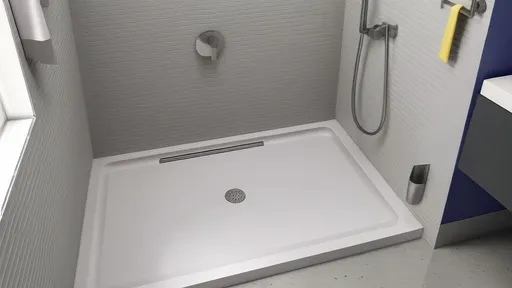
Modern innovations have introduced materials like porcelain tiles with aluminum oxide coatings or epoxy-based flooring that retains grip even when submerged. These aren’t your grandmother’s bathroom floors—they’re engineered to counteract hydroplaning at a molecular level. Yet, material alone isn’t enough. The slope of the floor, often overlooked during construction, plays a critical role in preventing water accumulation. A gradient of just 2% toward the drain can mean the difference between a dry foot and a broken hip.
Beyond the Floor: The Overlooked Perils of Vertical Surfaces
While most attention focuses on what’s beneath our feet, walls and shower enclosures present their own hazards. Glass shower doors, when improperly installed or made of non-tempered glass, can shatter upon impact—turning a simple slip into a scene from a horror movie. The gold standard mandates laminated or tempered glass with a minimum thickness of 8mm, capable of withstanding the force of a falling body without disintegration.
Grab bars, often associated with clinical environments, have undergone a design revolution. No longer just stainless steel eyesores, they now appear as elegant floating shelves or integrated towel racks. Their placement, however, remains a science. Proper installation into wall studs rather than drywall anchors can support over 250 pounds of sudden downward force—a crucial factor when someone’s full weight unexpectedly hangs from them.
The Psychology of Prevention
Human behavior constitutes the most unpredictable element in bathroom safety. The gold standard acknowledges that even the most meticulously designed space can’t prevent accidents if users don’t engage with safety features. This is where subtle design psychology comes into play. Contrasting colors between floors and walls improve depth perception for those with diminishing eyesight. Motion-activated lighting eliminates fumbling for switches with wet hands. Even the sound of water hitting different surfaces can subconsciously alert users to potential overflow before it becomes hazardous.
Children and elderly present unique challenges. For toddlers, the danger lies in their fascination with water and lack of fear. Incorporating temperature-regulated faucets prevents scalding, while magnetic locking mechanisms on medicine cabinets thwart curious explorers. For seniors, the gradual loss of muscle mass and balance requires proactive measures—not as an afterthought following an accident, but as a preventative strategy. This might include strategically placed seating that doesn’t resemble "old people’s furniture" but rather blends seamlessly with modern aesthetics.
The Maintenance Paradox
Here’s where many well-intentioned safety measures fail: maintenance. That expensive anti-slip treatment applied during renovation loses effectiveness when cleaning staff use wax-based products that create an invisible slick layer. The gold standard includes training for everyone who maintains the space—from professional janitors to teenage bathroom cleaners—on which products preserve rather than compromise safety features.
Drainage represents another often-neglected aspect. Hair and soap accumulation don’t just cause clogs; they create standing water where none should exist. Smart drainage systems with removable, cleanable filters address this issue proactively. Some high-end systems even incorporate sensors that alert when flow rates decrease, indicating potential blockages before they become problematic.
The Future of Bathroom Safety
Emerging technologies promise to revolutionize slip prevention. Hydrophobic coatings that cause water to bead and roll off surfaces are entering consumer markets. Pressure-sensitive floors that detect abnormal movement patterns could one day alert caregivers before a fall occurs. Even augmented reality might play a role, with smart mirrors displaying real-time safety reminders based on observed behavior patterns.
Ultimately, the gold standard isn’t a static set of rules but an evolving philosophy that acknowledges both human vulnerability and ingenuity. It’s about creating spaces that protect without patronizing, that consider both the physics of friction and the dignity of those using the space. When executed properly, these measures become invisible—not because they’re absent, but because they’re so seamlessly integrated into our daily rituals that danger never gets a chance to surface.