The breathing hack that calms anxiety in minutes
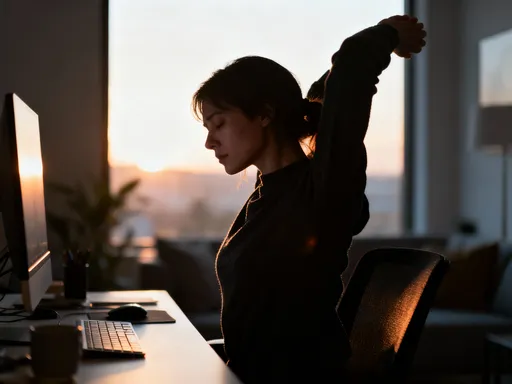
You're sitting at your desk, heart pounding for no apparent reason. Your palms feel clammy, thoughts race in circles, and that familiar tightness wraps around your chest. Anxiety has arrived uninvited again. What if you could dial it down in minutes without medication or complicated techniques? There's a powerful tool you've been carrying with you all along—your breath.
Most of us breathe all wrong when anxiety strikes. We take shallow, rapid chest breaths that actually trigger our fight-or-flight response. The physiological sigh is different. It's a natural pattern your body already uses during sleep to reset your respiratory system. Researchers at Stanford discovered that consciously practicing this pattern can rapidly reduce stress and bring calm.
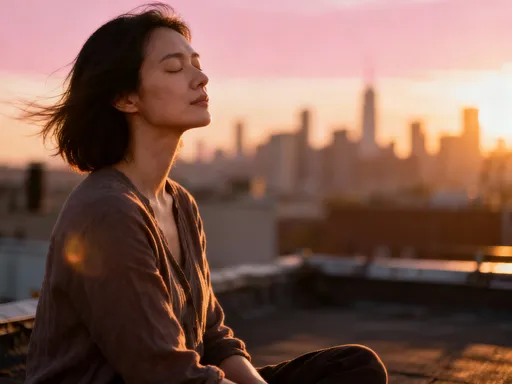
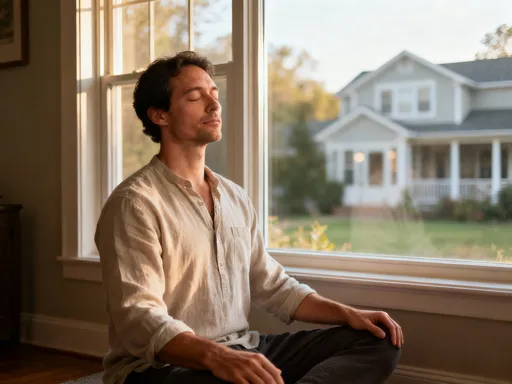
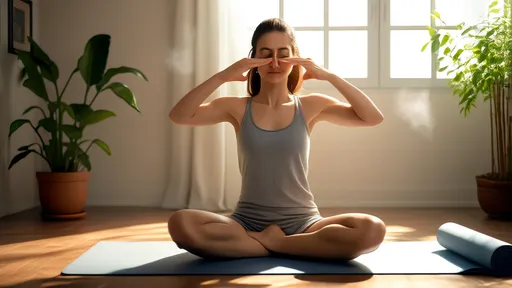
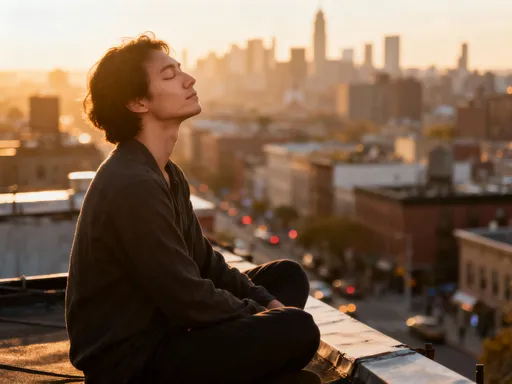
Here's exactly how to do it: Inhale slowly through your nose until your lungs feel comfortably full. Without exhaling, take one more quick sip of air to fully expand your lungs. Then exhale slowly through your mouth, making the exhale significantly longer than your inhales. Aim for about a 1:2 ratio—if you inhale for 3 seconds, exhale for 6. The extended exhale is what activates your parasympathetic nervous system, telling your body the danger has passed.
Many people make the mistake of forcing the breath or hyperfocusing on perfection. The magic happens when you approach it gently. One of my therapy clients, Sarah, struggled with panic attacks during work meetings. She started practicing two physiological sighs before each meeting, and within days noticed her anxiety levels dropped from overwhelming to manageable. "It felt like hitting a reset button for my nervous system," she told me.
Why does this work so well? The double inhalation fully inflates tiny air sacs in your lungs called alveoli, which improves oxygen exchange. The prolonged exhalation stimulates the vagus nerve, slowing your heart rate and lowering blood pressure. Unlike meditation apps or counting techniques that can sometimes feel like work, this hack aligns with your body's natural calming mechanisms.
You can practice this anywhere—at your desk, in your car, even during difficult conversations. I've taught this technique to hundreds of clients, and the most successful implementations happen when people attach it to existing habits. Try doing two physiological sighs after brushing your teeth, before checking emails, or while waiting for your coffee to brew. Consistency beats duration every time.
The beautiful thing about breath work is its accessibility. While anti-anxiety medications can take weeks to show effect and therapy requires appointments, your breath is available 24/7 at no cost. This isn't to replace professional treatment for clinical anxiety, but rather to give you an immediate tool for those moments when anxiety threatens to take over.
Next time you feel that familiar tension building, remember you hold the off-switch. Your breath isn't just keeping you alive—it's your built-in anxiety regulator waiting to be used. Take two minutes right now to try it. Your calm nervous system will thank you.