Mental Labor Energy Meal Pack
The modern workplace has evolved significantly, with an increasing number of professionals engaged in mentally demanding tasks. Brain workers, from software developers to financial analysts, often find themselves drained by midday, struggling to maintain focus and productivity. This phenomenon has given rise to a growing interest in specialized energy-boosting snacks tailored specifically for cognitive performance. Unlike traditional energy bars designed for physical endurance, these "brain fuel" packs aim to sustain mental clarity, enhance concentration, and prevent the dreaded afternoon crash.
The Science Behind Cognitive Nutrition
Nutritionists and neuroscientists have long studied the connection between dietary habits and brain function. The brain, despite accounting for only about 2% of body weight, consumes approximately 20% of the body's energy. This high metabolic demand means that the quality of fuel we provide our brains directly impacts cognitive performance. Complex carbohydrates, healthy fats, and specific micronutrients play crucial roles in neurotransmitter production, neural communication, and overall mental stamina.
Research indicates that certain nutrients have profound effects on cognitive abilities. Omega-3 fatty acids, found abundantly in nuts and seeds, contribute to neuronal membrane fluidity. Antioxidants from dark berries help combat oxidative stress in brain tissues. Meanwhile, compounds like choline—present in eggs and certain legumes—serve as precursors for acetylcholine, a neurotransmitter vital for memory and learning. Understanding these biochemical relationships has allowed nutrition experts to formulate snack combinations that deliver targeted cognitive benefits.
Designing the Ideal Mental Performance Snack
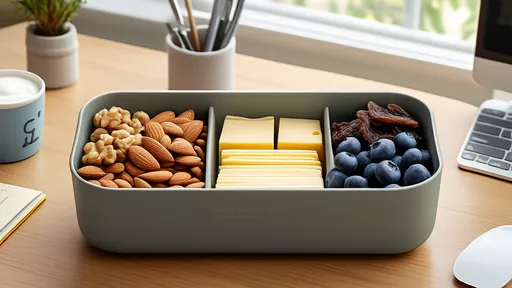
Creating effective energy packs for brain workers requires careful consideration of several factors. First, the glycemic index of ingredients matters tremendously. Foods that cause rapid spikes in blood sugar may provide temporary alertness but often lead to subsequent crashes. Instead, snacks combining slow-release carbohydrates with proteins and healthy fats offer sustained energy. Almonds paired with dried blueberries, for instance, provide this balanced macronutrient profile while delivering essential vitamins and antioxidants.
Texture and convenience also play pivotal roles in these products' design. Brain workers frequently snack while typing or during meetings, making mess-free, easy-to-handle formats essential. Individual portions that don't require refrigeration yet maintain freshness present another challenge for manufacturers. Some innovative solutions include vacuum-sealed nut butter packets with mix-in seeds or compressed fruit and nut bars with added adaptogens like ashwagandha for stress reduction.
The Market Response to Cognitive Snacking Solutions
Food manufacturers have noticed this emerging niche and responded with an array of products marketed specifically to professionals seeking mental edge. Supermarket shelves now feature snack packs labeled with claims like "supports focus" or "enhances cognitive function." However, nutrition experts caution consumers to scrutinize ingredients lists, as some products capitalize on the trend without delivering scientifically validated formulations.
Interestingly, the demand appears strongest among tech companies and creative agencies, where employers frequently provide these snacks as part of workplace wellness initiatives. Some forward-thinking organizations have even partnered with nutritionists to create custom blends tailored to their teams' specific needs and preferences. This corporate adoption has helped drive innovation in the sector, leading to more sophisticated formulations and delivery methods.
Cultural Shifts in Workplace Eating Habits
The rise of brain-boosting snacks reflects broader changes in how professionals approach nutrition during work hours. The traditional three-meal-a-day model proves inadequate for many knowledge workers, whose cognitive demands fluctuate throughout the day. Instead, many have adopted a "grazing" approach—consuming smaller, nutrient-dense portions at regular intervals to maintain steady mental energy.
This shift has also influenced workplace culture around eating. Where once snacking at one's desk might have been frowned upon, many modern offices now encourage mindful eating as part of productivity strategies. Some companies have replaced candy-filled vending machines with curated selections of nuts, seeds, and dried fruits. Others provide "recharge stations" where employees can find these specialized snacks alongside brief meditation guides or stretching prompts.
Future Directions in Cognitive Nutrition
As research continues to uncover connections between diet and brain function, we can expect further refinement of these products. Emerging areas of interest include the gut-brain axis and how probiotics might influence cognitive performance through microbiome health. Personalized nutrition, enabled by advances in biometric tracking and AI, may lead to snack formulations tailored to individuals' unique metabolic responses and cognitive patterns.
The workplace energy snack market shows no signs of slowing, with projections suggesting continued growth as more professionals recognize the connection between nutrition and performance. However, experts emphasize that these snacks work best as part of comprehensive approach that includes proper hydration, regular movement, and adequate sleep—reminding us that even the most carefully formulated snack can't compensate for fundamental health practices.