Food Safety Storage Temperature Chart
Food safety is a critical concern for households, restaurants, and food businesses alike. Proper storage temperatures play a pivotal role in preventing foodborne illnesses and ensuring that perishable items retain their quality. Understanding the correct temperature ranges for different food categories can mean the difference between safe consumption and potential health risks.
The importance of refrigeration cannot be overstated when it comes to preserving food. Most perishable items, such as dairy products, raw meats, and cooked leftovers, require storage at or below 40°F (4°C) to slow bacterial growth. Freezing, on the other hand, halts bacterial activity entirely but must be done at 0°F (-18°C) or lower to maintain food safety and texture. However, not all foods benefit from cold storage—some fruits and vegetables can suffer from chilling injuries if stored at incorrect temperatures.
Dry storage presents its own set of challenges. Staples like grains, flour, and canned goods thrive in cool, dry environments around 50-70°F (10-21°C). Humidity control becomes equally important in these conditions, as moisture can lead to mold growth and spoilage. Proper ventilation and airtight containers often make the difference in preserving shelf-stable foods beyond their expiration dates.
Commercial kitchens face amplified risks due to the volume of food handled daily. Walk-in refrigerators must maintain consistent temperatures, while buffet lines require heated holding equipment to keep foods above 140°F (60°C). Temperature danger zones between 40-140°F (4-60°C) become particularly hazardous in these settings, as bacteria multiply rapidly within this range. Regular monitoring with calibrated thermometers becomes non-negotiable in professional environments.
Emerging technologies have revolutionized temperature monitoring in recent years. Smart sensors now provide real-time alerts when storage units deviate from safe ranges, while blockchain-enabled systems track temperature histories throughout supply chains. These advancements prove particularly valuable for high-risk items like seafood and raw sprouts, where temperature fluctuations can have severe consequences.
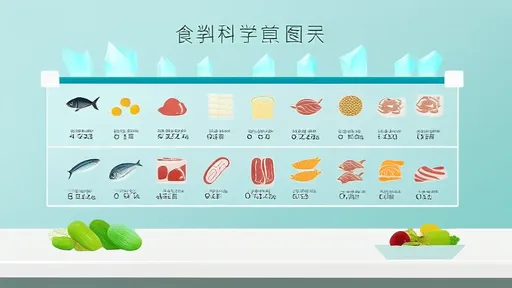
Consumer education remains surprisingly lacking regarding proper freezer management. While freezing preserves safety indefinitely, quality deterioration occurs over time. Different foods have varying optimal freezer lifespans—fish generally lasts 3-6 months, whereas frozen vegetables maintain quality for 8-12 months. Vacuum sealing and proper packaging techniques can significantly extend these timeframes while preventing freezer burn.
Seasonal considerations often get overlooked in food storage discussions. Summer months demand increased vigilance as ambient temperatures rise, potentially compromising refrigeration efficiency. Conversely, winter holidays see more food left at room temperature during gatherings, sometimes lingering in the danger zone for hours. Adapting storage practices to environmental conditions prevents many avoidable food safety incidents.
The relationship between temperature and food chemistry warrants deeper understanding. Enzymatic activity continues even in refrigerated conditions, albeit at slower rates. This explains why some produce items develop off-flavors or textures when stored too cold. The science behind controlled atmosphere storage reveals how adjusting oxygen and carbon dioxide levels alongside temperature can dramatically extend shelf life for certain products.
International standards vary considerably regarding food storage guidelines, creating confusion for global food businesses. While the USDA recommends specific temperatures, European agencies sometimes suggest slightly different ranges. These discrepancies often stem from varying risk assessment models rather than scientific disagreement, highlighting the need for harmonized global food safety protocols.
Home refrigerators frequently operate at incorrect temperatures due to overfilling, poor airflow, or failing components. Studies show that a significant percentage of household units run above 40°F (4°C), unknowingly putting families at risk. Simple habits like periodic thermometer checks and avoiding door overloading can dramatically improve home food safety with minimal effort.
Transportation represents the weakest link in many food storage chains. Even with proper warehouse refrigeration, the journey to markets or restaurants often involves temperature abuse. Insulated packaging and refrigerated trucks help, but last-mile delivery frequently breaks the cold chain. Emerging solutions like phase-change materials show promise in addressing these logistical challenges.
Cultural food preservation methods sometimes conflict with modern temperature guidelines. Traditional fermentation processes or room-temperature aging techniques for certain cheeses and meats developed before refrigeration existed. While these methods have historical validity, adapting them to contemporary food safety standards requires careful balance between tradition and scientific best practices.
Ultimately, effective food storage transcends mere temperature numbers. It involves understanding the interplay between humidity, packaging, air circulation, and product-specific requirements. As food science advances and climate change alters storage conditions globally, maintaining food safety will require ongoing education, technological innovation, and adaptability from producers and consumers alike.