Elderly Fall Prevention: Ground Surface Modification"
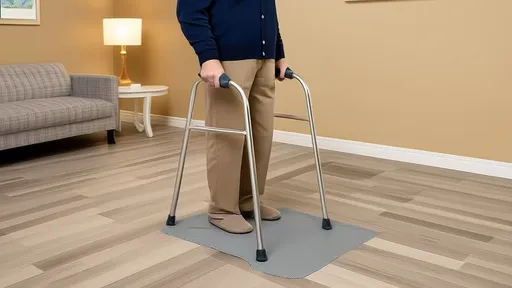
The growing concern over senior safety has brought increased attention to home modifications that can prevent dangerous falls. Among these interventions, floor surface adaptations have proven particularly effective in reducing accident rates. As populations age globally, understanding how to create slip-resistant environments becomes not just a matter of comfort but of life-saving necessity.
Research indicates that nearly one-third of adults aged 65 and older experience at least one fall annually, with flooring being a contributing factor in approximately half of these incidents. The physics behind this phenomenon reveals that traditional smooth surfaces become hazardous when combined with factors like reduced mobility, medication side effects, or poor lighting. This realization has spurred innovation in both materials science and interior design specifically tailored for aging populations.
The Science Behind Slip-Resistance
Engineers studying tribology - the science of interacting surfaces in motion - have identified several key characteristics of fall-preventive flooring. Static friction coefficient, the measurement of resistance between two stationary surfaces, should measure at least 0.5 for safe senior mobility. Dynamic friction coefficient, which measures surfaces already in motion relative to each other, requires even higher values to prevent slips once movement begins.
Materials testing laboratories now employ sophisticated machines that simulate various conditions - wet, dry, dusty, or oily - to evaluate flooring performance. What emerges from these tests is clear: traditional polished marble or glossy tiles that might look elegant in showrooms become potential hazards in senior living environments. The ideal surface maintains consistent friction properties across different environmental conditions while remaining comfortable for walking and easy to maintain.
Material Innovations Transforming Senior Safety
Recent advancements in polymer technology have yielded remarkable solutions. Rubber flooring, once limited to gyms and industrial settings, now comes in residential-friendly designs that absorb impact while providing excellent traction. These materials often incorporate microscopic surface textures that increase friction without creating tripping hazards. Some premium variants even include antimicrobial properties to address hygiene concerns.
Cork has emerged as another excellent option, offering natural cushioning that reduces injury severity when falls do occur. Modern processing techniques allow cork floors to achieve durability comparable to hardwood while maintaining their shock-absorbent qualities. Manufacturers have also developed hybrid materials combining cork's benefits with reinforced surface layers for high-traffic areas.
Installation Considerations for Optimal Protection
Proper installation proves just as critical as material selection. The transition zones between different flooring types require particular attention, as these account for a disproportionate number of trips. Professional installers now use tapered transition strips that create gradual inclines rather than abrupt edges. Subfloor preparation has also gained recognition as a vital factor - an uneven base can undermine even the best surface materials.
Lighting plays a subtle but important role in floor safety. As human depth perception changes with age, shadows cast by textured surfaces can either enhance or impair stability. Designers recommend testing floor samples under various lighting conditions before full installation. The interplay between surface texture and illumination significantly affects how seniors perceive and navigate their environment.
Cost-Benefit Analysis of Preventative Flooring
While premium fall-prevention flooring carries higher upfront costs than conventional options, the long-term financial calculus strongly favors investment in quality materials. Medical economists have calculated that the average hip fracture costs healthcare systems approximately $40,000 in immediate treatment, with additional expenses for rehabilitation and potential long-term care. When compared against the $2,000-$5,000 typical for whole-home flooring replacement, the prevention math becomes compelling.
Insurance providers in several countries now offer discounts for homes with certified fall-prevention modifications, recognizing both the human and financial benefits. Some forward-thinking retirement communities have begun advertising their safety-enhanced flooring as premium amenities, finding that prospective residents and their families place high value on these features.
Cultural Shifts in Home Design Priorities
The movement toward senior-safe flooring reflects broader changes in how societies view aging in place. Where previous generations might have viewed safety modifications as clinical or institutional, contemporary design integrates these features seamlessly into attractive living spaces. Leading interior designers now create portfolios specifically focused on elegant yet safe environments for older adults.
This shift accompanies changing consumer expectations. Baby boomers, unlike their parents, demonstrate greater willingness to invest in home modifications that extend independent living. The stigma around "old age" products has diminished significantly, replaced by a wellness-oriented perspective that views safety adaptations as proactive health measures rather than concessions to decline.
As research continues to refine our understanding of fall prevention, flooring remains at the forefront of senior safety innovation. The intersection of materials science, biomechanics, and design aesthetics creates exciting possibilities for environments that protect without patronizing. For families considering modifications, consulting with certified aging-in-place specialists can help navigate the array of options to find solutions matching both safety needs and personal style preferences.