How I Stopped Letting Busy Life Kill My Health — And What Actually Worked

Nov 29, 2025 By Emma Thompson

We all know exercise matters, but how many of us actually stick with it? I used to skip workouts, blaming stress, time, or motivation. Then I realized: health isn’t about willpower — it’s about smart habits. After testing real, science-backed methods for over a year, I saw real changes — more energy, better sleep, less fatigue. This isn’t a quick fix. It’s about building a lifestyle that lasts. Here’s what truly helped me stay consistent, backed by research and real-life trial.

The Hidden Cost of Skipping Movement

Sedentary living is one of the most overlooked health threats of modern life. While many believe being busy equates to being active, the reality is quite different. Sitting for prolonged periods — even if you exercise later — can disrupt metabolic function and increase the risk of chronic conditions such as type 2 diabetes, cardiovascular disease, and certain cancers. According to research published in the Journal of the American Heart Association, adults who sit for more than eight hours a day with little physical activity face a risk of early mortality comparable to that of smoking or obesity.

The danger lies in what scientists call "metabolic idling." When the body remains inactive, enzymes that regulate fat and sugar metabolism slow down significantly. For example, lipoprotein lipase, which helps break down fats in the bloodstream, can drop by as much as 90% after just a few hours of sitting. This means glucose builds up in the blood, fat accumulates, and circulation weakens — all silently, without noticeable symptoms. Many people assume that a 30-minute gym session cancels out a full day at a desk, but studies show this isn’t entirely true. The body needs consistent movement throughout the day to maintain metabolic health.

Another common misconception is that only overweight or older individuals need to worry about inactivity. However, even people who appear fit and active can fall into sedentary traps. A nurse who walks all day at work might still be at risk if she spends her off-hours on the couch. Similarly, a teacher who is constantly on her feet during school hours may not engage in structured movement that strengthens the heart or builds muscle. Physical activity must be intentional and varied to deliver long-term benefits. Recognizing this gap between perception and reality is the first step toward lasting change.

The key insight is this: health is not just about what you do during workouts — it’s about what you do the other 23 hours of the day. Simply standing up, stretching, or walking for a few minutes every hour can reset metabolic processes and improve circulation. These small actions may seem insignificant, but over time, they create a powerful protective effect. The body thrives on motion, not marathon sessions. Understanding this principle shifts the focus from intense performance to daily consistency — a shift that makes sustainable health possible.

Why Most Exercise Routines Fail (And What Science Says)

Despite good intentions, the majority of people abandon their fitness routines within the first few months. Behavioral studies suggest that up to 80% of New Year’s resolutions related to exercise fail by February. The reasons are often framed as personal shortcomings — lack of discipline, poor motivation, or weak willpower. But science tells a different story. Human behavior is shaped far more by environment and routine than by raw determination. Relying solely on motivation is like expecting a car to run without fuel; eventually, it will stall.

One major reason routines fail is the mismatch between goals and lifestyle. Many people start with ambitious plans — hour-long workouts six days a week, strict diets, daily weigh-ins — only to burn out quickly. These goals are often based on idealized images from social media or fitness magazines, not real-life demands. A working mother with two young children, for instance, may find it impossible to wake up at 5 a.m. for a run, no matter how motivated she feels on January 1st. The problem isn’t her commitment — it’s the lack of alignment between the plan and her daily reality.

Behavioral economics offers insight into this pattern. The concept of “present bias” explains why people prioritize immediate comfort over long-term rewards. Choosing to skip a workout feels easier in the moment, especially when the benefits — like improved heart health or better sleep — are distant and invisible. Additionally, when progress is slow or inconsistent, people tend to feel discouraged and give up. This is where goal-setting often goes wrong: focusing on outcomes like weight loss or muscle gain can lead to frustration when results don’t appear quickly.

A more effective approach is to shift from outcome-based goals to habit-based systems. Instead of asking, “How can I lose 20 pounds?” the question becomes, “How can I make movement a natural part of my day?” Research from the European Journal of Social Psychology suggests it takes an average of 66 days for a new behavior to become automatic. During this time, consistency matters more than intensity. A ten-minute walk every day is more sustainable than an intense workout once a week. The goal is not perfection — it’s repetition. When movement becomes a routine, like brushing your teeth or making coffee, it no longer depends on motivation. It simply becomes part of who you are.

The Power of Micro-Movements: Small Steps, Big Gains

One of the most effective strategies for overcoming inactivity is the practice of micro-movements — short bursts of physical activity integrated into daily life. These are not full workouts, but intentional actions that keep the body engaged throughout the day. Examples include standing up every 30 minutes, taking a two-minute walk after a phone call, or doing a set of squats while waiting for the kettle to boil. Though brief, these moments add up and deliver measurable health benefits.

Scientific evidence supports this approach. A study published in Diabetologia found that walking for just five minutes after meals significantly improved blood glucose control in adults with prediabetes. This simple habit reduced post-meal spikes in blood sugar more effectively than a single 30-minute walk at another time of day. Similarly, research from the University of Utah showed that people who engaged in frequent short bouts of activity had lower body mass index and waist circumference than those who were sedentary, even if their total activity time was the same.

Micro-movements work because they align with how the body functions. Muscles act as metabolic sinks, absorbing glucose from the bloodstream when they contract. Even light activity, like standing or walking slowly, activates these muscles and improves insulin sensitivity. Over time, this reduces the risk of metabolic disorders and helps maintain energy levels. Unlike intense workouts, which can feel daunting, micro-movements are accessible to almost everyone, regardless of fitness level or schedule.

Practical ways to incorporate micro-movements include setting a timer to stand and stretch every hour, using a standing desk, taking the stairs instead of the elevator, or scheduling walking meetings. Parents can do calf raises while helping children with homework, and office workers can perform seated leg lifts during calls. The key is to link movement to existing habits — a technique known as “habit stacking.” For example, doing ten shoulder rolls after sending an email or walking around the house after finishing a TV episode. These small actions may not feel like exercise, but their cumulative impact is profound. They transform a sedentary day into one of gentle, continuous motion — exactly what the body needs to thrive.

Matching Your Body Clock: Timing Workouts for Real Life

The timing of physical activity can influence its effectiveness, thanks to the body’s internal clock — the circadian rhythm. This biological system regulates energy levels, hormone production, body temperature, and recovery processes throughout the day. Aligning movement with natural energy peaks can enhance performance, improve mood, and support better sleep.

Morning exercise, for instance, has been linked to improved metabolic function and mental clarity. A study in the International Journal of Obesity found that women who exercised before noon were more consistent and experienced greater fat loss than those who worked out later in the day. Morning movement may also help regulate cortisol, the stress hormone, leading to a calmer, more focused state throughout the day. Additionally, exposure to natural light in the morning helps reset the circadian clock, which can improve sleep quality at night.

However, morning workouts aren’t ideal for everyone. Some people experience lower muscle strength and flexibility early in the day, increasing the risk of injury. For them, afternoon or evening exercise may be more effective. Research shows that body temperature peaks in the late afternoon, which enhances muscle performance and reaction time. People who exercise in the evening often report feeling stronger and more coordinated. Concerns about evening workouts disrupting sleep have been largely debunked; a review in Sports Medicine found that moderate-intensity exercise completed at least one hour before bedtime does not negatively affect sleep for most individuals.

The best approach is personalization. Instead of following a one-size-fits-all rule, individuals should observe their energy patterns. Keeping a simple log of energy levels, mood, and sleep for a week can reveal natural peaks and dips. Some may feel most alert after lunch, while others come alive in the evening. The goal is not to force a routine that doesn’t fit, but to find a time that feels sustainable. Even 15 minutes of movement at your peak energy time can be more beneficial than an hour when you’re exhausted. By listening to the body’s signals, you can create a rhythm that supports long-term consistency.

Strength, Not Size: Why Functional Fitness Keeps You Healthy

While many associate exercise with weight loss or muscle gain, one of the most important aspects of fitness is often overlooked: functional strength. This refers to the ability to perform everyday activities — like lifting groceries, climbing stairs, or playing with children — safely and efficiently. Unlike aesthetic-focused training, functional fitness prioritizes mobility, balance, and joint stability, all of which are essential for long-term health.

Muscle mass plays a critical role in metabolic health. Skeletal muscle is not just for movement — it acts as a storage site for glucose and helps regulate blood sugar. As people age, they naturally lose muscle mass, a condition known as sarcopenia. This decline begins as early as age 30 and accelerates after 50. Without intervention, it can lead to weakness, fatigue, and increased risk of falls and fractures. Resistance training, even at a moderate level, can slow or even reverse this process.

The good news is that building functional strength doesn’t require a gym or expensive equipment. Bodyweight exercises like squats, lunges, push-ups, and planks engage multiple muscle groups and improve coordination. Resistance bands are portable, affordable, and effective for building strength at home. A study in the Journal of Aging and Physical Activity found that older adults who performed bodyweight exercises three times a week for 12 weeks significantly improved balance, walking speed, and muscle strength.

Functional fitness also reduces the risk of chronic pain. Poor posture, prolonged sitting, and repetitive movements can lead to muscle imbalances and joint strain. Strengthening the core, glutes, and back muscles helps support proper alignment and reduces pressure on the spine. For example, weak glutes can contribute to lower back pain, while tight hip flexors from sitting can alter gait and cause knee issues. Targeted exercises can correct these imbalances and prevent injury. The focus is not on how the body looks, but on how it functions — a shift that makes fitness more meaningful and sustainable.

The Recovery Myth: Rest Isn’t Laziness

In a culture that glorifies busyness, rest is often misunderstood as laziness or lack of ambition. But in the context of health, recovery is not optional — it is essential. Physical activity creates micro-tears in muscle fibers; it is during rest that the body repairs and strengthens them. Without adequate recovery, the body remains in a state of stress, leading to fatigue, weakened immunity, and increased injury risk.

Sleep, in particular, plays a vital role in recovery. During deep sleep, the body releases growth hormone, which aids in tissue repair and muscle growth. Sleep also regulates cortisol and insulin levels, both of which affect energy, mood, and metabolism. Chronic sleep deprivation has been linked to weight gain, impaired cognitive function, and higher risk of heart disease. Yet, many people sacrifice sleep to fit in early workouts or late-night chores, not realizing they may be undermining their health goals.

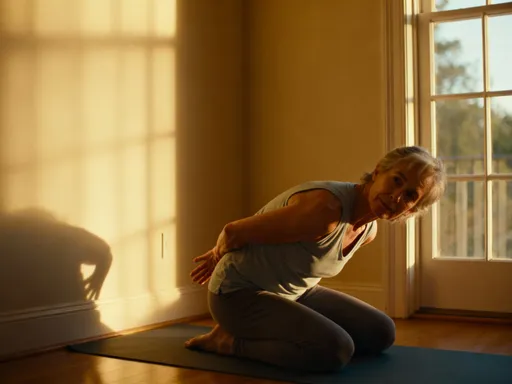
Active recovery — low-intensity movement on rest days — is another powerful tool. Light walking, stretching, yoga, or breathing exercises increase blood flow to muscles, helping to clear metabolic waste and reduce soreness. These activities also support the parasympathetic nervous system, which promotes relaxation and digestion. Unlike intense workouts, active recovery does not add stress to the body but helps it return to balance.

Signs of inadequate recovery include persistent fatigue, irritability, trouble sleeping, and decreased performance. If you find yourself dreading workouts, feeling sore for days, or getting sick more often, your body may be asking for rest. A simple self-check is to monitor your resting heart rate; a sudden increase can indicate overtraining. The solution is not to push harder, but to adjust the rhythm. Taking one or two full rest days per week, prioritizing sleep, and incorporating gentle movement can restore energy and prevent burnout. True progress comes not from constant effort, but from the balance between action and recovery.

Building a Life That Moves: Environment Over Willpower

Lasting health is not the result of willpower — it is the product of design. Behavioral psychology shows that people are more likely to stick to habits when their environment supports them. Willpower is limited and inconsistent, but a well-structured environment makes healthy choices automatic. The goal is not to rely on motivation, but to make movement the easiest option.

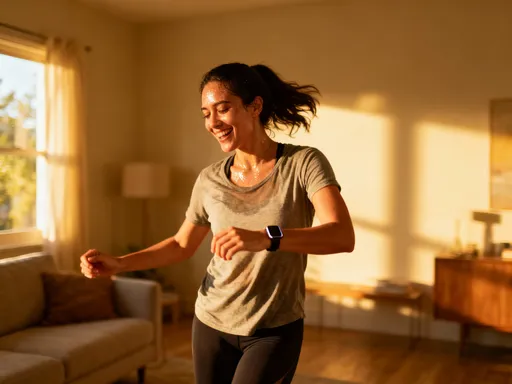
Simple environmental changes can have a big impact. Placing workout clothes next to the bed the night before makes morning exercise more likely. Keeping a pair of walking shoes by the front door encourages short walks after dinner. Using a fitness tracker or step-counting app adds accountability and makes progress visible. Scheduling movement like any other appointment — blocking time in the calendar — increases the likelihood of follow-through.

Habit stacking is another powerful strategy. This involves pairing a new behavior with an existing routine. For example, doing five minutes of stretching after brushing your teeth, or performing calf raises while waiting for the coffee to brew. These pairings reduce the mental effort needed to start, making the new habit easier to adopt. Over time, the brain begins to associate the existing habit with the new one, creating a seamless routine.

Social environment also matters. Exercising with a friend, joining a community class, or sharing progress with family can increase accountability and enjoyment. Even small cues, like placing a yoga mat in the living room or setting a phone reminder, can prompt action. The key is to reduce friction — the obstacles that make movement hard. When the path of least resistance leads to activity, consistency becomes natural. Health is not about heroic efforts; it’s about creating a life where moving is simply part of how you live.

Health Is a Practice, Not a Destination

True wellness is not defined by a number on the scale or the ability to run a marathon. It is built through daily choices — small, consistent actions that support long-term vitality. The journey is not linear; there will be days of energy and days of fatigue, moments of progress and moments of setback. What matters is not perfection, but persistence. Each time you choose to move, to rest, or to listen to your body, you are investing in your health.

The strategies discussed — from micro-movements to functional strength, from circadian alignment to environmental design — are not quick fixes. They are evidence-based practices that work because they fit into real life. They do not demand hours of time or extreme effort. Instead, they invite a shift in mindset: from seeing exercise as a chore to viewing movement as a form of self-care.

Science continues to confirm that the most effective health interventions are those that are sustainable. It’s not about doing more — it’s about doing what works, consistently. By focusing on habits rather than outcomes, on balance rather than intensity, anyone can build a healthier life. The body responds not to occasional bursts of effort, but to the quiet accumulation of care. And that, more than any single workout, is where real transformation begins.


Recommend Posts
Health

How I Stopped Letting Busy Life Kill My Health — And What Actually Worked

By Emma Thompson/Nov 29, 2025

This article explores how to maintain long-term health in a busy world by focusing on sustainable habits instead of willpower. It highlights the dangers of sedentary living, the science behind habit formation, and practical strategies like micro-movements, circadian-aligned workouts, functional fitness, and recovery. Backed by research, it offers real-life solutions for integrating movement into daily routines and creating an environment that naturally supports health.
Health

How I Finally Calmed My Mind: A Real Talk on Emotional Balance for Women

By Victoria Gonzalez/Nov 29, 2025

This article explores the emotional challenges women face due to mental load, hormonal fluctuations, and societal expectations, offering science-backed strategies for achieving emotional balance. It covers breathwork, journaling, boundary-setting, and routines as sustainable tools for mental wellness, emphasizing that emotional health is a lifelong, achievable practice.
Health

Glow Up After the Storm: My Skin’s Comeback Story

By Emma Thompson/Nov 29, 2025

A personal and insightful journey through skin recovery, exploring the emotional and physical challenges of healing a damaged skin barrier. This article emphasizes patience, gentle care, and lifestyle changes over quick fixes, offering a realistic roadmap for women seeking resilient, healthy skin after a crisis.
Health

Elderly Fall Prevention: Ground Surface Modification"

By /Jul 28, 2025

The growing concern over senior safety has brought increased attention to home modifications that can prevent dangerous falls. Among these interventions, floor surface adaptations have proven particularly effective in reducing accident rates. As populations age globally, understanding how to create slip-resistant environments becomes not just a matter of comfort but of life-saving necessity.
Health

From Flab to Fit: How I Turned My Fatty Liver Around with Real Lifestyle Shifts

By Amanda Phillips/Dec 30, 2025

Discover how simple, sustainable lifestyle changes reversed a fatty liver diagnosis—no extreme diets or magic pills. This personal journey highlights diet shifts, stress management, sleep improvements, and mindset changes that restored energy, digestion, and overall health, offering hope and practical steps for anyone facing NAFLD.
Health

Emergency Call Reminder Design

By /Jul 28, 2025

In the fast-paced world we live in, emergency situations can arise without warning. Having quick access to emergency contact numbers can mean the difference between life and death. This is where the humble yet crucial emergency contact memo sticker comes into play. These small but mighty tools serve as a lifeline in critical moments, ensuring that vital numbers are always within reach when every second counts.
Health

Gut Health Unlocked: How Probiotics Changed My Daily Wellness Routine

By Sophia Lewis/Nov 30, 2025

Discover how probiotics transformed one person's gut health and overall wellness, from reducing bloating and fatigue to improving immunity, mental clarity, and skin. This personal journey explores the science behind probiotics, strain selection, and long-term habits that support a balanced microbiome for lasting health benefits.
Health

How I Bounced Back Stronger: My Real Talk on Exercise for Recovery

By Emily Johnson/Nov 30, 2025

Discover how strategic, gentle exercise transformed a personal recovery journey, blending science and real-life experience to rebuild strength, confidence, and resilience after injury or inactivity.
Health

How I Reset My Body in Just Days—Simple Hacks for Modern Burnout

By Daniel Scott/Nov 30, 2025

Discover how simple, science-backed habits like breathwork, circadian rhythm alignment, and micro-movements can rapidly reverse modern burnout and restore energy, focus, and resilience without drastic lifestyle changes.
Health

How I Balanced My Qi with Simple Eating Habits—And Why It Changed Everything

By Natalie Campbell/Nov 29, 2025

Discover how aligning simple eating habits with traditional Chinese concepts of qi can transform energy, focus, and overall well-being. This personal journey explores the powerful connection between food, digestion, and internal energy flow, offering practical, sustainable steps to balance qi through warm, nourishing meals and gentle qigong practices—no extreme diets or rigid rules required.
Health

How I Beat Daily Burnout with Simple Moves That Actually Work

By Grace Cox/Nov 29, 2025

Discover how simple, science-backed movements can combat daily burnout and boost energy more effectively than extra sleep. This article reveals practical strategies like the 5-Minute Energy Reset, walking routines, light resistance exercises, and circadian rhythm alignment to naturally enhance alertness, focus, and overall vitality without intense workouts or drastic lifestyle changes.
Health

Why Your Body Actually Recovers When You Do Less

By Rebecca Stewart/Nov 30, 2025

This article explores the science behind physical and mental recovery, explaining how rest activates cellular repair, hormone balance, and nervous system restoration. It challenges the myth of constant productivity, highlighting the biological necessity of stillness for long-term health, and offers practical habits to support sustainable recovery without relying on technology.
Health

My 5-min morning routine for all-day energy

By Lily Simpson/Nov 17, 2025

You know that feeling when you wake up already exhausted? I used to hit snooze three times, stumble through my morning, and rely on coffee just to feel semi-human by 10 AM. Then I discovered something that completely transformed my energy levels: a five-minute morning ritual that sets me up for success every single day. It's not about complicated protocols or expensive supplements—just simple, science-backed habits that anyone can implement.
Health

How I Tamed My Emotions in Just Minutes—And Transformed My Days

By John Smith/Nov 29, 2025

Discover science-backed techniques to regulate emotions in minutes, improve mental clarity, and build lasting resilience through simple daily practices that transform emotional responses and enhance overall well-being.
Health

How I Found Balance: My Real Talk on Qigong for Body Tuning

By George Bailey/Nov 30, 2025

This personal journey explores how qigong transformed the author's health by restoring energy, reducing stress, and improving mind-body connection through gentle, consistent practice. It highlights real-life benefits over time, not quick fixes.
Health

The Social Plate: How Shared Meals Can Transform Your Health

By James Moore/Nov 30, 2025

This article explores how shared meals positively impact physical and mental health, revealing that eating with others improves digestion, dietary choices, and emotional well-being. Backed by scientific research, it highlights the hidden health benefits of social eating, from reduced obesity risk to lower stress levels, and offers practical strategies to reintegrate meaningful mealtime connections into modern, busy lives.
Health

How I Finally Made Exercise Stick — And Transformed My Daily Life

By David Anderson/Nov 29, 2025

Discover how small, consistent movements transformed a once-fragile fitness journey into a sustainable daily habit. This article explores the power of micro-habits, redefining exercise beyond the gym, and how letting go of perfection led to lasting energy, focus, and well-being.
Health

Glow From Within: How I Transformed My Skin Through Daily Habits

By Natalie Campbell/Nov 29, 2025

Discover how daily lifestyle habits like hydration, sleep, stress management, and nutrition can transform your skin from within. This article explores the science behind glowing skin, emphasizing that true radiance comes not from topical products alone, but from consistent, holistic health practices that support long-term skin wellness.
Health

Disinfection Standards for Children's Safety Seats

By /Jul 28, 2025

As parents, ensuring the safety and well-being of our children is always a top priority. One often overlooked aspect of child safety is the cleanliness and hygiene of car seats. While most parents diligently buckle their little ones into properly installed car seats, fewer consider the importance of regularly disinfecting these essential safety devices. The process of disinfecting a child's car seat requires careful attention to detail, as improper cleaning methods can damage the seat's structural integrity or leave behind harmful chemical residues.
Health

Pet Hair Allergy Control Plan

By /Jul 28, 2025

For millions of pet lovers around the world, the joy of having a furry companion is often overshadowed by the discomfort of pet hair allergies. These allergies can range from mild sneezing and itchy eyes to severe respiratory issues, making it difficult for sufferers to enjoy the company of their beloved pets. Understanding the root causes and implementing effective prevention strategies can make a significant difference in managing these allergic reactions.

Health

Calm Mind, Steady Numbers: How I Tamed My Blood Pressure Naturally

By Elizabeth Taylor/Nov 29, 2025

Discover how managing stress and achieving mental calm can naturally lower blood pressure. This personal journey reveals the powerful connection between emotional balance and heart health, offering practical daily habits that support long-term well-being without relying solely on medication.
Health

Piano Hand Injury Prevention Exercise

By /Jul 28, 2025

In today's technology-driven world, keyboard use has become an integral part of daily life for millions of people. From office workers to students, programmers to writers, our hands are constantly engaged in typing activities. This repetitive motion can lead to various musculoskeletal disorders if proper care isn't taken. Keyboard hand prevention exercises have emerged as a crucial practice for maintaining hand health and preventing long-term damage.

Health

How I Turned My Low-Energy Days Around — Real Changes That Actually Work

By Amanda Phillips/Nov 29, 2025

Discover how small, science-backed daily habits transformed chronic fatigue into sustained energy and mental clarity. This personal journey explores practical strategies for overcoming suboptimal health through hydration, natural light, movement, nutrition, and restorative sleep — no quick fixes, just real, lasting change.
Health

Pediatric Dosage Calculator

By /Jul 28, 2025

When it comes to administering medication to children, precision is not just important—it’s a matter of safety. Unlike adults, children’s bodies are still developing, which means their ability to metabolize drugs can vary significantly based on age, weight, and other physiological factors. A children’s dosage calculator is an essential tool for parents, caregivers, and healthcare professionals to ensure accurate dosing tailored to a child’s specific needs. Misjudging even a small amount can lead to underdosing, rendering the treatment ineffective, or overdosing, which may cause harmful side effects.
Health

Glow Up Without the Hype: How Real Skin Changes Happen

By Emma Thompson/Nov 30, 2025

True skin transformation isn't about trendy products but consistent, holistic habits. This article explores how hydration, sleep, stress management, and nutrition work together to create lasting radiance from within, revealing the science behind real skin health beyond the hype.
Health

The breathing hack that calms anxiety in minutes

By Noah Bell/Nov 17, 2025

You're sitting at your desk, heart pounding for no apparent reason. Your palms feel clammy, thoughts race in circles, and that familiar tightness wraps around your chest. Anxiety has arrived uninvited again. What if you could dial it down in minutes without medication or complicated techniques? There's a powerful tool you've been carrying with you all along—your breath.
Health

Food Safety Storage Temperature Chart

By /Jul 28, 2025

Food safety is a critical concern for households, restaurants, and food businesses alike. Proper storage temperatures play a pivotal role in preventing foodborne illnesses and ensuring that perishable items retain their quality. Understanding the correct temperature ranges for different food categories can mean the difference between safe consumption and potential health risks.
Health

How I Kept My Balance—And My Independence—Through the Years

By Joshua Howard/Nov 29, 2025

This personal health journey explores how maintaining balance through small, consistent habits can preserve independence, especially when managing chronic conditions like diabetes. It highlights practical exercises, lifestyle changes, and the importance of proactive care to improve stability and overall well-being over time.
Health

Why I'm obsessed with walking for mental health

By Michael Brown/Nov 17, 2025

I used to think therapy happened in an office with a comfortable couch and a box of tissues. Then I discovered a different kind of therapy, one that doesn’t cost a thing and is available 24/7. It’s called walking. My obsession began during a particularly rough patch. My mind was a tangled mess of deadlines, anxieties, and a constant, low-grade hum of stress. One afternoon, overwhelmed, I just put on my sneakers and left my apartment with no destination. An hour later, I returned feeling… clearer. Lighter. It wasn’t a miracle cure, but it was a start. That was the moment I realized I’d stumbled onto something profound.
Health

Calm Mind, Younger You: How Emotional Balance Keeps You Feeling Fresh

By Rebecca Stewart/Nov 29, 2025

Discover how emotional balance acts as a powerful anti-aging tool by reducing stress, improving sleep, and enhancing skin and immune health. This article explores the science behind emotions and aging, revealing practical mind-body practices that promote lasting vitality and a fresher, younger feel from within.
Health

Hair, Mind, and Me: How Mental Balance Transforms Your Hair Health

By David Anderson/Nov 29, 2025

Discover how mental balance and emotional wellness profoundly impact hair health, exploring the science behind stress-related hair loss and holistic strategies that nurture both mind and scalp for stronger, shinier hair from within.
Health

How I Fixed My Back Pain with This Simple Daily Routine

By Joshua Howard/Nov 29, 2025

Discover a simple, science-backed daily routine that transformed chronic back pain into lasting relief. This practical guide emphasizes gentle movement, core activation, and consistent habits to support spinal health and improve mobility—no equipment or intense workouts required.
Health

Mental Labor Energy Meal Pack

By /Jul 28, 2025

The modern workplace has evolved significantly, with an increasing number of professionals engaged in mentally demanding tasks. Brain workers, from software developers to financial analysts, often find themselves drained by midday, struggling to maintain focus and productivity. This phenomenon has given rise to a growing interest in specialized energy-boosting snacks tailored specifically for cognitive performance. Unlike traditional energy bars designed for physical endurance, these "brain fuel" packs aim to sustain mental clarity, enhance concentration, and prevent the dreaded afternoon crash.
Health

Time Flies, But Your Body Doesn’t Have To

By Natalie Campbell/Nov 29, 2025

Aging doesn't have to mean decline. This article explores how tracking key health metrics—like energy, recovery, and mental clarity—can help you age with vitality. Discover science-backed lifestyle changes that support long-term well-being and improve biological age, not just appearance.
Health

Dancing Into Focus: How I Tracked My Health and Felt the Change

By Olivia Reed/Nov 29, 2025

Discover how combining joyful dancing with simple health tracking transformed one person's physical and emotional well-being, revealing powerful insights about movement, mood, and self-awareness through real-time data and mindful connection.
Health

Sleep Smarter, Heal Faster: My Doctor-Backed Routine That Changed Everything

By Eric Ward/Nov 29, 2025

Discover how aligning your daily routine with your body's natural circadian rhythm can accelerate healing and improve recovery. Backed by medical research, this article reveals the science behind sleep's role in immune function, tissue repair, and brain health, offering practical, doctor-supported strategies to optimize rest and enhance overall well-being.
Health

How I Cut My Healthcare Costs Without Skipping Checkups

By Grace Cox/Nov 30, 2025

Discover how strategic planning and smart use of insurance benefits can significantly reduce healthcare costs without skipping essential checkups. This article shares real-life tips on avoiding hidden fees, optimizing timing for preventive services, choosing the right insurance plan, leveraging telehealth, and using generics to save hundreds annually while staying healthy.
Health

Procedure for Disposing of Expired Medications in a Home Medicine Cabinet

By /Jul 28, 2025

In households around the world, medicine cabinets serve as a first line of defense against minor ailments. From pain relievers to allergy medications, these small collections of pharmaceuticals provide quick relief when needed. However, what many families fail to recognize is that these helpful remedies come with an expiration date – both literally and figuratively. The proper disposal of expired medications isn't just about clearing shelf space; it's a critical component of household safety and environmental protection that demands our attention.
Health

How I Made Mediterranean Eating Actually Simple – And Why It Changed Everything

By George Bailey/Nov 30, 2025

Discover how simplifying the Mediterranean diet led to lasting health changes, increased energy, and a better relationship with food. This real-life approach focuses on small, sustainable swaps rather than perfection, making healthy eating enjoyable and achievable for busy women.
Health

Why My Stomach Finally Calmed Down — The Sleep Routine That Changed Everything

By Elizabeth Taylor/Nov 29, 2025

Discover how aligning your sleep schedule with your body's natural rhythm can transform your gut health, reduce bloating, and improve digestion—even without changing your diet. This article explores the science behind the gut-sleep connection and offers a practical 7-day plan to reset your internal clock for lasting digestive wellness.
Health

Why Hiking Changed My Health Mindset Forever

By David Anderson/Nov 29, 2025

Hiking transformed the author's health mindset by shifting focus from appearance and metrics to presence, self-compassion, and connection with nature. This personal journey reveals how mindful movement in natural environments fosters physical, mental, and emotional well-being in sustainable and profound ways.
Health

Why I Swear by Tai Chi for Everyday Calm and Strength

By Emma Thompson/Nov 29, 2025

Discover how Tai Chi transformed one person's approach to health, offering calm, strength, and resilience through slow, intentional movement. This personal journey explores its real benefits for stress, sleep, balance, and mental clarity, debunking myths and showing how it fits into modern life.
Health

What Changed My Sleep Forever – A Real Journey to Better Rest

By Rebecca Stewart/Nov 29, 2025

This personal journey explores the transformative power of rethinking sleep, not as a problem to fix but as a vital part of health. It reveals the hidden impacts of poor sleep, debunks common myths, and offers practical, science-backed strategies for building sustainable sleep habits and improving overall well-being.
Health

How I Learned to Glow from Within: My Skincare Health Journey

By John Smith/Dec 31, 2025

This personal journey explores how inner health profoundly impacts skin wellness, emphasizing hydration, sleep, diet, and stress management. The author shares insights on tracking bodily signals, debunking skincare myths, and embracing a holistic, compassionate approach to achieve lasting radiance from within.
Health

How I Finally Learned to Recover Right—And Why It Changed Everything

By Noah Bell/Nov 29, 2025

This article shares a personal journey of overcoming burnout by redefining recovery as an active, intentional practice. It explores the science behind true recovery, identifies common barriers, and introduces a practical four-pillar framework that enhances resilience through movement, nutrition, sleep, and mental well-being.
Health

How Massage Therapy Quietly Transforms Recovery – A Clinician’s Insight

By Eric Ward/Nov 29, 2025

This article explores the clinical role of massage therapy in rehabilitation, highlighting its physiological benefits, scientific backing, and integration into recovery plans. It explains how targeted techniques reduce pain, improve mobility, and support healing, offering insights for clinicians and patients alike.
Health

Air Conditioning Cleaning Cycle Calculation Formula

By /Jul 28, 2025

Maintaining a clean air conditioning system isn’t just about comfort—it’s a matter of efficiency, cost savings, and even health. Many homeowners and facility managers overlook the importance of regular cleaning, often waiting until performance drops or odors emerge. However, there’s a method to determining the optimal cleaning frequency, and it hinges on a combination of factors that go beyond guesswork.
Health

This $20 supplement actually fixed my gut issues

By Sophia Lewis/Nov 17, 2025

I’ll be honest: I was skeptical. After years of bloating, unpredictable stomach cramps, and that sluggish feeling after meals, I’d tried everything—probiotics, elimination diets, even cutting out gluten entirely. Nothing seemed to stick. Then, a friend mentioned a simple $20 supplement that changed her gut health almost overnight.
Health

Ergonomic Adjustments Guide for Workstations

By /Jul 28, 2025

In today's modern workplaces, where many of us spend the majority of our waking hours seated at desks, the importance of ergonomic workstation adjustments cannot be overstated. The way we position our chairs, monitors, keyboards, and other equipment has a profound impact on our physical health, productivity, and overall well-being. Yet, far too many employees settle into poorly configured workstations without realizing the long-term consequences.
Health

How I Calmed My Blood Pressure and Reclaimed My Energy – A Real Journey

By Grace Cox/Nov 29, 2025

A personal journey of overcoming high blood pressure through sustainable lifestyle changes, focusing on diet, movement, stress management, and sleep to regain energy and long-term vitality without relying on quick fixes.
Health

Gold Standard for Bathroom Anti-Slip Measures

By /Jul 28, 2025

The bathroom, often considered a sanctuary for relaxation, paradoxically presents one of the highest slip-and-fall risks in any household. Every year, thousands of accidents occur in this seemingly harmless space, leading to injuries ranging from minor bruises to severe fractures. Understanding and implementing the gold standard for bathroom slip prevention isn’t just about adding a rubber mat—it’s a comprehensive approach that blends material science, ergonomic design, and behavioral awareness.
Health

How I Took Control of My Health Before It Was Too Late

By Natalie Campbell/Nov 29, 2025

After a prediabetes diagnosis, the author shifted focus from weight as a cosmetic issue to a critical health marker. Through sustainable lifestyle changes like mindful eating, regular movement, and mindset shifts, they reversed prediabetes and reduced chronic disease risk, proving that small, consistent choices can lead to lasting health improvements.
Health

Sleep Without the Crash: What I Stopped Eating to Finally Rest Well

By Amanda Phillips/Nov 29, 2025

Discover how certain foods can disrupt sleep quality and what to eat instead for deeper, more restful nights. This article explores the science behind diet and sleep, offering practical tips to break the cycle of late-night snacking and improve overall well-being through better food choices.
Health

Breathe Into the Moment: How Slowing Down Transformed My Mind

By William Miller/Nov 29, 2025

This article explores how slowing down through meditation can transform mental clarity and emotional well-being in a fast-paced world. It delves into the science of mindfulness, the benefits of stillness, and practical ways to integrate meditation into daily life, especially for women juggling multiple responsibilities. By focusing on breath and presence, the author reveals how meditation is not an escape but a powerful return to self.
Health

How I Smartly Managed My Vision Correction Costs Without Sacrificing Quality

By Joshua Howard/Nov 29, 2025

This article shares practical strategies for reducing vision correction costs without compromising care quality, covering eye exams, glasses, contacts, insurance pitfalls, and preventive habits to protect both eyesight and finances over time.
Health

Morning Smoothie Hack That Boosts My Energy All Day ✨

By Thomas Roberts/Nov 12, 2025

You know that feeling when your alarm goes off and you're already mentally exhausted before the day even begins? I used to drag myself through mornings, relying on multiple coffees just to function until noon. My energy crashes were so predictable my coworkers could set their watches by my 11 AM slump. Then I discovered something that completely transformed my mornings—and it wasn't another supplement or complicated routine.
Health

Balancing Diet for Emotional Health

By /Jul 28, 2025

When sadness strikes, our bodies undergo subtle yet significant physiological changes that often go unnoticed. The connection between emotional distress and physical well-being runs deeper than most people realize, with nutritional needs shifting during periods of emotional turmoil. What we choose to eat during these vulnerable moments can either exacerbate our melancholy or help restore balance to both mind and body.
Health

Strategies for Alleviating Eye Strain During Video Conferences"

By /Jul 28, 2025

The rise of video conferencing as a primary mode of communication has brought with it an unexpected challenge: digital eye strain. As millions of professionals spend hours each day staring at screens during virtual meetings, reports of eye fatigue, dryness, and discomfort have skyrocketed. This phenomenon, sometimes called "Zoom fatigue," goes beyond simple tiredness - it represents a growing occupational health concern that demands thoughtful solutions.
Health

How I Built Muscle Without Burning Out — Simple Recovery Rules That Actually Work

By William Miller/Nov 29, 2025

Discover how prioritizing recovery—through sleep, nutrition, active rest, and listening to your body—can lead to sustainable muscle growth without burnout. This article shares practical, science-backed strategies for building strength safely and effectively over time.
Health

Youth on Repeat: How My Movement Routine Keeps Time at Bay

By Elizabeth Taylor/Nov 29, 2025

Discover how a consistent movement routine can combat the effects of aging by improving strength, mobility, and vitality. This article explores science-backed strategies to maintain biological youth, emphasizing daily motion over intense exercise for long-term health and energy.
Health

Template for Family Health Records

By /Jul 28, 2025

The concept of a family health record has gained significant traction in recent years as households seek more organized ways to manage their medical information. Unlike individual health records, which focus solely on one person, a family health archive serves as a centralized repository for tracking the medical history, vaccinations, allergies, and ongoing treatments of all family members. This holistic approach not only simplifies healthcare management but also ensures that critical information is readily available during emergencies or routine doctor visits.
Health

How I Fixed My Smile Without Surgery — Real Talk on Healing Teeth the Natural Way

By Olivia Reed/Nov 30, 2025

Discover how one person transformed their oral health naturally without surgery, using science-backed daily habits, dietary changes, and a healing-focused mindset that reversed gum disease and sensitivity over 18 months.