Procedure for Disposing of Expired Medications in a Home Medicine Cabinet
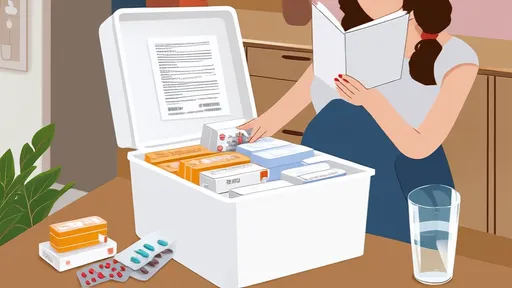
In households around the world, medicine cabinets serve as a first line of defense against minor ailments. From pain relievers to allergy medications, these small collections of pharmaceuticals provide quick relief when needed. However, what many families fail to recognize is that these helpful remedies come with an expiration date – both literally and figuratively. The proper disposal of expired medications isn't just about clearing shelf space; it's a critical component of household safety and environmental protection that demands our attention.
The dangers lurking in expired medications are more significant than most people realize. Chemical compounds break down over time, rendering some medicines ineffective while others become potentially toxic. Antibiotics may lose their potency, putting patients at risk of treatment failure, while degraded tetracycline antibiotics can actually cause kidney damage. The common practice of keeping medications "just in case" transforms these healing substances into ticking time bombs within our homes.
Flushing medications down the toilet was once standard advice, but we now understand the catastrophic environmental consequences of this practice. Water treatment plants aren't designed to remove pharmaceutical compounds, leading to traces of drugs appearing in rivers and drinking water supplies. Studies have detected everything from antidepressants to hormones in water samples, with concerning effects on aquatic life. Fish exposed to estrogen compounds, for instance, have shown disturbing changes in reproductive systems and behaviors.
Many communities have established drug take-back programs to address this growing concern. These initiatives, often sponsored by local pharmacies or law enforcement agencies, provide secure drop-off locations for unused medications. The collected drugs undergo professional incineration at high temperatures, ensuring complete destruction of active ingredients. These programs typically accept both prescription and over-the-counter medications, though some may have restrictions on controlled substances or liquid formulations.
For those without access to take-back programs, the FDA recommends specific disposal methods for home use. Mixing medications with unappealing substances like coffee grounds or cat litter makes them less recognizable and desirable if they somehow reach unintended hands. Sealing this mixture in a container before trash disposal provides an additional layer of security. This method prevents accidental ingestion by children or pets while keeping pharmaceuticals out of water systems.
Some medications require immediate disposal regardless of expiration dates due to their high potential for abuse or overdose. Opioid pain relievers top this list, with their presence in home cabinets contributing to the ongoing addiction crisis. The DEA periodically hosts National Prescription Drug Take Back Days to specifically target these dangerous leftovers. These events not only remove risks from homes but also raise awareness about proper medication stewardship.
Environmental advocates emphasize that proper drug disposal represents just one piece of the puzzle. Preventing accumulation of unused medications in the first place requires smarter prescribing practices and patient education. Doctors are encouraged to prescribe smaller quantities when appropriate, while patients should communicate if they've stopped taking a medication. Pharmacies in some regions now offer "partial filling" options for certain prescriptions, reducing waste when full courses aren't needed.
The psychological barriers to proper disposal often prove more challenging than the physical act itself. Many people hesitate to discard medications due to their perceived value or "just in case" mentality. This hoarding tendency becomes particularly pronounced with expensive specialty drugs or medications that were difficult to obtain. Public health campaigns work to reframe this thinking, comparing expired medications to spoiled food – potentially harmful despite their original purpose.
International approaches to medication disposal reveal interesting cultural differences. Some European nations require pharmacies to take back unused drugs year-round, while others incorporate disposal into their universal healthcare systems. Japan's meticulous waste separation system includes specific protocols for pharmaceutical products. These global examples demonstrate that while solutions may vary, the recognition of expired medications as a serious issue is becoming universal.
Looking ahead, technological innovations promise to simplify proper disposal. Smart packaging that changes color when medications expire could prompt timely action. Biodegradable drug formulations that break down safely in the environment are under development. Some startups are even exploring at-home neutralization kits that render medications inert before disposal. These advances, combined with growing public awareness, suggest a future where expired medications pose far less risk to our homes and ecosystems.
As we navigate our increasingly medicated world, the humble medicine cabinet deserves more attention than it typically receives. Regular audits of medication expiration dates should become as routine as changing smoke detector batteries. Community leaders can organize local disposal events while schools incorporate medication safety into health curricula. By treating pharmaceutical disposal with the seriousness it warrants, we protect not just our families, but our shared environment for generations to come.