Argentina Achieves Blockchain Traceability for the Entire Beef Production Process
Walking through the sprawling Argentine pampas, the scent of earth and livestock hangs heavy in the air. For generations, the journey of a steak from these pastures to a dinner plate has been a story of trust and assumption. Consumers simply had to believe the labels promising grass-fed, free-range quality. But that narrative is changing dramatically. Argentina, a global beef powerhouse, is now weaving a digital thread of truth through its entire supply chain, leveraging blockchain technology to create an unprecedented level of transparency from ranch to retail.
This isn't just a minor upgrade to a tracking spreadsheet. It's a fundamental reimagining of how we understand our food. The initiative, a collaboration between government agricultural bodies, major beef exporters, and tech firms, assigns each animal a unique digital identity at birth or upon entry to a certified feedlot. This identity becomes an immutable record on a distributed ledger, capturing every significant event in the animal's life. The data points are remarkably detailed, moving far beyond simple location tracking to include veterinary health records, vaccination schedules, and the specific composition of its diet, verifying those cherished "grass-fed" claims with hard data.
For the ranchers on the front lines, this represents a significant shift in their daily operations. While integrating new technology into age-old practices presents a learning curve, the long-term benefits are compelling. One rancher from the La Pampa region shared that the system initially felt intrusive, but he now sees it as a digital brand ambassador for his livestock. By providing verifiable proof of his high-welfare and sustainable practices, he can command a premium price in international markets increasingly concerned with ethical sourcing. The blockchain doesn't just track; it validates the quality that Argentine beef is famous for.
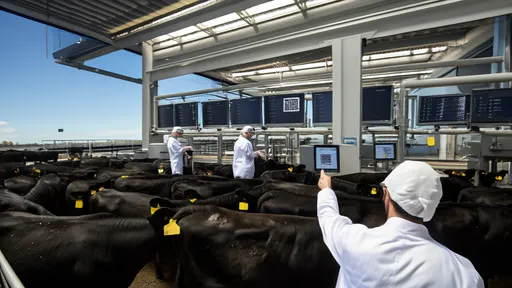
The transformation continues as the cattle move to processing plants. Here, the digital identity seamlessly transitions from a live animal to specific cuts of meat. Each primal cut and packaged product is tagged with a QR code. When this code is scanned at the slaughterhouse, a new chapter in the blockchain record is written, logging the date, time, and facility of processing. This creates an unbroken chain of custody, making it nearly impossible for fraudulent or lower-quality meat to be mislabeled and inserted into the supply chain. It's a powerful tool against food fraud, a multi-billion dollar global problem.
The real magic, however, happens at the consumer level. Imagine standing in a supermarket in Shanghai or a boutique butcher shop in London. You see a package of Argentine beef, and with a simple scan of the QR code on your smartphone, a story unfolds. You can see the specific region where the animal was raised, view its health history, confirm its grass-fed diet, and trace its path through the supply chain. This isn't just information; it's empowerment. It bridges the vast geographical and cognitive gap between the consumer and the producer, fostering a new level of trust and informed decision-making.
Of course, a project of this scale faces hurdles. Integrating thousands of independent ranchers, many of whom are accustomed to traditional methods, requires extensive training and support. There are also costs associated with the technology infrastructure and tagging. However, the industry is tackling these challenges head-on with subsidized programs and user-friendly applications designed for rural areas with potentially limited internet connectivity. The consensus is that the initial investment will pay dividends in market access and consumer confidence.
Beyond the immediate benefits of fraud prevention and premium branding, this move positions Argentina at the forefront of a global shift towards ethical consumption. In an era where consumers are increasingly asking "how?" and "where?" about their food, Argentina can now answer those questions with irrefutable, blockchain-verified data. This level of traceability also enhances food safety, allowing for lightning-fast recalls targeted to specific batches if a health issue ever arises, thereby minimizing risk and waste.
This initiative is more than a technological implementation; it's a statement. It reaffirms Argentina's commitment to quality and positions its most famous export as a leader in the future of food. The story of Argentine beef is no longer just written on the plains; it's now encoded in a transparent, secure, and trustworthy digital ledger, inviting the world to look closer. The next time you enjoy a perfectly grilled Argentine steak, you'll know its entire history, making every bite a testament to a new era of clarity in what we eat.