Graphene Batteries Charge 10 Times Faster
Imagine charging your phone from zero to full in under five minutes. Or an electric vehicle that powers up faster than you can grab a coffee. This isn't a distant sci-fi dream—it's the tangible reality that graphene-enhanced batteries are bringing to our doorstep. Researchers have consistently reported charging speeds up to ten times faster than conventional lithium-ion batteries, a breakthrough that could fundamentally reshape our relationship with technology and energy.
So, how does this work? The magic lies in graphene's unique two-dimensional honeycomb lattice structure. This single layer of carbon atoms is not only incredibly strong but is an exceptional conductor of both electricity and heat. In a standard battery, lithium ions travel through a thicker, less conductive material, creating a bottleneck that slows down charging. Graphene's structure provides a superhighway for these ions, allowing them to move with dramatically less resistance. Think of it like upgrading from a winding country road to a multi-lane autobahn for energy particles.
The practical implications are staggering for electric vehicles. Range anxiety—the fear of your car's battery dying mid-journey—could become a relic of the past. A typical EV that currently takes 8 hours to charge could be ready in under an hour, and rapid charging stations could deliver a significant power boost in the time it takes to use a restroom. This doesn't just benefit the consumer; it could massively accelerate the global adoption of electric transport by making it as convenient, if not more so, than refueling a gasoline car.
Our personal electronics are set for a revolution, too. We've all experienced that moment of panic when our phone battery is at 1% right before an important call. With graphene batteries, you could plug in for just a few minutes and get hours of additional usage. This speed also alleviates the strain of frequent charging cycles, which typically degrade battery health over time. The combination of speed and longevity is a true game-changer for device manufacturers and users alike.
Of course, translating a lab marvel into a commercially viable product comes with hurdles. The primary challenge has been scaling up the production of high-quality, defect-free graphene at a cost that makes sense for mass-market electronics and cars. Early production methods were prohibitively expensive, but recent advancements in chemical vapor deposition and other techniques are steadily bringing costs down. It's a complex puzzle, but the pieces are falling into place faster than many anticipated.
It's also worth noting what this technology is not. A tenfold increase in charging speed doesn't automatically mean a tenfold increase in the total energy a battery can store—that's its energy density. However, graphene composites are also showing promise in boosting energy density, meaning we could see batteries that not only charge incredibly fast but also last much longer on a single charge. It's a dual-fronted assault on the two biggest limitations of current battery tech.
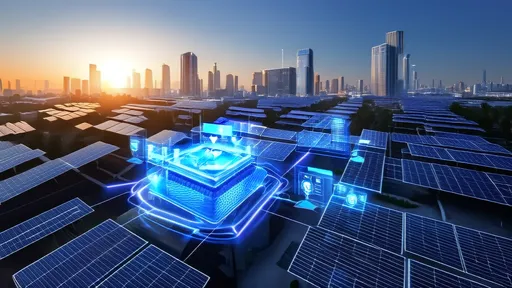
Looking beyond our phones and cars, this has profound implications for renewable energy. The biggest drawback of solar and wind power is their intermittency—the sun doesn't always shine, and the wind doesn't always blow. Ultra-fast charging batteries could store massive amounts of energy almost instantaneously when generation is high, stabilizing the grid and making renewables a far more reliable primary energy source. This isn't just a convenience; it's a critical step toward a sustainable energy future.
The journey from the lab to your pocket or garage is well underway. Several companies are now in the pilot production phase, working out the final kinks in manufacturing. While we might not see graphene batteries in every device next year, the pace of development suggests widespread availability is a matter of a few short years, not decades. The era of waiting for your devices to charge is rapidly drawing to a close.