Portugal Harnesses Wave Energy to Power the Grid
In a world increasingly focused on renewable energy, a quiet revolution is happening along the coast of Portugal. The country is now successfully harnessing the relentless power of the Atlantic Ocean, converting the kinetic energy of its waves into electricity that is feeding directly into the national grid. This isn't a small-scale pilot project anymore; it's a fully operational, grid-connected reality, marking a significant milestone for marine energy in Europe and beyond.
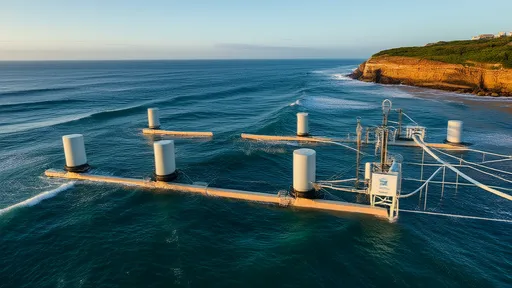
The core of this achievement lies in advanced wave energy converter (WEC) technology. Unlike offshore wind, which captures energy from the air above the sea, these systems are designed to operate in the harsh, corrosive marine environment, capturing energy from the surface motion of the waves. The specific technologies deployed off the Portuguese coast involve floating or submerged structures that move with the waves—this motion, whether it's an up-and-down bobbing, a back-and-forth swaying, or the pressure changes underwater, drives an internal generator. This mechanical energy is then converted into clean, usable electricity. It's a complex engineering feat, making a power plant out of the open ocean.
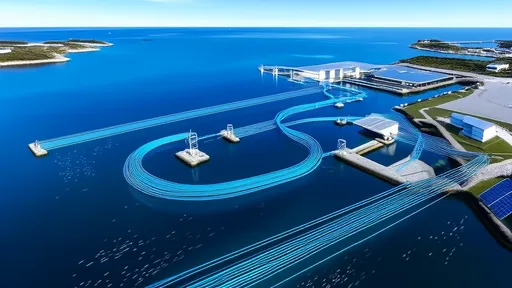
What makes the Portuguese case so compelling is its seamless integration with the existing energy infrastructure. The electricity generated by these offshore WEC farms is transmitted to land via subsea cables. Once it reaches a substation on the coast, it is converted to the correct voltage and fed directly into the national grid managed by Redes Energéticas Nacionais (REN). This means the power flowing into Portuguese homes and businesses now has a tangible component sourced from the ocean's rhythm, diversifying the energy mix beyond solar, wind, and hydro.
The strategic importance of this for Portugal cannot be overstated. With a long and exposed Atlantic coastline, the country possesses one of the most significant wave energy potentials in the world. Tapping into this domestic, predictable, and abundant resource enhances national energy security by reducing reliance on imported fossil fuels. Furthermore, it provides a stable power source that can complement intermittent renewables like solar, which doesn't generate power at night. This baseload potential of wave energy is a key part of its value proposition for a fully decarbonized future.
Of course, pioneering a new energy frontier is not without its hurdles. The marine environment is unforgiving, with saltwater corrosion, massive storm forces, and biofouling presenting constant engineering challenges. The initial capital expenditure for these technologies is also high compared to more established renewables. However, with each successive deployment and technological iteration, the industry is learning to build more resilient and cost-effective systems. The knowledge gained in Portugal is proving invaluable for driving down the Levelized Cost of Energy (LCOE) for wave power globally.
Looking ahead, the success in Portugal serves as a powerful proof-of-concept for other coastal nations. Countries with strong wave resources, like Ireland, the UK, Australia, and the western coasts of the United States and Canada, are watching closely. The lessons learned here—from grid connection protocols and environmental impact assessments to maintenance logistics—are creating a blueprint for a new global industry. This isn't just about generating power; it's about unlocking a vast, untapped reservoir of clean energy that has lapped at our shores for millennia.
The gentle, constant crash of waves on a beach has always held a certain magic. Now, Portugal has found a way to capture that magic and turn it into a light in a socket, a charge in a battery, and a brighter, more sustainable future. It’s a testament to human ingenuity and a promising sign that our energy solutions can work in harmony with the planet's most powerful natural forces.