Microbial Fuel Cells for Wastewater Treatment and Electricity Generation
Imagine a wastewater treatment plant that not only cleans water but also generates electricity. It sounds like science fiction, but it's a reality being developed in labs and pilot projects around the world using microbial fuel cells. This isn't just an incremental improvement; it's a fundamental rethinking of wastewater as a resource. For municipalities and industries burdened by high energy costs, this technology represents a potential paradigm shift, turning a costly process into a productive one.
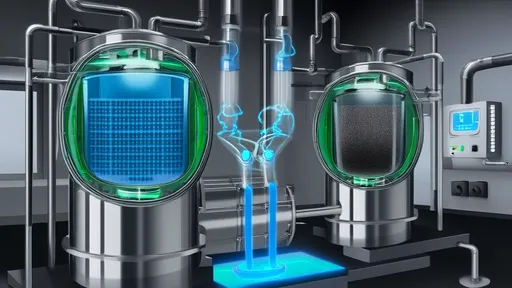
The core principle is elegantly simple. Specialized bacteria, known as electrogenic bacteria, are placed in the anode chamber of a fuel cell. As these microbes naturally consume the organic pollutants in wastewater—the very stuff we want to remove—they perform their metabolic processes. The fascinating part is that these bacteria release electrons as a byproduct of breaking down the waste. In a conventional treatment plant, this energy is simply lost as heat. In an MFC, we capture it. These electrons travel through an external circuit to the cathode chamber, creating a direct electric current. It's a closed-loop system where the "food" for the bacteria is the pollutant itself.
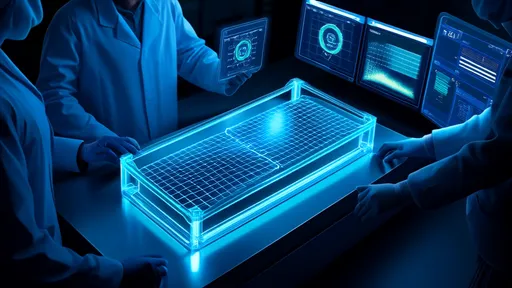
So, how do you actually build one of these systems? A typical lab-scale MFC consists of two chambers separated by a proton exchange membrane. The anode chamber, where the wastewater and bacteria reside, is kept in an anaerobic environment. This is crucial because it forces the bacteria to use the electrode as their terminal electron acceptor. The cathode chamber is typically aerobic, exposed to air or supplied with oxygen. The key is the electrode material. Researchers are constantly testing new, cost-effective materials like carbon felt or modified stainless steel to improve conductivity and bacterial adhesion. The setup isn't overly complex, but scaling it up while maintaining efficiency is the real engineering challenge.
The dual benefit is what makes MFCs so compelling. On one hand, you get effective wastewater treatment. Studies have shown Chemical Oxygen Demand removal rates exceeding 80-90%, which is competitive with some conventional methods. On the other hand, you harvest power. While the electrical output is currently low—often enough to power small sensors or LEDs—the value isn't just in the electricity generated. It's in the massive reduction in operational energy. Traditional activated sludge plants are energy hogs, often accounting for a significant portion of a city's electricity bill. An MFC system could drastically cut or even eliminate that external energy demand.
Of course, it's not all smooth sailing. The biggest hurdle right now is power density. The current generated from a single MFC unit is modest, and stacking them to increase voltage introduces its own set of complexities and costs. Then there's the matter of the proton exchange membrane. While effective, these membranes are expensive and can foul over time, requiring maintenance. The search is on for cheaper, membrane-less designs or more durable alternatives. The initial capital cost for a full-scale plant is also a significant barrier to widespread adoption, though the long-term operational savings are a powerful incentive.
Let's look at a real-world scenario to see its potential. A food processing plant generates wastewater rich in organic matter, which is perfect fuel for MFCs. Instead of paying to have this water treated, the company could install an on-site MFC system. The system would clean the water to a standard suitable for non-potable reuse, like irrigation or cooling, while simultaneously generating power to run the plant's low-energy monitoring systems. This creates a circular economy on-site, reducing both water disposal costs and electricity purchases from the grid. It's a practical, bottom-line application that makes business sense.
Many people assume the goal is to power entire cities from sewage, but that's a misunderstanding of the current technology's role. The immediate, practical application is in powering the treatment process itself. Think of the aeration tanks in conventional plants—they consume enormous amounts of electricity to pump air. An MFC-based system doesn't require that kind of intensive aeration, leading to massive energy savings. The power generated can then run control systems, sensors, and data loggers, making the treatment plant partially or fully self-powered for its operational needs. This is a more achievable and still revolutionary outcome.
Beyond the technical specs and power outputs, this technology invites us to change our perspective on waste. We've spent over a century designing systems to make waste disappear. MFCs represent a new philosophy: to see waste as a misplaced resource. This shift in thinking is as important as the technological breakthrough itself. It fosters innovation in other areas and encourages the design of systems that are inherently restorative, rather than just less damaging. The true value may be in teaching us how to work with natural processes, not against them.
So, where is this all headed? The path forward involves material science to create cheaper, more efficient electrodes, and genetic engineering to enhance the electron-transfer capabilities of the bacteria themselves. The vision is a future where wastewater treatment plants are transformed from energy sinks into local power stations. They could become resource recovery hubs, producing clean water, electricity, and even nutrients from the waste stream. The journey from lab bench to mainstream won't be quick, but the potential to turn a universal cost center into a productive asset makes it a pursuit worth our full attention and investment. Start by re-evaluating what you consider "waste"—you might just be looking at an untapped power source.