Genetically Edited Cotton Yield Increases by 50%"
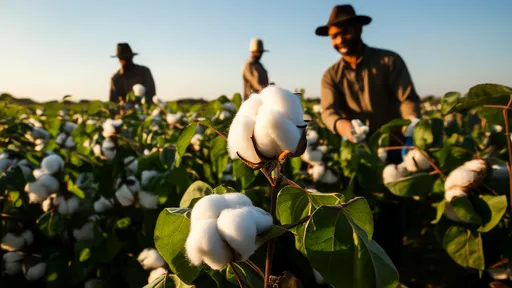
Imagine a cotton field stretching to the horizon, its fluffy white bolls shimmering under the sun. Now picture that same field producing half again as much cotton, using the same resources, on the same land. This isn't a futuristic fantasy; it's the tangible reality being ushered in by breakthroughs in gene editing. For decades, cotton yields have plateaued, with farmers and scientists battling the limits of conventional breeding. The pressure to produce more fiber for a growing global population, while conserving water and arable land, has never been greater. But a quiet revolution is unfolding in laboratories, where tools like CRISPR are being deployed not just to tweak, but to fundamentally redesign cotton's genetic blueprint for unprecedented productivity.
The core of this breakthrough lies in moving beyond traditional genetic modification. Instead of introducing foreign genes, scientists are making precise, surgical adjustments to the plant's own DNA. One primary target has been a gene that controls the plant's architecture. By fine-tuning this gene, researchers have successfully engineered cotton plants that are more compact and bushier, allowing them to support a significantly higher number of bolls without collapsing under their own weight. It's a structural upgrade that directly translates to more harvestable fiber per acre. This isn't about making a giant plant; it's about creating a more efficient one.
Beyond plant shape, a major focus has been on the cotton boll itself. Think of a boll as a factory; the goal is to make that factory larger and more productive. Gene editing has been used to manipulate genes responsible for boll size and the number of seeds per boll. Early field trials have shown plants developing bolls that are not only larger but also packed with more lint. This directly tackles one of the most fundamental yield components. It's like upgrading from a compact car to a pickup truck for hauling cotton—each unit simply carries more.
Perhaps the most ingenious application involves the plant's internal hormone signaling, particularly related to a hormone called auxin. Auxin plays a crucial role in fruit setting and retention. In many cotton varieties, a significant number of young bolls are naturally shed before they mature, a frustrating waste of the plant's energy. By editing genes in the auxin pathway, scientists have managed to significantly reduce this boll shedding. The plant holds onto more of its potential fruit, ensuring that a greater proportion of flowers actually turn into harvestable cotton. It's a simple yet powerful concept: stop the waste, and you automatically increase the final yield.
Of course, a high-yielding plant is useless if it's dead. This is where gene editing demonstrates its multifaceted value. The same precision tools used to boost yield are also being deployed to fortify the plant's defenses. Researchers are editing genes to enhance natural resistance to devastating pests like bollworms and diseases like Fusarium wilt. A plant that doesn't have to expend immense energy fighting off pests and pathogens has more resources to dedicate to growing strong, abundant fiber. This creates a virtuous cycle of health and productivity, making the 50% yield increase a stable and reliable target, even under real-world field pressures.
The implications of this leap in productivity are staggering. For the average cotton farmer, a 50% yield increase isn't just a nice statistic; it's a transformative shift in economic viability. It means the potential for significantly higher income from the same plot of land, providing a crucial buffer against volatile market prices and rising input costs. This boost can be the difference between merely surviving and genuinely thriving, especially for smallholder farmers who form the backbone of the cotton industry in many developing nations.
On a global scale, the environmental benefits are profound. Producing 50% more cotton from existing farmland drastically reduces the pressure to clear new land for agriculture, a major driver of deforestation and habitat loss. It also means that the same amount of water, fertilizer, and pesticides can now produce a much larger harvest, effectively reducing the environmental footprint of each bale of cotton. In an era of intense scrutiny on the sustainability of fashion's supply chain, gene-edited cotton offers a powerful tool for reconciling high production with ecological responsibility.
Looking ahead, the journey doesn't stop at 50%. The initial success has opened up a new frontier of possibilities. Scientists are now exploring genes linked to drought tolerance and nitrogen use efficiency. The goal is to create a next-generation cotton plant that not only yields more but does so with less water and less fertilizer, thriving in conditions that would stress conventional varieties. This research is paving the way for a crop that is not just productive, but also incredibly resilient and adaptable to a changing climate.
This genetic revolution in cotton is more than a technical achievement; it's a paradigm shift for one of the world's most important crops. It demonstrates a future where we can meet human demand not by exploiting more of the planet, but by innovating smarter with what we already have. The promise of gene-edited cotton is a testament to human ingenuity's power to solve pressing global challenges, one precise edit at a time.