Virtual Power Plant Integrates Solar Energy from Millions of Households
Imagine this: millions of households across the country are quietly generating solar power on their rooftops. For years, this energy has largely served individual homes, with any excess often going underutilized. But what if we could pool all that distributed power into a single, coordinated network? That's exactly what virtual power plants are starting to achieve, and the implications are staggering. We're not just talking about individual homes saving on electricity bills anymore—we're looking at a fundamental shift in how entire grids operate. By the end of this piece, you'll understand how this technology works, why it's becoming critical for modern energy systems, and what it means for everyday solar owners. The Rise of Distributed Energy and the Grid's New Challenge As solar panel installations hit record numbers year after year, we're facing a curious problem: too much of a good thing.
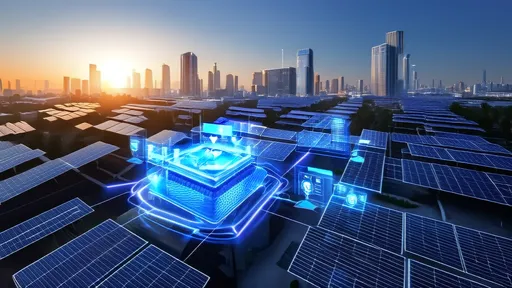
Traditional power grids were designed for one-way electricity flow—from large power plants to consumers. Now, with millions of homes feeding energy back into the system, utilities are struggling to manage the unpredictability. Sunny days can create massive power surges that overwhelm local infrastructure, while cloudy periods still require traditional power plants to ramp up. This seesaw effect makes grid management incredibly complex and expensive. Virtual power plants emerge as the elegant solution to this very modern dilemma, turning potential grid problems into valuable grid assets. How Virtual Power Plants Actually Work At its core, a virtual power plant is a cloud-based platform that coordinates thousands of distributed energy resources.
Think of it as an air traffic control system for electricity. When the grid needs extra power during peak demand, the VPP sends signals to participating homes to draw from their batteries or adjust smart thermostats. During surplus periods, it can instruct systems to store energy for later use. The technology relies on sophisticated software that forecasts energy demand, weather patterns, and participant availability. Homeowners typically install smart inverters and energy management systems that communicate seamlessly with the VPP operator. This isn't some distant future concept—utilities in California, Australia, and Germany are already running successful VPP programs that have prevented blackouts and reduced infrastructure costs.
The Homeowner's Perspective: Benefits Beyond Bill Savings For the average household with solar panels, joining a virtual power plant program transforms their rooftop system from a cost-saving investment into a revenue-generating asset. Participants receive compensation for the power their systems provide to the grid during critical times. One California homeowner reported earning nearly $2,000 annually just by allowing their Powerwall batteries to support the grid during heat waves. Beyond the financial incentive, there's the satisfaction of contributing to community resilience. When Texas faced grid emergencies during winter storms, VPP participants helped prevent wider blackouts by collectively reducing demand.
The setup requires minimal effort—once enrolled, the system operates automatically through secure communications. Common Misconceptions About Participation Many homeowners hesitate to join VPP programs due to misconceptions about reliability and control. Some worry they'll be left without power when they need it most, but this isn't how modern VPPs operate. Participants set their comfort parameters—like maintaining at least 40% battery reserve for emergencies—and the system never dips below these thresholds. Others assume the installation requires expensive new equipment, but most existing solar-plus-storage systems already contain the necessary technology. The real barrier isn't technical—it's awareness. Utilities need to better communicate that VPP participation is opt-outable at any time and doesn't compromise home energy security.
Scaling Up: The Infrastructure Requirements Connecting millions of disparate energy systems requires robust digital infrastructure. Each participating home needs a smart inverter that can communicate with grid operators, plus a secure internet connection for data transmission. The VPP software itself uses artificial intelligence to predict energy patterns and optimize dispatch commands. Utilities must upgrade their control systems to handle bidirectional power flows and real-time data processing. Interestingly, the communication standards have become remarkably standardized—most systems now use the SunSpec Alliance protocols, making interoperability between different manufacturers' equipment much smoother than it was just five years ago. Real-World Success Stories and Measurable Impact In South Australia, a virtual power plant connecting 50,000 homes has become the country's largest power generator during peak events—without building a single new power plant.
The program has reduced grid stabilization costs by 34% and prevented multiple potential outages. Meanwhile, in Vermont, Green Mountain Power's VPP demonstrated its value during a January cold snap when it delivered 18 MW of power back to the strained grid—enough to power approximately 7,000 homes. These aren't isolated experiments anymore; they're proven models that are scaling rapidly. The Australian Energy Market Operator now regularly includes VPP capacity in its official electricity forecasts and planning documents. The Psychological Shift: From Consumers to Prosumers Perhaps the most profound change virtual power plants enable is the transformation of homeowners from passive energy consumers to active grid participants. This shift in identity—from simply using power to helping manage its flow—creates a different relationship with energy consumption.
People start paying closer attention to their energy patterns, become more invested in grid reliability, and often become advocates for cleaner energy in their communities. This psychological dimension is frequently overlooked in technical discussions about VPPs, but it's crucial for long-term adoption. When people see themselves as part of the solution, they're more likely to embrace the behavioral changes that make these systems work effectively. Looking Ahead: The Future of Community Energy Virtual power plants represent just the beginning of a much broader transformation in how we produce and consume energy. As electric vehicles become more prevalent, their batteries will join these networks, creating even more flexible resources.
Blockchain technology is being tested for peer-to-peer energy trading within VPP networks, allowing neighbors to buy and sell power directly. The ultimate vision is a fully democratized energy system where every home with solar panels, batteries, or EVs becomes a node in a resilient, self-healing grid. This isn't about replacing traditional utilities—it's about creating partnerships that make the entire system more robust, efficient, and sustainable for everyone. The beauty of virtual power plants lies in their simplicity: they make better use of what we already have. Instead of building expensive new infrastructure, we're learning to coordinate existing resources more intelligently. For homeowners, this means turning solar investments into ongoing revenue streams. For communities, it means greater resilience against power outages and extreme weather. And for the planet, it means accelerating our transition to clean energy without compromising reliability. The technology is here, the economic models are proven, and the benefits are tangible—what we need now is the collective will to scale these solutions to their full potential.