A Journey Through the Floating Community: Schools and Markets on the Mekong River
The Mekong River, a lifeline for millions in Southeast Asia, cradles communities that have adapted to its ebb and flow for generations. Among these are the floating villages, where life unfolds on water in ways both practical and poetic. Recently, I had the opportunity to visit one such community, where a floating school and market serve as the vibrant heart of daily existence. The experience was a revelation—a glimpse into a world where resilience and ingenuity thrive atop the river’s ever-shifting surface.
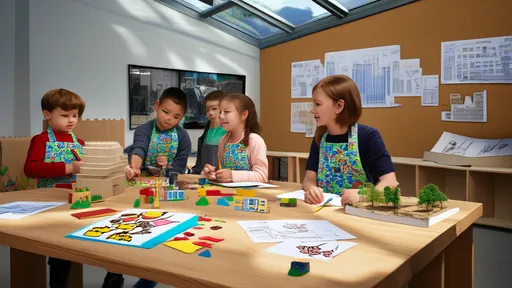
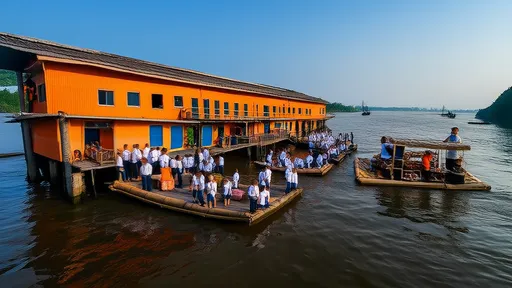
Approaching the village by boat, the first thing that strikes you is the sheer adaptability of the structures. Houses, shops, and even gardens seem to float effortlessly, tethered to the riverbed yet swaying gently with the current. The school, a bright blue wooden structure with a corrugated metal roof, stands out immediately. Its walls are adorned with children’s drawings, and the sound of laughter and recitation spills out onto the water. Here, education is not just a routine but a small miracle—a testament to the community’s commitment to its children’s future.
The floating market, a short boat ride away, is a symphony of colors and sounds. Vendors paddle their boats laden with fresh produce, fish, and handmade goods, calling out to potential buyers in a melodic dialect. The air is thick with the scent of ripe mangoes, fried dough, and the faint tang of the river. Unlike the static markets on land, this one moves, shifts, and adapts, reflecting the fluidity of life on the Mekong. Bargaining is brisk but good-natured, and the exchange of goods feels like a dance—one that has been perfected over centuries.
What makes this floating community extraordinary is not just its physicality but its spirit. The people here have turned the challenges of living on water into opportunities. The school, for instance, operates on a flexible schedule, accommodating the rhythms of the river and the needs of families who rely on fishing or farming. Teachers double as mentors, guiding students through lessons that often incorporate practical skills like boat maintenance or net weaving. Education here is not abstract; it is deeply rooted in the reality of their environment.
Similarly, the market is more than a place of commerce. It is a social hub, where news is exchanged, alliances are formed, and traditions are preserved. Older vendors teach younger ones the nuances of trade, passing down knowledge that no textbook could capture. The market also serves as a barometer of the river’s health—the variety and quantity of fish, for example, offer clues about the Mekong’s ecological state. In this way, the community is both a guardian and a beneficiary of the river.
Yet, life here is not without its struggles. The Mekong is increasingly unpredictable, its waters affected by climate change and upstream dams. Floods and droughts have become more frequent, testing the resilience of the floating villages. The school sometimes has to close when the river swells too high, and the market’s vitality wanes when fish stocks decline. But the community responds with a quiet determination, adjusting their ways and finding new solutions. Solar panels now dot some of the houses, and there are talks of introducing floating gardens to supplement food supplies.
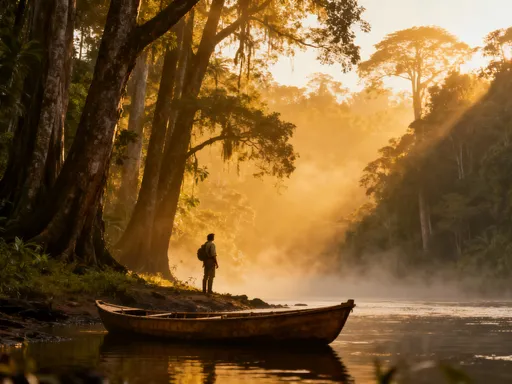
Spending time in this floating village leaves you with a profound sense of admiration. Here, the river is not just a backdrop but a partner in life’s journey. The school and the market are not just institutions but living, breathing entities that embody the community’s adaptability and hope. As the sun sets over the Mekong, casting golden ripples across the water, you realize that this way of life—fragile yet fiercely enduring—holds lessons for us all. In a world often obsessed with permanence, the floating village reminds us of the beauty and strength found in fluidity.
The story of this community is not just about survival; it is about thriving in harmony with nature. It challenges the notion that progress must mean conquering the environment, suggesting instead that true advancement lies in adapting to it. As I boarded the boat to leave, the children waved from their floating school, their voices carrying across the water. It was a sound full of promise—a reminder that even on the ever-changing Mekong, some things, like hope and community, remain steadfast.