Midnight Sun in the Arctic Circle
In the far northern reaches of our planet, where the Arctic Circle carves its invisible boundary across frozen landscapes, there exists a phenomenon that defies conventional understanding of day and night. The midnight sun, that perpetual daylight that bathes the polar regions in golden hues throughout what should be nighttime hours, represents one of nature's most magnificent contradictions. For those who have never witnessed it, the concept of sunlight at midnight seems almost mythical, yet for several weeks each summer, this celestial spectacle transforms the Arctic into a land where time appears to stand still and ordinary rhythms of life become beautifully distorted.
The scientific explanation behind this extraordinary occurrence lies in the Earth's axial tilt of approximately 23.5 degrees relative to its orbital plane around the sun. During the Northern Hemisphere's summer months, specifically around the June solstice, the North Pole leans directly toward our star, allowing sunlight to continuously illuminate regions within the Arctic Circle. This geographical reality means that the sun never fully dips below the horizon, instead tracing a circular path through the sky, creating what locals often describe as a day without night. The duration of this phenomenon varies depending on how far north one travels, with the most extreme cases experiencing nearly six months of uninterrupted daylight at the geographic North Pole itself.
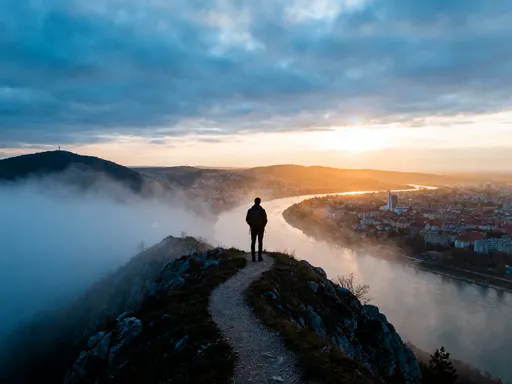
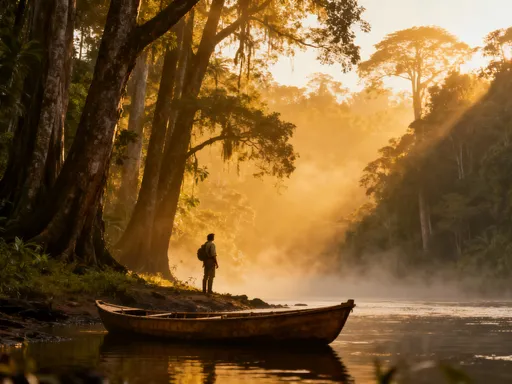
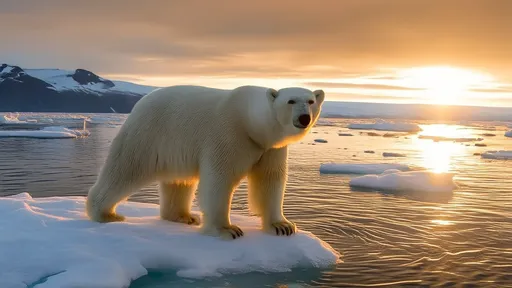
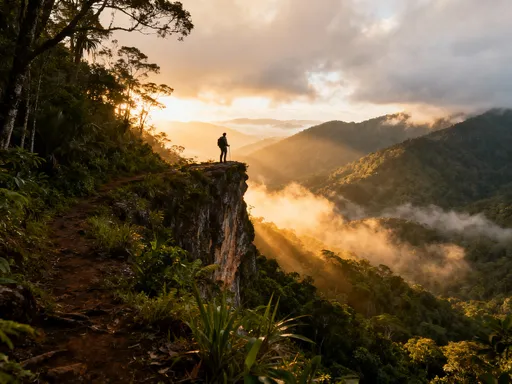
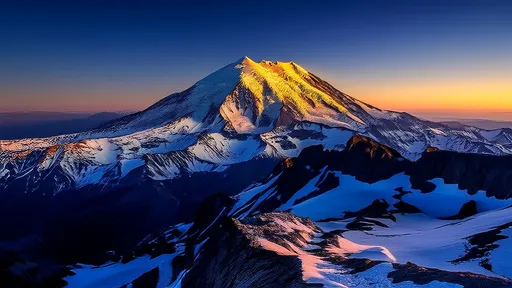
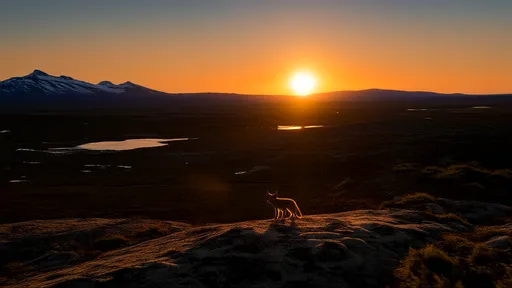
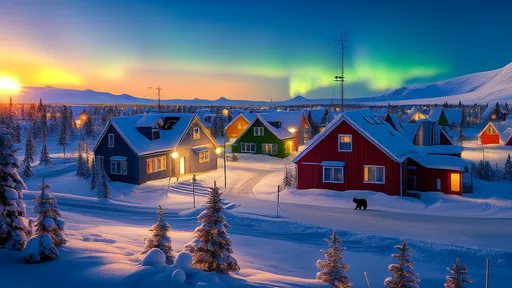
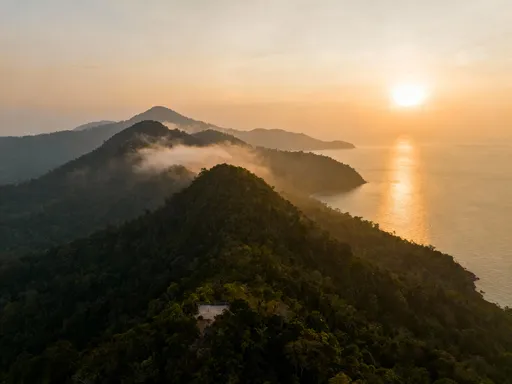
Travelers who venture to witness the midnight sun often describe the experience as profoundly disorienting yet spiritually uplifting. The quality of light during these perpetual days possesses a unique character, different from ordinary daylight. During what would typically be nighttime hours, the sun hovers low on the horizon, casting long, dramatic shadows and bathing the landscape in a warm, golden glow that photographers refer to as the "golden hour" extended indefinitely. This continuous soft light creates surreal landscapes where mountains appear to glow from within and the sea shimmers with an otherworldly radiance. The psychological impact of this endless day can be significant, with many visitors reporting difficulty sleeping despite blackout curtains, while simultaneously feeling energized by the constant sunlight.
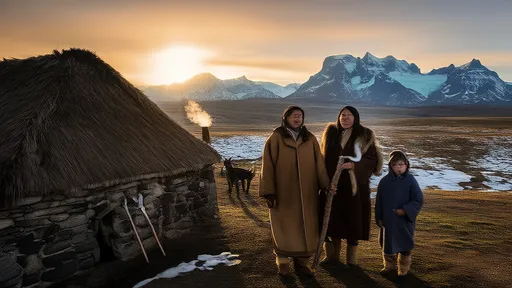
Indigenous communities across the Arctic have developed sophisticated cultural relationships with the midnight sun over millennia. Rather than viewing it as a scientific curiosity, these communities have woven the phenomenon into their cultural fabric, developing unique traditions, stories, and practical adaptations. The Sami people of northern Scandinavia, for instance, traditionally divided their summer days not by morning and evening, but by the sun's position in its circular journey across the sky. Similarly, Inuit communities developed seasonal calendars that acknowledge the midnight sun period as a time of abundant hunting and gathering, when the extended daylight allows for longer fishing trips and more successful hunting expeditions. These cultural adaptations demonstrate humanity's remarkable ability to harmonize with even the most extreme natural environments.
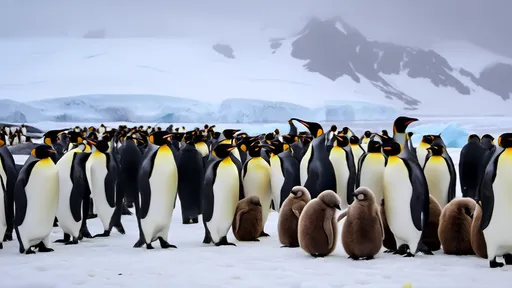
The biological world responds to the midnight sun with equally fascinating adaptations. Arctic plants, having waited through the long polar night, explode into frenzied growth during the continuous daylight, completing their entire reproductive cycle in a matter of weeks. Animals, too, adjust their behaviors dramatically. Reindeer and caribou take advantage of the endless days to continuously forage, building up crucial fat reserves for the coming winter. Bird species that migrate to the Arctic for breeding capitalize on the abundant light to hunt insects nearly around the clock, providing more food for their rapidly growing chicks. Even the region's smallest organisms, from soil bacteria to plankton, synchronize their metabolic activities with this period of perpetual light, creating a cascade of biological activity that sustains the entire Arctic ecosystem.
Modern scientific research has taken particular interest in how the midnight sun affects human physiology and psychology. Studies conducted in Arctic research stations have revealed complex changes in circadian rhythms, hormone production, and sleep patterns among those experiencing continuous daylight. The suppression of melatonin, the hormone that regulates sleep-wake cycles, leads to what scientists call "polar insomnia," yet many residents report periods of heightened creativity and productivity during these weeks. Interestingly, different individuals appear to adapt in remarkably different ways, with some embracing the endless day while others struggle significantly. This variability in human response highlights both the resilience and vulnerability of our species when confronted with environmental extremes.
For the adventurous traveler seeking to experience the midnight sun, several destinations offer particularly spectacular viewing opportunities. Norway's North Cape presents dramatic cliffside vistas where visitors can watch the sun circle the horizon without ever disappearing. Iceland's northern regions provide a more accessible option, with numerous tour operators offering midnight sun experiences against backgrounds of volcanoes and geothermal activity. Alaska's Utqiagvik (formerly Barrow) offers perhaps the most authentic American Arctic experience, complete with opportunities to learn from Iñupiat communities who have lived with this phenomenon for generations. Each destination provides not just a visual spectacle but a profound cultural experience that challenges our fundamental assumptions about time and nature's rhythms.
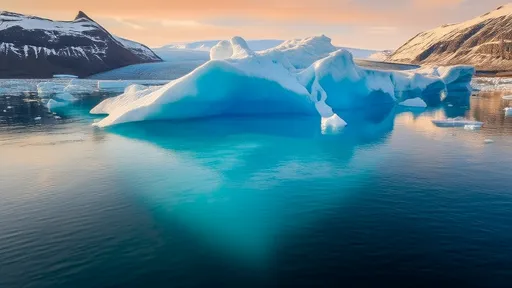
The changing climate has introduced new complexities to the midnight sun phenomenon. While the celestial mechanics remain unchanged, the physical environment beneath the endless summer sun is transforming rapidly. Reduced sea ice means more open water to absorb the continuous sunlight, potentially accelerating regional warming in what scientists call the ice-albedo feedback loop. The timing of biological events, from plant flowering to animal migrations, has begun shifting in response to earlier spring thaws, creating potential mismatches in ecological relationships that have evolved over millennia. These changes add urgency to the experience of witnessing the midnight sun, as the landscapes it illuminates may be fundamentally different for future generations.
Photographers and artists have long been drawn to the challenge of capturing the midnight sun's elusive beauty. The continuous daylight creates lighting conditions that conventional photography training hardly prepares one for. The low-angle sun creates extended periods of soft, directional light that landscape photographers particularly prize, while the sun's circular path through the sky enables unique compositional opportunities unavailable anywhere else on Earth. Many artists speak of the challenge of representing time itself in their midnight sun works, as the usual visual cues of time's passage—sunrise, noon, sunset—are absent, requiring more creative approaches to suggest duration and change within what appears to be a single, endless moment.
Beyond its visual spectacle and scientific interest, the midnight sun offers profound philosophical implications about our relationship with time and nature. In a world increasingly dominated by artificial schedules and digital distractions, the midnight sun presents an environment where natural cycles temporarily override human constructions of time. The experience forces a recalibration of one's internal clock, a slowing down, and an opportunity to observe nature's rhythms on their own terms rather than ours. Many who have spent time under the midnight sun describe returning south with a changed perspective, not just on time, but on humanity's place within the natural world—a reminder that our conventions of dividing days and nights are ultimately arbitrary constructions that nature can effortlessly transcend.
As our planet continues to change and the Arctic becomes increasingly accessible, the midnight sun remains one of Earth's most powerful natural wonders. It stands as a testament to the beautiful complexity of our planet's relationship with the sun, a relationship that manifests differently across the globe but reaches its most dramatic expression in these northern realms. Whether experienced as a scientific curiosity, an artistic inspiration, or a spiritual awakening, the midnight sun continues to captivate all who venture north to witness its otherworldly glow, reminding us that our planet still holds wonders capable of expanding our understanding of what's possible in the natural world.