The Transformation of a Mine Pit: From Abandoned Mine to Underground Botanical Garden
In the heart of a once-thriving mining region, an extraordinary transformation is taking place. What was once a gaping wound in the earth—a deserted mine that symbolized environmental degradation—is now being reborn as a lush underground botanical wonder. This ambitious project, blending ecological restoration with innovative architecture, is rewriting the narrative of post-industrial landscapes across the globe.
The story begins with the slow death of traditional mining towns. As resources depleted and operations ceased, these communities were left with toxic legacies: unstable terrain, contaminated groundwater, and landscapes scarred by decades of extraction. Yet visionaries saw potential where others saw only ruin. The concept of repurposing abandoned mines as subterranean gardens emerged from interdisciplinary collaborations between geologists, botanists, and environmental designers.
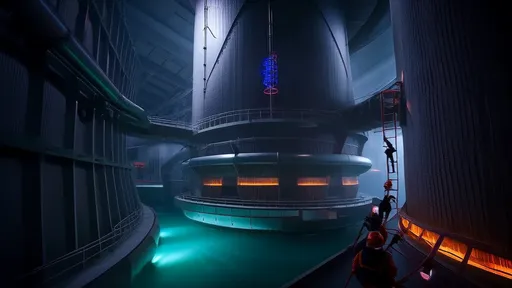
Deep beneath the surface, conditions that once challenged miners are proving ideal for plant cultivation. The constant temperature and humidity levels—often considered obstacles for human workers—create perfect microclimates for delicate species that struggle above ground. Engineers have installed specialized LED lighting systems that mimic solar spectrums, while hydroponic and aeroponic technologies allow plants to thrive without soil in the mineral-rich environment.
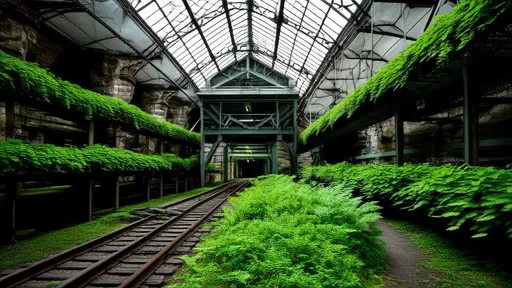
Walking through these underground conservatories today, visitors encounter a surreal juxtaposition. Rough-hewn rock walls covered in mineral deposits form natural backdrops for meticulously arranged vegetation. Tropical orchids cascade from former ore chutes, while edible mushrooms flourish in the cool darkness where miners once extracted coal. The air carries the earthy scent of growth rather than the acrid tang of explosives.
Beyond their botanical marvels, these transformed spaces serve as living laboratories. Researchers study how plants adapt to subsurface conditions, yielding insights that could revolutionize urban farming and space agriculture. The projects have also become unexpected economic engines, creating green jobs in regions that had faced economic collapse. Tourism revenues help sustain the facilities while educating the public about environmental stewardship.
The rehabilitation process presents formidable technical challenges. Teams must first stabilize crumbling shafts and tunnels, often using cutting-edge geopolymer injections that reinforce structures without introducing toxic materials. Water management systems carefully balance irrigation needs with the prevention of new contamination. Perhaps most crucially, the projects incorporate fail-safes to ensure these gardens never become ecological traps should climate conditions change.
Local communities have embraced these projects with surprising enthusiasm. Where miners once descended daily into darkness, schoolchildren now marvel at underground ecosystems. Elderly residents who remember the mines' operational days find poetic justice in seeing nature reclaim the spaces. The facilities host concerts and art exhibitions, their acoustics and ambiance offering unique cultural experiences.
Critics initially dismissed such projects as impractical vanity endeavors, but the data tells a different story. Monitoring shows significant improvements in local groundwater quality as plant roots help filter residual pollutants. Microclimate measurements demonstrate how the gardens moderate temperature extremes in surrounding areas. Perhaps most tellingly, property values in adjacent neighborhoods have begun rising after decades of decline.
The movement is gaining international attention, with similar projects underway from Wales to Western Australia. Each adapts to its unique geological and cultural context—some emphasize food production, others rare species preservation or educational outreach. What unites them is a shared vision: that humanity's industrial past need not dictate its ecological future.
As climate change accelerates, these underground gardens offer more than aesthetic redemption. They represent a blueprint for adapting infrastructure to new environmental realities. The same tunnels that once extracted fossil fuels now nurture carbon-sequestering plants. The ventilation systems designed to keep miners alive now circulate air for photosynthesis. In their quiet revolution, these spaces demonstrate how thoroughly our relationship with the underground must—and can—change.
Looking ahead, researchers speculate about even more radical possibilities. Could abandoned mines become vertical farms supplying entire cities with fresh produce? Might they serve as arks for biodiversity as surface climates become unstable? The answers may lie in these pioneering projects that have already achieved what seemed impossible: making deserts bloom where darkness once reigned.
For visitors walking the illuminated pathways beneath the earth's surface, surrounded by thriving vegetation where machinery once roared, the message is clear. Environmental repair is not about returning landscapes to some mythical pristine state, but about guiding them—and ourselves—toward unexpected new harmonies. In these remarkable spaces, the dichotomy between industrial and natural dissolves, revealing third possibilities we're only beginning to imagine.