Recycling Workshop: Pavilion Built from Plastic Bottles"
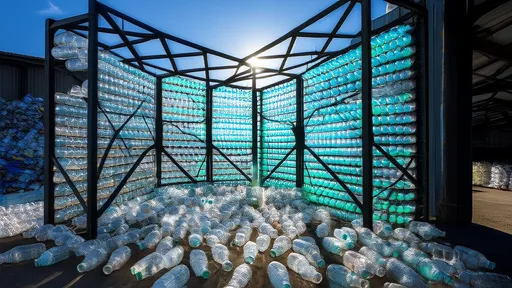
In a quiet corner of the city, where urban waste often overshadows green spaces, an unexpected structure rises—a pavilion built entirely from discarded plastic bottles. This innovative project, known as the "Recycled Plastic Pavilion," is the brainchild of a local environmental collective called the Waste Revival Workshop. What was once considered trash has now been transformed into a functional and aesthetically pleasing shelter, challenging conventional notions of construction materials and sustainability.
The idea emerged from a growing concern over the staggering amount of plastic waste flooding landfills and oceans. The Waste Revival Workshop, a group of architects, designers, and environmental activists, sought to address this issue by repurposing plastic bottles into something durable and useful. After months of experimentation, they developed a technique to bind thousands of plastic bottles into sturdy panels, which were then assembled into the pavilion’s framework. The result is a lightweight yet resilient structure that stands as a testament to creative recycling.
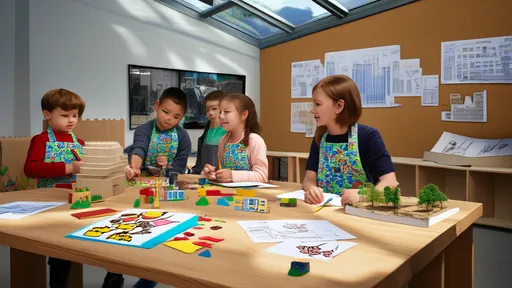
The pavilion’s design is as practical as it is symbolic. Its arched roof and open sides allow for natural ventilation, making it an ideal resting spot in the heat of summer. The translucent quality of the plastic bottles filters sunlight, casting a soft, dappled glow inside. Visitors often remark on the unexpected beauty of the space—how something so ordinary as a plastic bottle can create such an ethereal atmosphere. Beyond its visual appeal, the structure serves as a community hub, hosting workshops on recycling and sustainable living.
One of the most compelling aspects of the project is its scalability. The techniques used to construct the pavilion can be replicated in other communities with minimal resources. All that’s needed are discarded plastic bottles, a binding agent, and a bit of ingenuity. The Waste Revival Workshop has made their blueprints open-source, encouraging others to adapt the design for their own needs. Already, similar structures have begun appearing in neighboring towns, each with its own unique twist.
Critics initially questioned the durability of a structure made from plastic bottles, but time has proven its resilience. Despite exposure to rain, wind, and sun, the pavilion has remained intact, requiring only minor maintenance. This longevity has silenced skeptics and inspired further exploration into recycled building materials. Researchers from nearby universities have taken an interest, studying the pavilion’s structural integrity and potential applications in low-cost housing.
The project has also sparked conversations about consumer responsibility. By showcasing the potential of discarded materials, the Waste Revival Workshop forces people to reconsider their own waste habits. Visitors leave with a heightened awareness of plastic consumption, many vowing to reduce their reliance on single-use bottles. In this way, the pavilion serves not only as a physical space but also as an educational tool.
Local governments have taken notice. Several municipalities have reached out to the Waste Revival Workshop for collaborations on public projects. Talks are underway to incorporate recycled plastic into park benches, bus stops, and even playground equipment. What began as a small-scale experiment could soon influence urban planning on a broader scale, proving that sustainability and functionality can go hand in hand.
The success of the Recycled Plastic Pavilion highlights a larger truth: waste is only waste if we choose to discard it. With creativity and effort, even the most mundane objects can be given new life. As the Waste Revival Workshop continues to push boundaries, their pavilion stands as a beacon of possibility—a reminder that solutions to environmental challenges are often hiding in plain sight.