Fishing Net Recycling Program: Transforming Discarded Fishing Gear into Travel Backpacks"
The ocean has long been a source of sustenance and livelihood for coastal communities, but it has also become a dumping ground for discarded fishing gear. Abandoned nets, lines, and traps now account for a staggering portion of marine debris, entangling wildlife and polluting ecosystems. However, an innovative initiative called the Fishing Net Regeneration Project is turning this environmental crisis into an opportunity by transforming derelict fishing gear into stylish, durable travel backpacks.
Founded by a coalition of marine conservationists and sustainable designers, the project collects discarded fishing nets from coastal areas and partners with recycling facilities to process the material. The nylon fibers from these nets are cleaned, broken down, and spun into a high-quality yarn that serves as the foundation for the backpacks. What was once a threat to marine life now becomes a sustainable alternative to conventional luggage.
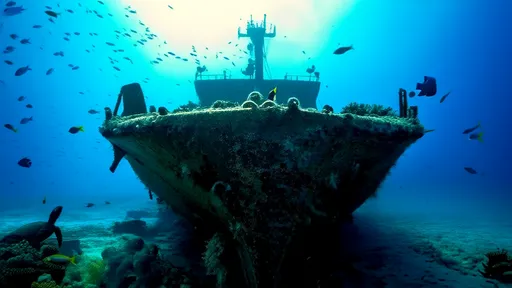
The process begins with local fishermen and divers, who retrieve ghost nets—lost or abandoned fishing gear—from the ocean floor. These nets, often weighing hundreds of pounds, are then transported to collection centers where they are sorted by material type. Since nylon is a highly durable synthetic fiber, it retains its strength even after years in the water, making it ideal for repurposing into rugged travel gear.
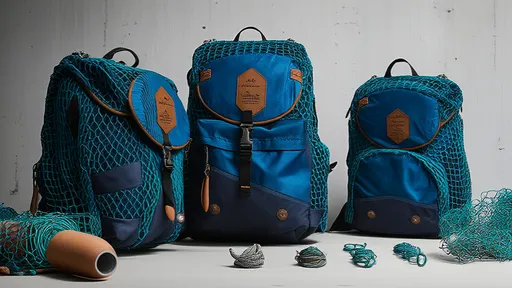
Once processed, the regenerated nylon is sent to ethical manufacturing units where skilled artisans craft the backpacks. The designs are both functional and fashionable, featuring reinforced stitching, water-resistant coatings, and ergonomic straps. Each backpack tells a story of transformation—from a destructive pollutant to a sustainable travel companion.
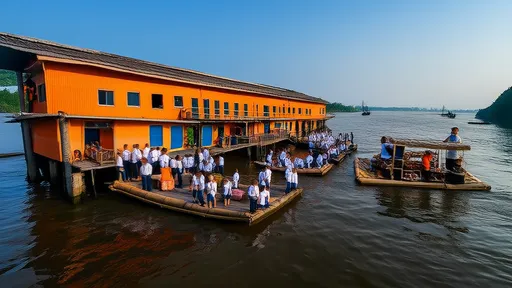
Beyond its environmental benefits, the project also supports coastal economies. Fishermen who participate in net retrieval receive fair compensation, while local workshops gain employment through the production process. This circular economy model ensures that communities directly benefit from cleaning up their own waters.
Consumers have responded enthusiastically to the initiative, with many praising the backpacks for their durability and eco-conscious appeal. Travelers who prioritize sustainability find these bags particularly appealing, as they align with a low-impact lifestyle. Some companies have even begun offering corporate versions, branded for eco-friendly businesses looking to reduce their environmental footprint.
Critics initially questioned whether the project could scale effectively, given the labor-intensive process of collecting and recycling fishing nets. However, advancements in sorting technology and increased corporate partnerships have allowed the initiative to expand. Today, the project operates in multiple countries, with plans to further grow its reach.
The success of the Fishing Net Regeneration Project highlights a broader shift in how society views waste. Rather than seeing discarded materials as trash, innovators are finding ways to give them new life. This mindset could pave the way for similar initiatives targeting other forms of ocean plastic, from bottles to packaging.
As awareness of marine pollution grows, so does the demand for sustainable alternatives. The project’s backpacks serve as a tangible reminder that environmental responsibility doesn’t have to come at the expense of functionality or style. By choosing products made from regenerated materials, consumers play an active role in reducing ocean waste.
Looking ahead, the team behind the initiative hopes to inspire other industries to adopt similar practices. If more companies embrace circular design principles, the impact on global waste streams could be transformative. For now, every backpack sold represents one less net in the ocean—and one more step toward a cleaner, healthier planet.