The Summit of Kilimanjaro
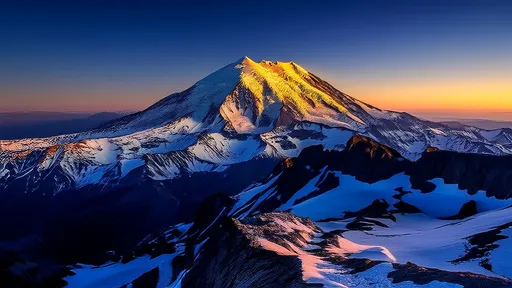
Mount Kilimanjaro stands as Africa's rooftop, a solitary sentinel rising from the Tanzanian plains. This dormant volcano, capped with eternal snow despite its equatorial location, has captivated explorers, writers, and adventurers for centuries. Unlike typical mountain ranges that form through tectonic collisions, Kilimanjaro emerged from volcanic activity, creating what geologists call a stratovolcano - a towering monument to Earth's fiery power now resting in peaceful slumber.
The mountain's name itself carries mystery and multiple interpretations. Many believe "Kilimanjaro" derives from the Swahili words for "mountain" and "whiteness," though local Chagga traditions suggest different origins. What remains undisputed is the mountain's profound cultural significance to the indigenous peoples who've lived in its shadow for generations, viewing it not just as a geological wonder but as a spiritual presence governing their lives and traditions.
Geological Formation and Unique Climate Zones
Kilimanjaro's formation began approximately three million years ago during the late Pliocene epoch. Three distinct volcanic cones - Shira, Mawenzi, and Kibo - emerged from the East African Rift Valley floor. Shira, the oldest, collapsed to form a plateau, while Mawenzi eroded into the rugged peak we see today. Kibo, the youngest and tallest, retains its volcanic shape and contains the famous crater with its inner Reusch Caldera and ash pit.
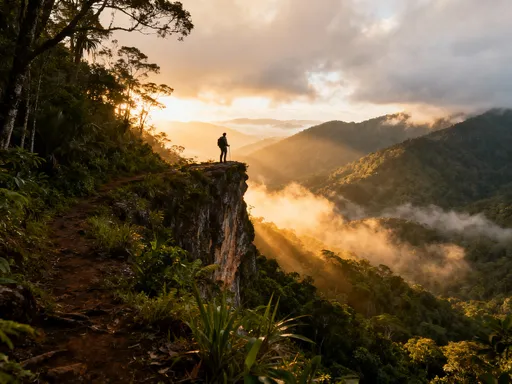
The mountain creates its own weather patterns, resulting in five distinct ecological zones that climbers traverse. The cultivated foothills give way to lush rainforests teeming with unique flora and fauna, including black-and-white colobus monkeys and exotic bird species. Above this lies the heath and moorland zone, characterized by giant groundsels and lobelias that seem like botanical relics from prehistoric times. The alpine desert follows, a stark landscape where only the hardiest life forms survive, leading finally to the arctic summit where glaciers cling to the crater rim despite global warming threats.
Historical Exploration and Cultural Significance
European discovery of Kilimanjaro dates to 1848 when German missionary Johannes Rebmann first reported seeing a snow-capped mountain near the equator, a claim initially met with skepticism by the Royal Geographical Society. Subsequent expeditions by Baron Carl Claus von der Decken and others confirmed Rebmann's observations, opening the floodgates for exploration.
The first successful summit came in 1889 when German geographer Hans Meyer and Austrian mountaineer Ludwig Purtscheller reached Uhuru Peak, the highest point on Kibo's crater rim. Their achievement required multiple attempts and the assistance of local guides, establishing patterns that would define Kilimanjaro climbing for generations to come.
For the Chagga people, Kilimanjaro represents more than a climbing challenge. The mountain features prominently in their creation myths and spiritual practices. Traditional beliefs hold that the mountain is home to spirits, and certain areas remain sacred sites where ceremonies are performed. Even today, many Chagga incorporate respect for the mountain into their daily lives, viewing themselves as its guardians rather than merely its inhabitants.
The Modern Climbing Experience
Contemporary Kilimanjaro expeditions combine adventure tourism with cultural immersion. Most climbers approach through the gateway town of Moshi, where outfitters prepare them for the week-long journey ahead. The mountain offers several established routes, each with distinct characteristics and difficulty levels.
The Marangu route, often called the "Coca-Cola route," provides hut accommodations and is considered the easiest path, though its rapid ascent profile contributes to lower success rates. The Machame route, nicknamed the "Whiskey route," offers more challenging terrain but better acclimatization opportunities. Other paths like Lemosho, Rongai, and the Northern Circuit provide varying experiences of the mountain's diverse ecosystems and crowd levels.
Success on Kilimanjaro depends less on technical climbing skill and more on proper acclimatization and pacing. The altitude presents the greatest challenge, with many climbers experiencing symptoms of acute mountain sickness. Professional guides emphasize the Swahili phrase "pole pole" (slowly slowly) as the key to reaching the summit, ensuring climbers conserve energy and adapt to decreasing oxygen levels.
Environmental Challenges and Conservation Efforts
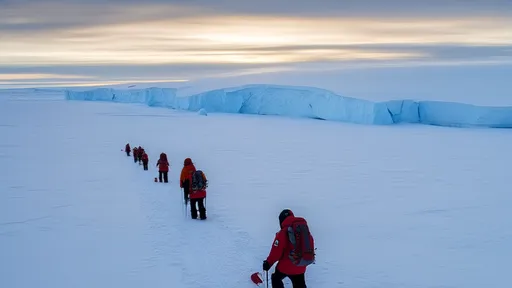
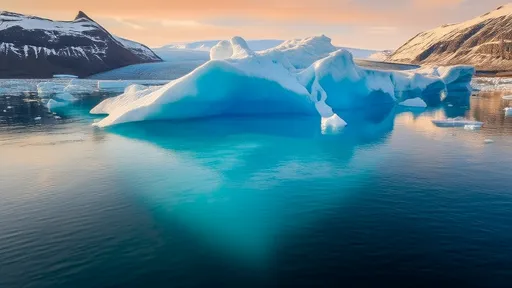
Kilimanjaro's iconic glaciers have become a symbol of climate change, having lost approximately 85% of their ice cover since 1912. Scientists predict complete disappearance of the ice fields within decades, transforming the mountain's appearance and affecting local water systems that depend on glacial melt.
Deforestation on the lower slopes presents another critical concern. Population growth has increased pressure on the mountain's resources, leading to forest clearance for agriculture and fuel. This not only threatens biodiversity but also affects the mountain's ability to generate its own rainfall, creating a feedback loop that exacerbates ecological degradation.
Conservation initiatives led by Tanzania National Parks Authority, in partnership with international organizations, focus on reforestation, sustainable tourism practices, and community education. The Kilimanjaro National Park implements strict regulations on waste management and visitor numbers, while carbon offset programs help fund conservation efforts. Local communities increasingly participate in ecotourism ventures that provide economic alternatives to destructive land use practices.
Cultural and Literary Legacy
Ernest Hemingway's short story "The Snows of Kilimanjaro" immortalized the mountain in Western literature, using it as a metaphor for unattained goals and mortality. The opening lines describing the frozen leopard carcass near the summit have become among the most famous in American literature, sparking endless speculation about their meaning.
Beyond Hemingway, Kilimanjaro has inspired countless works of art, music, and literature across cultures. Tanzanian artists frequently depict the mountain in paintings and carvings, while traditional songs and dances celebrate its presence in local life. The mountain serves as a unifying symbol for Tanzania, appearing on the country's currency and in numerous commercial logos.
Modern adventurers continue adding to Kilimanjaro's legend through remarkable feats. These include speed ascent records, disabled climbers conquering the peak, and unusual expeditions that test human endurance. Each successful climb adds another layer to the mountain's rich tapestry of human achievement.
The Future of Africa's Rooftop
As tourism continues growing, balancing conservation with accessibility remains Kilimanjaro's central challenge. Park authorities constantly refine management strategies to minimize environmental impact while maintaining the mountain's economic benefits for local communities. Technological advances in waste management, renewable energy at campsites, and monitoring systems help reduce the climbing footprint.
Climate change mitigation represents the mountain's most pressing long-term concern. While local conservation efforts help, global action to reduce greenhouse gas emissions ultimately determines Kilimanjaro's future. The disappearing glaciers serve as a powerful visual reminder of planetary changes that transcend national boundaries.
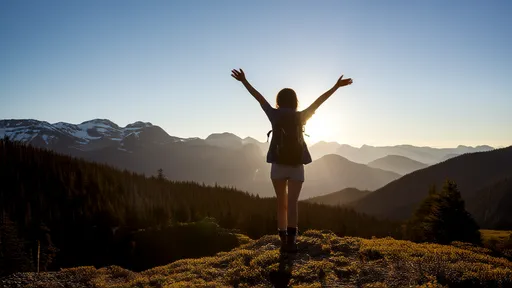
For those who undertake the journey, Kilimanjaro offers more than physical achievement. The mountain provides perspective on human scale in the natural world, cultural immersion in Tanzanian traditions, and personal transformation through overcoming challenges. As one of the Seven Summits, it represents both a mountaineering milestone and a profound encounter with Africa's soul.
The snows of Kilimanjaro, whether they endure or fade into memory, will continue inspiring wonder and respect. This volcanic giant remains a testament to Earth's dynamic history and humanity's enduring desire to reach for the heavens while remaining grounded in stewardship of our planet's precious resources.