Senior Tour Guides: Silver Generation's Urban Memory Inheritance
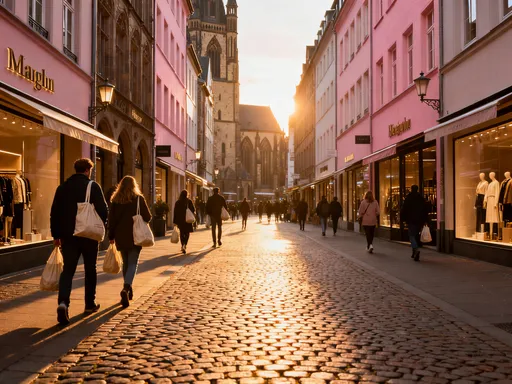
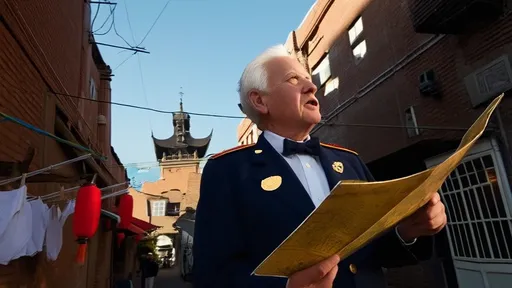
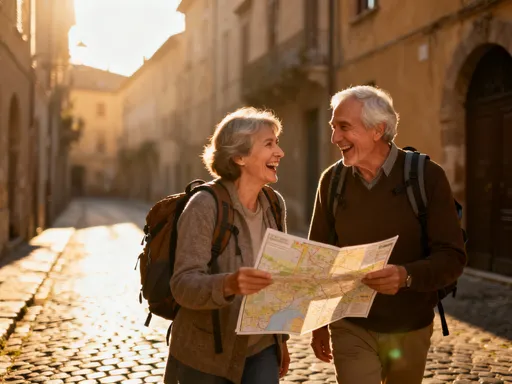
In the heart of our bustling cities, a quiet revolution is taking place as silver-haired storytellers reclaim their role as cultural custodians. These senior tour guides, with their lifetimes of accumulated wisdom, are transforming mundane city walks into vibrant tapestries of living history. Their creased faces light up as they point to a nondescript corner that once housed a beloved bakery, or trace the outline of a long-demolished cinema where young lovers once stole kisses in the back row.
The phenomenon of elder-led urban tours represents more than just an alternative travel experience—it's an intergenerational bridge built from shared memories. Unlike scripted tours delivered by professional guides, these walks pulse with personal anecdotes that make history breathe. Mr. Tan, a 72-year-old who leads walks through Singapore's vanishing shophouse districts, doesn't simply recite architectural facts. His voice cracks when describing how the neighborhood's communal spirit manifested during monsoon seasons, when neighbors would collectively bail out flooded ground floors.
What makes these silver guides extraordinary is their ability to contextualize urban transformation through lived experience. Where younger guides might describe a gentrified district's current hipster cafes, Mrs. Gonzalez in Barcelona traces the evolution of her El Born neighborhood from Franco-era repression through countercultural rebirth to tourist saturation. Her tours become time machines, with each cobblestone triggering stories about political protests, forbidden romances, and the scent of particular dishes that once wafted from basement kitchens.
The physical act of walking cities with elders also challenges ageist stereotypes about declining mobility and relevance. These guides navigate familiar terrain with the surefootedness of urban deer, often choosing routes that showcase both cherished landmarks and painful sites of memory. In Berlin, retired teacher Klaus incorporates his childhood experiences of division into tours along the former Wall's path, his shaking hands demonstrating how families would wave to each other across the death strip.
Memory becomes collaborative during these walks, with participants frequently contributing their own recollections. A walk through Hong Kong's Chungking Mansions led by 80-year-old Auntie Lai often turns into a collective unpacking of the building's layered history, as former residents and workers in the group share fragments that even she didn't know. This dynamic creates living archives that no museum exhibit could replicate.
Municipal tourism boards are gradually recognizing the unique value of these programs, though commercialization risks diluting their authenticity. The most successful initiatives, like Tokyo's "Obāchan no Machiaruki" (Grandma's Neighborhood Walks), maintain organic quality by letting guides set their own routes and stories rather than following corporate scripts. Many programs operate as social enterprises, with fees going directly to supplement the guides' pensions while keeping tours affordable.
The emotional resonance of these experiences often surprises participants. New York's "Seniors Show You Their Old Haunts" program frequently ends with tearful exchanges, as visitors realize they're not just learning about urban history but bearing witness to disappearing ways of life. When 78-year-old Ruby points out the former site of her favorite five-and-dime where she bought her first lipstick, she's not just marking geographical change—she's asserting the continued relevance of her generation's experiences.
As cities globally homogenize under development pressures, these elder guides become crucial counterweights to cultural amnesia. Their stories preserve not just what buildings stood where, but how urban communities actually lived, loved, and struggled in these spaces. The best programs intentionally pair senior guides with younger documentarians to ensure these oral histories aren't lost.
Perhaps most beautifully, these initiatives often spark late-life reinventions for the guides themselves. Former factory workers discover talents for public speaking, retired nurses find new purpose in sharing medical history walks, and widows rebuild social connections through regular guiding. The city streets they've walked for decades become stages for their hard-won wisdom, ensuring that personal and collective memories continue shaping how we understand our urban futures.