You Won’t Believe What’s Hiding in Plain Sight in Sofia
Sofia, Bulgaria, is more than just a capital city—it’s a treasure chest of architectural surprises. I stumbled upon courtyards, domes, and facades I never expected, blending Byzantine, Ottoman, and Soviet styles in ways that feel almost surreal. These aren’t just buildings; they’re stories frozen in stone. If you think Eastern Europe is all old churches and blocky apartments, think again—Sofia flips the script in the most beautiful way.
The Hidden Layers of Sofia’s Cityscape
Sofia’s cityscape unfolds like a palimpsest, where each era has rewritten the skyline without erasing what came before. Beneath the surface of modern sidewalks lie remnants of Serdica, the ancient Roman settlement that once thrived at the crossroads of Balkan trade routes. Columns from Roman temples peek through glass panels in the middle of boulevards, silent witnesses to a past when emperors walked these paths. As time moved forward, the Byzantine Empire left its mark in the form of small, domed churches with faded frescoes, while the Ottoman era introduced minarets, thermal baths, and narrow alleyways that still shape parts of the Old Town.
What makes Sofia unique is not the presence of these styles, but their coexistence. A Secession-style building from the early 20th century might stand directly across from a Socialist-era cultural center, yet the transition feels natural rather than jarring. This architectural harmony is no accident—it reflects the city’s identity as a resilient crossroads, shaped by empires but never fully defined by any one of them. The result is a visual narrative that invites curiosity, rewarding those who pause to look beyond the surface.
Even the city’s modern developments respect this layered legacy. New commercial buildings often incorporate stone cladding or arched entrances that echo traditional Balkan design, ensuring they blend rather than dominate. Architects in Sofia frequently consult historical records before breaking ground, preserving facades or integrating archaeological findings into new constructions. This careful balance between progress and preservation means that every corner of the city, from the bustling downtown to quiet residential lanes, carries a sense of continuity and depth.
Secret Courtyards and Forgotten Facades
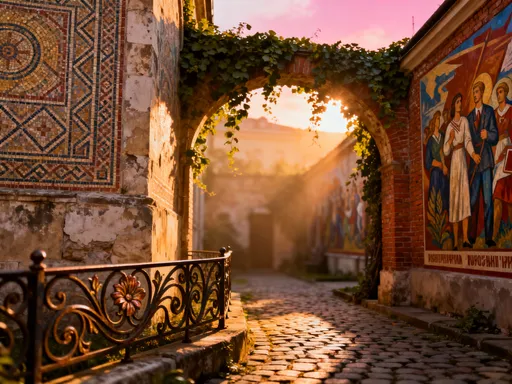
Behind unassuming metal doors and weathered entryways, some of Sofia’s most enchanting spaces remain hidden from casual passersby. These interior courtyards—often accessible only by walking through narrow hallways or climbing a single flight of stairs—offer a glimpse into the city’s quieter, more intimate side. Many date back to the interwar period, when middle-class families built homes with central atriums designed for light, air, and community. Today, these spaces are adorned with ivy-covered walls, mosaic tile floors, and wrought-iron balconies that showcase the craftsmanship of a bygone era.
One such courtyard, tucked within a 1920s residential block near the National Theatre, features hand-painted floral tiles arranged in geometric patterns along its perimeter. Local residents gather here in the late afternoon, children play between the flower beds, and cats nap on sun-warmed stone benches. There is no signage, no admission fee—just a living space maintained by the people who call it home. Finding these courtyards requires no special app or tour guide, only a willingness to wander slowly and notice details: a slightly ajar gate, a splash of color behind a wrought-iron fence, or the sound of water from a forgotten fountain.
Photographers and architects have long prized these hidden oases, but their true value lies in their authenticity. Unlike curated museums or restored landmarks, these courtyards are not preserved for display—they are lived-in, evolving spaces where history and daily life intertwine. Some have been revitalized through community efforts, with neighbors pooling resources to repair crumbling stonework or replant greenery. Others remain untouched, their beauty softened by time and neglect, offering a poignant reminder that beauty does not require perfection.
Where East Meets West—Architectural Fusion Zones
The neighborhoods of Oborishte and Lozenets serve as living laboratories of architectural fusion, where design elements from Eastern and Western traditions blend seamlessly. In these tree-lined districts, it’s common to see a Neoclassical villa with symmetrical columns and a grand portico standing next to a house featuring steep Balkan rooflines and wooden eaves designed to shed heavy snow. Further down the same street, an Orthodox church may incorporate Ottoman-style arches or a portico supported by slender stone columns reminiscent of Islamic architecture.
This blending is not random—it reflects centuries of cultural exchange. During the Ottoman period, which lasted nearly five centuries in Bulgaria, local builders adapted imperial styles to suit regional materials and climates. When Bulgaria regained independence in the late 19th century, architects looked to Western Europe for inspiration, particularly Vienna and Budapest, leading to a wave of Secession and Art Nouveau construction. Yet, even as they embraced new aesthetics, designers retained local touches: thick stone walls for insulation, small interior courtyards for privacy, and decorative woodwork influenced by folk traditions.
Today, modern architects continue this legacy of synthesis. New residential projects in these neighborhoods often reinterpret traditional forms using contemporary materials. A recent housing development, for example, features modern apartments with arched windows framed in handmade ceramic tiles, echoing the patterns found in historic bathhouses. These designs do not mimic the past—they converse with it, creating a built environment that feels both familiar and forward-looking. For visitors, walking through these areas is like reading a visual dialogue between centuries, where each building contributes a sentence to a larger story of adaptation and identity.
Soviet-Era Giants with a Twist
The vast housing blocks of Sofia’s Communist era are often dismissed as monotonous and soulless, but a closer look reveals a different truth. While these prefabricated panel buildings—known locally as panelki—were constructed quickly to address postwar housing shortages, they have since become the backdrop for remarkable acts of reinvention. What was once a symbol of uniformity has evolved into a canvas for individuality, community, and creative adaptation.
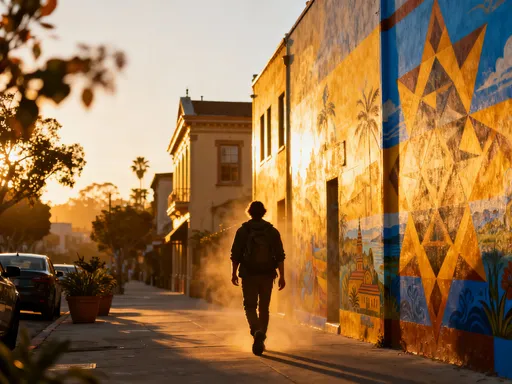
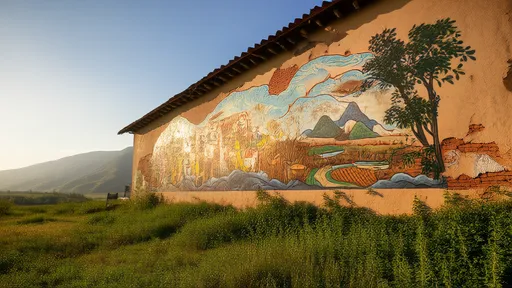
In districts like Mladost and Druzhba, residents have transformed the gray facades with vibrant murals, climbing plants, and rooftop gardens. Community-led initiatives have turned abandoned ground-floor units into neighborhood cafes, art studios, and co-working spaces. In the LDK housing estate, one of the largest residential complexes in the city, a network of resident associations has established shared green spaces, playgrounds, and even small urban farms. These efforts have softened the rigid geometry of the original design, introducing warmth and life into environments once criticized for their sterility.
Architects and urban planners now view these neighborhoods not as problems to be demolished, but as opportunities for sustainable redevelopment. Renovation projects focus on improving insulation, updating infrastructure, and adding energy-efficient windows while preserving the structural integrity of the buildings. Some complexes have introduced vertical gardens or solar panel installations, aligning with modern environmental standards. Far from being relics of a forgotten past, these Soviet-era structures are proving to be adaptable, durable, and deeply integrated into the fabric of everyday life in Sofia.
Religious Architecture That Defies Labels
Sofia’s skyline is shaped as much by its spiritual landmarks as by its secular ones, yet the city’s sacred buildings resist easy categorization. The Alexander Nevsky Cathedral, with its gleaming gold domes and Neo-Byzantine grandeur, is often the first stop for visitors. But beyond this iconic monument lie quieter, older testaments to faith and endurance. Beneath a glass floor in the city center lies the St. George Rotunda, a 4th-century red-brick church that predates most of Europe’s great cathedrals. Its simple, cylindrical form and surviving frescoes speak to a time when Christianity was still taking root in the Balkans.
Equally striking is the Banya Bashi Mosque, still an active place of worship, with its Ottoman-era dome and hexagonal fountain in the courtyard. Unlike many historic mosques in the region, it has remained in continuous use since the 16th century, serving as a bridge between past and present. What is remarkable is not just the survival of these sites, but their proximity to one another. Within a ten-minute walk, one can visit an Orthodox cathedral, a Catholic church, a mosque, and a synagogue—each distinct in style, yet coexisting peacefully in the urban landscape.
This architectural diversity reflects a deeper history of religious coexistence. Under Ottoman rule, Sofia was home to Muslims, Christians, and Jews who lived in separate quarters but shared the same markets, baths, and public spaces. Many religious buildings were constructed using similar techniques and materials, leading to subtle stylistic overlaps. A stone carving on a church might resemble a decorative motif from a mosque; a bell tower might echo the form of a minaret. These visual echoes are not signs of imitation, but of shared craftsmanship and mutual influence in a city where boundaries were often porous.
Modern Twists on Tradition
Contemporary architecture in Sofia does not turn its back on the past—in fact, it often draws from it with reverence and creativity. A new generation of Bulgarian architects is reinterpreting traditional elements in fresh, sustainable ways. Ceramic tiling, once used only for roofs and floors, now appears in public art installations and building facades. Arched windows and stone carvings are reimagined in minimalist designs that feel both modern and rooted. These choices are not nostalgic gestures, but deliberate efforts to maintain a sense of place in an increasingly globalized world.
One of the most ambitious projects embodying this philosophy is the ongoing reconstruction of the Central Bathhouse area. Once home to the city’s grand Ottoman-era hamam, the site had fallen into disrepair before being redeveloped into a cultural and wellness complex. The new design preserves the original domes and thermal pools while integrating modern amenities, including a museum of urban history and a public garden. The exterior combines traditional stone masonry with glass and steel, creating a dialogue between old and new that is both respectful and innovative.
Other developments follow a similar approach. A new library in the city center features a façade inspired by Bulgarian folk embroidery, with laser-cut metal panels that cast intricate shadows throughout the day. A residential tower near the National Palace of Culture incorporates wooden latticework reminiscent of traditional mountain homes, adapted for energy efficiency and wind resistance. These buildings demonstrate that modernity need not mean erasure—instead, progress can be built on memory, creating spaces that honor the past while serving the needs of the present.
How to Explore Like a Local Architect
To truly appreciate Sofia’s architectural richness, one must shift from sightseeing to seeing—observing not just landmarks, but the spaces between them. The best way to begin is on foot, starting in the city center and moving outward in widening loops. Early morning is ideal, when the soft light enhances textures and colors, and the streets are free of crowds. A recommended route begins at the St. Nedelya Church, continues past the Rotunda of St. George, and winds through the pedestrian zone toward the National Art Gallery, where subtle details in the façades reveal layers of restoration and reuse.
Several free mobile apps offer self-guided architectural walks, complete with historical photos and 3D reconstructions of how buildings appeared in different eras. These tools help users visualize changes over time, such as how a Roman wall became part of a medieval monastery or how a Communist-era department store was converted into a mixed-use complex. However, no app can replace the insights gained from conversation. Sitting at a neighborhood café, asking a local about the history of their building, or simply observing how people interact with their environment can yield unexpected discoveries.
Respect is essential when exploring private or residential spaces. While many courtyards are open to quiet visitors, it is important to move quietly, avoid intrusive photography, and never block pathways. The goal is not to collect photos for social media, but to cultivate a deeper understanding of how architecture shapes daily life. By slowing down, looking closely, and engaging with the city’s rhythms, travelers can experience Sofia not as a destination, but as a living, breathing story—one written in stone, tile, and light.
Sofia doesn’t shout its beauty—it whispers it through cracked walls, golden domes, and quiet courtyards. Its architecture isn’t about perfection; it’s about resilience, layer by layer. To walk its streets is to witness history not as a lesson, but as a lived experience. The real secret? The city reveals itself only to those who look closely.