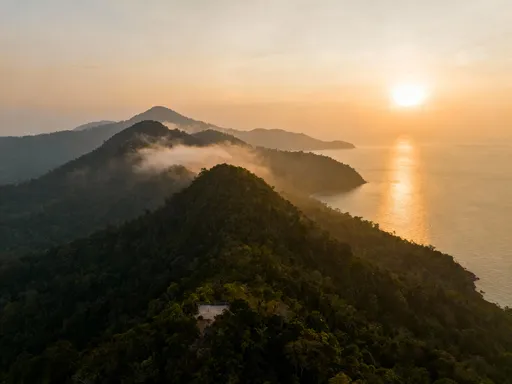
Svalbard City Midnight Sun
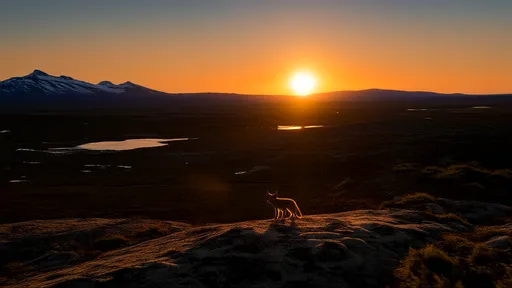
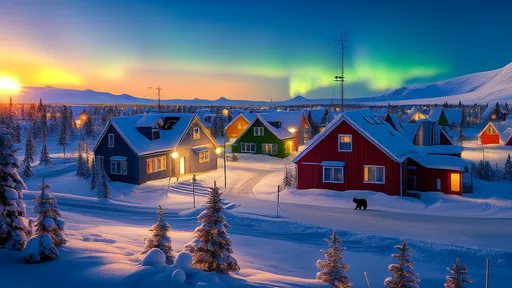
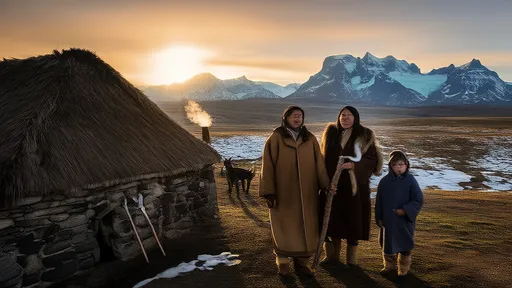
In the remote archipelago of Svalbard, where the Arctic Ocean meets the Norwegian Sea, lies the world's northernmost settlement with a permanent population—Longyearbyen. This unique town, named after American industrialist John Munro Longyear, becomes the stage for one of nature's most breathtaking phenomena each year: the midnight sun. For approximately four months, from late April to late August, the sun refuses to set, casting an eternal golden glow over the dramatic landscape of mountains, glaciers, and frozen tundra.
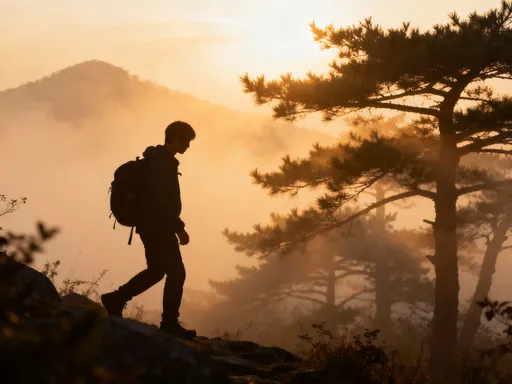
The midnight sun transforms Longyearbyen into a place where conventional timekeeping becomes almost irrelevant. Locals and visitors alike find themselves hiking at 2 AM, having barbecues in the perpetual daylight, and losing track of time in the most delightful way. The constant illumination creates a surreal atmosphere where the boundaries between day and night blur into nonexistence. Children play outside long after what would normally be bedtime, while researchers continue their fieldwork uninterrupted by darkness. The entire community adapts to this extraordinary period with blackout curtains becoming essential household items and sleep patterns adjusting to the endless daylight.
This continuous daylight profoundly impacts both the human experience and the natural world. The Arctic flora explodes in a frantic burst of growth during these months, with plants completing their entire life cycle in the brief summer. The wildlife, particularly the iconic Svalbard reindeer and Arctic foxes, take advantage of the extended feeding opportunities. Meanwhile, the human inhabitants develop what locals call "polar summer energy"—a heightened state of activity and productivity fueled by the constant sunlight. The psychological effect is remarkable, with many reporting increased creativity and motivation, though some newcomers struggle with the disorientation of timelessness.
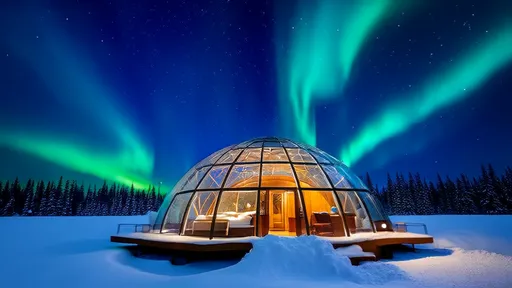
Longyearbyen's relationship with light defines its identity in ways that extend beyond the midnight sun period. During the polar night from late October to mid-February, the town experiences the opposite extreme—complete darkness, broken only by the magical dance of the Northern Lights. This dramatic seasonal shift creates a community deeply attuned to the rhythms of light and darkness. The contrast between the two extremes shapes everything from architecture to social customs, with buildings designed to maximize light during the dark months and community events scheduled according to the sun's availability.
The town's infrastructure has evolved to accommodate these unique light conditions. Special lighting systems mimic natural daylight patterns in public buildings to help maintain circadian rhythms. The hospital and research stations have developed protocols for managing sleep disorders related to the extreme light variations. Even the local school adjusts its schedule throughout the year, with outdoor activities concentrated during the daylight months and indoor projects emphasized during the polar night. This adaptive approach demonstrates human ingenuity in the face of extraordinary environmental conditions.
Scientific research flourishes under the endless sun, with international teams conducting studies that would be impossible elsewhere. The clear Arctic air and continuous daylight create ideal conditions for atmospheric research, while glaciologists monitor the surrounding ice fields around the clock. Biologists study the unique adaptations of Arctic species to constant light, and astronomers paradoxically benefit from the summer months to calibrate equipment in preparation for the dark winter skies. The research community becomes particularly active during this period, with field stations operating 24 hours and data collection occurring uninterrupted.
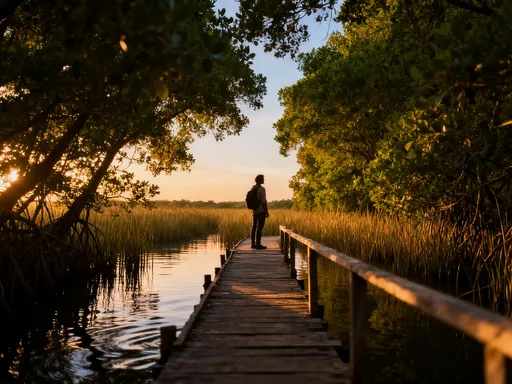
Tourism during the midnight sun season offers experiences found nowhere else on Earth. Visitors can take boat tours through the fjords at midnight, hike across glaciers in the soft golden light of the early hours, or simply sit outside a cozy cabin watching the sun circle the horizon without ever dipping below it. The local guides have developed specialized knowledge about how to help visitors adapt to the strange temporal reality, offering advice on sleep management and helping travelers make the most of their timeless adventure. The tourism industry has learned to embrace the surreal quality of the season, offering activities that celebrate rather than fight against the endless day.
Cultural life in Longyearbyen undergoes a transformation during the midnight sun. The community hosts festivals and events that take full advantage of the perpetual daylight, including outdoor concerts that last through the night and art exhibitions inspired by the unique quality of Arctic light. Local artists speak of the midnight sun as both muse and challenge, describing how the constant illumination affects their perception of color and form. The town's galleries fill with works that attempt to capture the ethereal quality of light that never fades, while writers find themselves productive during the sleepless nights.
Living under the midnight sun requires particular attention to health and wellbeing. Medical professionals in Longyearbyen have developed expertise in managing the effects of extreme light conditions on human physiology. They recommend maintaining regular routines despite the absence of darkness, using artificial means to create darkness for sleep, and being mindful of the potential for overexertion during the energy-filled summer months. The community has developed collective wisdom about thriving in this environment, passing down strategies from long-term residents to newcomers and constantly refining their approach to living with extreme light.
The economic rhythm of the town syncs perfectly with the solar cycle. During the midnight sun period, all industries—from mining to tourism to research—operate at maximum capacity. The harbor remains active around the clock, supply ships arrive at all hours, and construction projects extend their working days to take advantage of the natural light. This intensive summer activity creates a distinctive annual pattern where the community stores up resources and accomplishments before the winter darkness necessitates a different pace of life. The midnight sun essentially creates two different towns throughout the year, each with its own character and tempo.
Environmental changes add urgency to the experience of the midnight sun. Scientists monitoring the Arctic climate note how the warming temperatures affect the quality and perception of the continuous daylight. The retreating glaciers and changing snow patterns alter the reflection and absorption of sunlight, creating new light conditions each year. Longyearbyen residents witness climate change firsthand through these subtle shifts in their eternal summer, making them particularly aware of the fragility of their unique light environment. This awareness fuels the community's strong commitment to sustainability and environmental protection.
The social dynamics of the town evolve interestingly during the sunlit months. The constant daylight encourages outdoor gatherings and spontaneous social interactions. People spend more time in public spaces, community bonds strengthen through shared experiences of the extraordinary season, and the population becomes more active and interconnected. At the same time, the lack of darkness can sometimes lead to tension as people struggle with sleep deprivation or the pressure to be constantly productive. The community has developed sophisticated social mechanisms for managing these challenges, creating a culture that balances the exuberance of endless day with the need for rest and privacy.
As the midnight sun period draws to a close in late August, the community prepares for the return of darkness with mixed emotions. The first sunset after four months of continuous daylight becomes a significant community event, marked by gatherings and reflection. People speak of feeling both relief at the return of normal circadian rhythms and nostalgia for the magical summer light. This transition period represents one of the many adaptations that make life in Longyearbyen unique—a constant dance with extreme natural phenomena that shapes every aspect of existence in the high Arctic.
Longyearbyen stands as a testament to human adaptability and the enduring fascination with light. The midnight sun represents not just a natural phenomenon but a way of life that has shaped the community's identity, economy, and culture. In this town where the sun never sets, residents and visitors alike discover new perspectives on time, light, and human resilience. The experience of endless day becomes a metaphor for the community itself—vibrant, enduring, and illuminated by one of nature's most spectacular displays.