Shipwreck Coral Reef: A Diving Paradise for Artificial Reefs
Beneath the ocean’s surface lies a hidden world where history and marine life intertwine—shipwrecks transformed into thriving coral reefs. These artificial reefs, born from maritime disasters or deliberate sinkings, have become some of the planet’s most extraordinary diving destinations. Offering a unique blend of adventure, ecology, and haunting beauty, these underwater time capsules attract divers from across the globe.
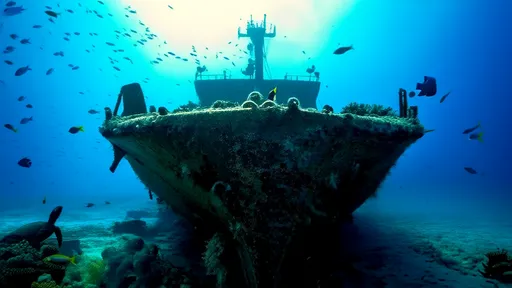
What makes shipwreck reefs so fascinating is their dual identity. Once vessels of human ambition, they now serve as sanctuaries for marine life. Coral colonies cling to rusted hulls, schools of fish dart through crumbling passageways, and octopuses make their homes in darkened cabins. The juxtaposition of man-made structures and natural marine ecosystems creates an underwater spectacle unlike any other.
The Transformation Process: From Wreck to Reef
The journey from shipwreck to thriving reef is a remarkable ecological process. When a vessel sinks, it immediately becomes an oasis in the underwater desert. The bare metal and structure provide the perfect foundation for marine organisms to settle. Within days, tiny invertebrates begin colonizing the surface. Within months, small fish arrive to feed on these new residents. Years later, corals establish themselves, and the wreck becomes indistinguishable from natural reefs.
This transformation isn’t just fascinating—it’s vital for marine conservation. As natural reefs face threats from climate change and human activity, artificial reefs provide crucial alternative habitats. They help redistribute marine populations and take pressure off stressed natural ecosystems. Many coastal communities now intentionally sink decommissioned ships to create these underwater havens, carefully preparing the vessels to ensure they’re safe for divers and marine life alike.
Legendary Wreck Dives Around the World
Certain shipwreck reefs have achieved legendary status among divers. The SS Thistlegorm in Egypt’s Red Sea remains one of the most famous, its cargo holds still packed with wartime supplies. Belize’s Great Blue Hole features several submerged aircraft, while Florida’s Spiegel Grove was intentionally sunk to create an artificial reef and now teems with marine biodiversity.
Each wreck tells its own story. Some, like Chuuk Lagoon’s Ghost Fleet in Micronesia, serve as underwater museums of World War II history. Others, like Australia’s SS Yongala, have become such integral parts of the marine ecosystem that they’re now protected marine parks. The depth, visibility, marine life, and historical significance vary from site to site, offering divers endless opportunities for exploration.
The Diving Experience: Adventure Meets Conservation
Diving a shipwreck reef is a profoundly different experience from exploring natural coral formations. There’s the thrill of penetration—swimming through interior spaces that were never meant to be underwater. The play of light through portholes creates dramatic visual effects, while the sheer scale of some wrecks can be humbling. Advanced divers often undergo special training to safely navigate these complex environments.
Beyond the adrenaline rush, wreck diving fosters a deep appreciation for marine conservation. Seeing firsthand how marine life repurposes human structures changes perspectives on humanity’s relationship with the ocean. Many dive operators combine wreck expeditions with conservation initiatives, allowing participants to assist with reef monitoring or cleanup efforts.
Planning Your Shipwreck Dive Adventure
Successful wreck diving requires careful preparation. Divers must consider their certification level—many interesting wrecks lie at depths requiring advanced training. Local regulations vary significantly; some wrecks are protected historical sites where touching or removing artifacts is strictly prohibited. Seasonality matters too, as weather conditions dramatically affect visibility and accessibility.
The best wreck diving experiences often come through local operators who know the sites intimately. They can advise on the ideal times to visit specific wrecks to avoid crowds or witness particular marine behaviors. Many top wreck diving destinations offer multi-day liveaboard options, allowing enthusiasts to visit several sites in a single trip.
The Future of Wreck Reef Conservation
As artificial reef programs expand globally, new opportunities emerge for both marine conservation and dive tourism. Modern sinking projects are more sophisticated than ever, with careful consideration given to placement, depth, and vessel preparation. Some incorporate research stations or are designed specifically to study reef development.
These underwater attractions also face challenges. Managing diver traffic to prevent damage, controlling invasive species that sometimes colonize wrecks, and preserving historical integrity while allowing ecological development all require careful balance. The diving community plays a crucial role in this by following sustainable practices and supporting conservation efforts.
From their haunting beauty to their ecological importance, shipwreck reefs represent one of diving’s most compelling experiences. They remind us that even human tragedies can transform into something life-giving beneath the waves. For those willing to take the plunge, these underwater museums offer adventures that resonate long after surfacing.