Aurora Glass Igloo
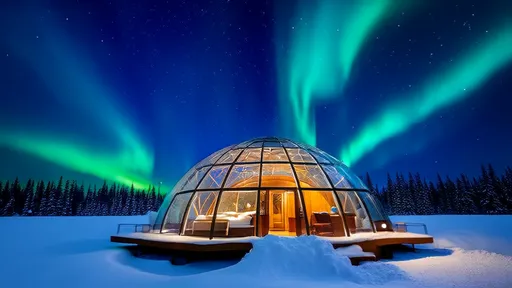
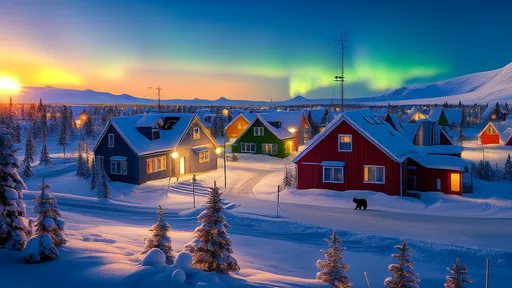
As the last light of the Arctic sunset fades into an inky blue twilight, something magical begins to happen across the northern skies. The aurora borealis, that celestial dancer of charged particles and solar winds, starts painting its otherworldly patterns above the snow-covered landscapes. And beneath this cosmic spectacle, a new breed of travelers are experiencing nature's greatest light show from the comfort of their glass-roofed sanctuaries.
The concept of glass igloos emerged not as a luxury trend, but from practical necessity. Finnish photographer Eero Lintunen recalls the early days of northern lights tourism. We'd spend hours standing in freezing temperatures, our cameras pointed at the sky while our toes went numb. One night, watching tourists shiver despite their thermal gear, I thought - there must be a better way to witness this magic. That simple realization sparked a revolution in Arctic hospitality that would eventually spread across Norway, Sweden, Finland, and Iceland.
Modern glass igloos represent an engineering marvel that balances transparency with insulation. The secret lies in special thermal glass that maintains crystal clarity even when outdoor temperatures plummet to -30°C. Each dome undergoes rigorous testing to ensure no heat escapes while providing unobstructed 360-degree views. The glass contains microscopic layers of metallic oxide that reflect interior heat back inside while allowing maximum light transmission. This technological innovation means guests can lie in warm beds, watching the aurora's green ribbons dance across the star-filled sky, without ever feeling the Arctic chill.
Beyond the technical achievements, these structures represent a philosophical shift in how we experience wilderness. There's something profoundly humbling about being surrounded by nature's raw power while maintaining physical comfort, explains Swedish architect Lars Magnusson, whose firm has designed several prominent glass hotels. It creates a unique space for contemplation - you're simultaneously protected from and connected to the elements. This delicate balance between shelter and exposure taps into something primitive in the human psyche, reminding us of our ancestral relationship with the night sky.
The experience of staying in these crystalline dwellings varies dramatically with the seasons. During winter months, guests become aurora hunters, with many establishments offering specialized wake-up services that alert visitors when the lights appear. The best locations employ local guides who understand the subtle science and folklore behind the phenomenon. In summer, the midnight sun transforms these spaces into brilliant observation decks for watching the endless daylight play across mountain ranges and fjords.
Environmental considerations have become central to the glass igloo movement. Most operators now implement sophisticated sustainability measures, from geothermal heating systems to advanced waste management. The Snowhotel in Kirkenes, Norway, powers its glass cabins entirely through solar panels during summer months and uses snow from the previous winter for cooling. This commitment to eco-tourism reflects the broader Scandinavian ethos of living in harmony with nature.
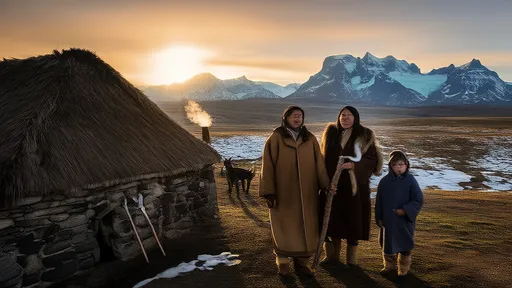
The cultural impact of these structures extends beyond tourism. Indigenous Sámi communities in northern Scandinavia have begun collaborating with glass hotel operators to offer authentic cultural experiences. Visitors can learn about traditional reindeer herding, sample Arctic cuisine, and hear ancient stories about the northern lights from those whose ancestors have lived beneath them for millennia. This cultural exchange benefits both travelers seeking deeper connections and local communities preserving their heritage.
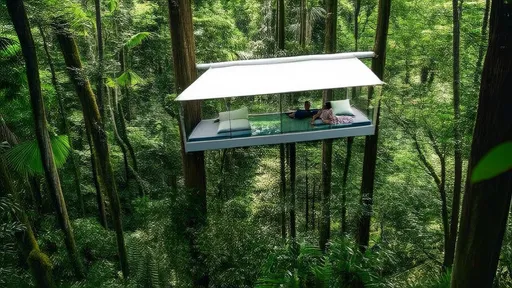
From a design perspective, no two glass accommodations are identical. The iconic Kakslauttanen Arctic Resort in Finnish Lapland features both glass igloos and larger glass-roofed log cabins, each positioned to maximize celestial viewing. Norway's Tromsø area offers sophisticated glass cubes perched on mountainsides, while Sweden's Treehotel incorporates glass rooms suspended among pine forests. The diversity of designs demonstrates how architects are interpreting the basic concept through different cultural and environmental lenses.
The future of glass accommodation continues to evolve with new technological integrations. Some newer properties feature automated roofs that can clear snow accumulation, while others incorporate augmented reality systems that identify constellations and explain the science behind auroral displays. The next generation may include mobile glass pods that can be transported to remote locations for truly isolated northern lights viewing, though this raises new questions about preserving wilderness integrity.
For those planning their Arctic glass adventure, timing remains crucial. The northern lights season typically runs from late August to early April, with peak visibility during the colder months from December through March. However, travelers should note that cloud cover and solar activity play significant roles in visibility. Many experienced aurora chasers recommend longer stays to increase chances of witnessing spectacular displays, with four to five nights being ideal for reliable viewing opportunities.
The psychological impact of these experiences often surprises visitors. There's something transformative about spending nights watching the cosmos unfold above you. The combination of extreme natural beauty, comfortable isolation, and celestial wonder creates conditions for genuine perspective shifts. Many visitors report returning home with renewed appreciation for our planet's delicate place in the universe and strengthened commitment to environmental stewardship.
As the northern lights tourism industry grows, questions about sustainable development become increasingly important. The very fragility that makes these locations special - pristine Arctic environments, dark skies free from light pollution, undisturbed wildlife habitats - faces pressure from growing visitor numbers. Responsible operators are addressing these challenges through limited capacity, strict environmental protocols, and educational programs that emphasize conservation alongside recreation.
The glass igloo phenomenon represents more than just innovative accommodation; it symbolizes humanity's enduring fascination with the night sky and our evolving relationship with wild places. These transparent shelters serve as bridges between modern comfort and ancient wonder, allowing us to witness one of nature's most spectacular displays without sacrificing the warmth and security that make extended observation possible. As technology advances and our understanding of sustainable tourism deepens, this unique form of Arctic hospitality will continue offering new ways to connect with the planet's most magical light show.
What began as a simple solution to cold feet has blossomed into a global phenomenon, drawing visitors from every continent to experience the Arctic's celestial magic. The success of glass igloos demonstrates our fundamental desire to engage with natural wonders on meaningful terms - not as distant observers, but as comfortable participants in Earth's greatest performances. As the northern lights continue their eternal dance across polar skies, these crystalline dwellings ensure that more people than ever can witness their beauty while developing deeper appreciation for the fragile environments that make such magic possible.