Desert Cold Storage: Cold Storage Fresh-keeping Techniques in No-Electricity Environments
In the heart of arid landscapes where electricity is scarce, an innovative solution has emerged to tackle the challenge of food preservation. The desert cold storage system, a marvel of engineering, harnesses the power of nature to keep perishables fresh without relying on conventional energy sources. This breakthrough is transforming lives in remote communities, offering a sustainable alternative to traditional refrigeration.
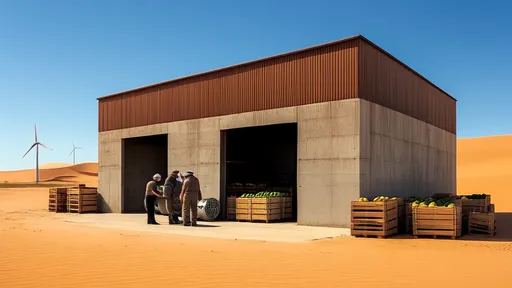
The concept revolves around passive cooling techniques that utilize the desert's unique climate. By combining thermal mass materials with clever architectural design, these structures maintain low temperatures even during scorching days. The key lies in the strategic use of evaporative cooling and underground insulation, creating a natural refrigerator that requires no moving parts or external power supply.
Local communities have embraced this technology with remarkable results. Farmers can now store their harvest for extended periods, reducing post-harvest losses that previously threatened their livelihoods. The system's simplicity makes it accessible to populations with limited technical knowledge, while its durability ensures long-term functionality in harsh environmental conditions.
Researchers have documented temperature differentials of up to 20°C between the interior of these storage units and the outside air during peak daylight hours. This performance rivals some electrically powered coolers, proving that innovation can sometimes outpace conventional technology when addressing specific environmental challenges.
The construction typically involves locally sourced materials, keeping costs minimal and promoting regional economic activity. Thick walls of compressed earth or stone provide thermal mass, while carefully designed ventilation systems facilitate air circulation. Some advanced versions incorporate phase-change materials that absorb heat during the day and release it at night, further stabilizing internal temperatures.
Beyond food preservation, these desert cold storage units have shown potential for medical applications. Vaccines and temperature-sensitive medications can be safely stored in remote clinics, dramatically improving healthcare delivery in underserved areas. This secondary benefit underscores the technology's far-reaching impact on community wellbeing.
As climate change intensifies desertification in various regions, the relevance of such solutions continues to grow. Development agencies have begun scaling the technology across multiple countries, adapting designs to local conditions and cultural preferences. The success stories emerging from these implementations provide compelling evidence of appropriate technology's power to transform lives.
The environmental benefits complement the economic and social advantages. With zero carbon emissions and no reliance on fragile power grids, these systems represent a truly sustainable approach to cold storage. They demonstrate how working with nature, rather than against it, can yield practical solutions to pressing global challenges.
Field tests in various desert regions have revealed interesting variations in performance based on specific designs. Some units incorporate solar chimneys to enhance airflow, while others use different combinations of insulating materials. This diversity of approaches allows for continuous improvement as builders share knowledge across communities.
Training programs have become an essential component of implementation strategies. Local artisans learn not only construction techniques but also basic principles of thermal dynamics, empowering them to modify and improve designs based on firsthand experience. This knowledge transfer ensures the technology's longevity and adaptability.
Financial models supporting widespread adoption have shown remarkable creativity. Microfinance initiatives enable smallholder farmers to invest in shared storage facilities, while cooperative ownership structures make the technology accessible to even the most resource-constrained communities. The relatively low maintenance requirements further enhance the systems' economic viability.
Looking ahead, researchers are exploring ways to integrate these passive cooling systems with renewable energy sources for hybrid applications. Some experimental units now feature small solar panels to power fans that enhance airflow during particularly stagnant periods, demonstrating how traditional wisdom can complement modern technology.
The cultural impact of this innovation deserves recognition. By valuing indigenous knowledge and combining it with scientific understanding, developers have created a solution that respects local traditions while delivering tangible improvements to quality of life. This respectful approach has proven crucial in gaining community acceptance and ensuring proper use of the technology.
Measurement and evaluation efforts continue to provide valuable data about the systems' performance. Sensors tracking temperature, humidity, and food preservation rates generate empirical evidence that guides refinements in design and operation. This data-driven approach ensures continuous improvement while building credibility among potential adopters.
As word spreads about this successful innovation, similar concepts are being adapted for other extreme environments. Researchers are investigating how the principles might apply to high-altitude regions or tropical climates, potentially expanding the technology's reach to new populations facing refrigeration challenges.
The story of desert cold storage offers important lessons about sustainable development. It reminds us that sometimes the most effective solutions come from observing nature's patterns and working within environmental constraints rather than fighting against them. As the world seeks answers to pressing food security and climate challenges, such innovations point the way toward resilient, appropriate technologies that serve people and the planet simultaneously.