Svalbard Polar Bear
In the stark white expanse of the High Arctic, where the midnight sun gives way to the polar night, a magnificent predator reigns supreme. The Svalbard polar bear, a distinct population of Ursus maritimus, embodies the raw and unforgiving spirit of the far north. Unlike their cousins further south, these bears have carved out an existence in one of the planet's most remote and challenging environments, the Svalbard archipelago. This isolated cluster of islands, situated deep within the Arctic Circle, serves as both a sanctuary and a battleground for these iconic creatures, whose fate is inextricably linked to the sea ice that defines their world.
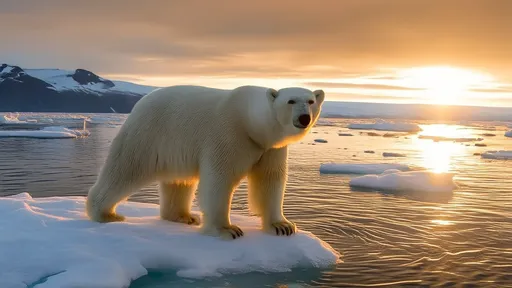
The very identity of the Svalbard polar bear is forged by the ice. They are creatures of the marine realm, their scientific name meaning "maritime bear." Their survival is a masterclass in adaptation. A thick layer of blubber, sometimes exceeding four inches, insulates them from the biting cold, while their dense, water-repellent fur appears white to our eyes but is, in fact, made of translucent hollow hairs that channel sunlight directly to their black skin, aiding in heat absorption. Their massive, dinner-plate-sized paws act as natural snowshoes for distributing their weight on thin ice and as powerful paddles for swimming vast distances in the frigid ocean. For generations, this physiological blueprint has been perfect for a life spent roaming the frozen sea in search of their primary prey, the ringed seal.
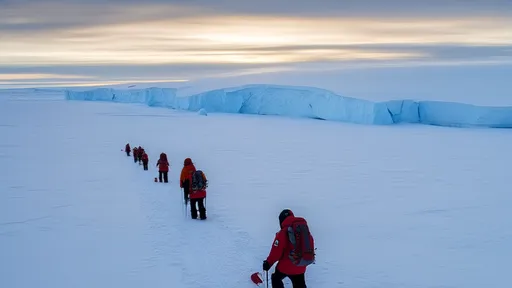
Life for a polar bear in Svalbard is dictated by the relentless rhythm of the seasons and the state of the sea ice. The archipelago acts as a critical hub in the larger Barents Sea polar bear population. During the peak of winter, when the sea ice is at its maximum extent, these bears are true nomads. They traverse hundreds of miles, using the ice as a floating platform from which to hunt. Their strategy is one of immense patience and power. They locate a seal's breathing hole in the ice and wait, motionless for hours or even days, for the telltale sign of an exhale. In a explosive burst of speed and strength, they lunge forward, hooking the seal with their claws and hauling it onto the ice. This high-fat diet is essential for building up the energy reserves needed to survive the lean summer months.
As spring arrives and the sun returns, a critical phase begins. Pregnant females, having gorged on seals throughout the winter, embark on a long trek inland or to the steep, mountainous slopes of the islands. Here, they dig deep maternity dens in the snowdrifts, where they will give birth, typically to one or two tiny, blind cubs around the turn of the year. Within the insulated silence of the den, the cubs nurse on their mother's incredibly rich milk, growing rapidly while being protected from the harshest weather outside. When they emerge months later, the world is a vast and bewildering place, and the mother's task of teaching them to hunt and survive begins.
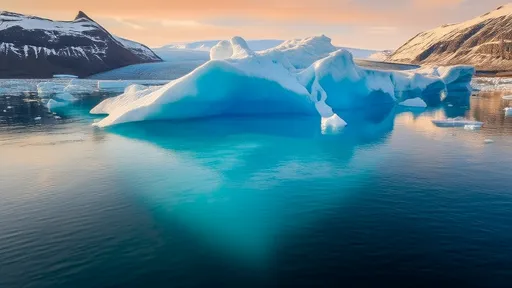
The relationship between the Svalbard archipelago and its polar bears is undergoing a profound and alarming transformation, driven by the relentless advance of climate change. The Arctic is warming at a rate more than twice the global average, and the effects on Svalbard are starkly visible. The sea ice, the very foundation of the polar bear's existence, is forming later in the autumn and breaking up earlier in the spring. The period of optimal hunting is shrinking, leaving the bears with less time to build up their crucial fat reserves. In recent years, areas of Svalbard that were once reliably ice-covered well into the summer have become open water, stranding bears on land for extended periods.
This forced fasting on land has dire consequences. Bears are being found in poorer body condition, with lower fat stores. This directly impacts reproductive rates, as undernourished females are less likely to conceive or successfully rear cubs. There have been increasing, and deeply concerning, observations of bears resorting to alternative, less nutritious food sources, such as bird eggs, reindeer, and even vegetation. While this demonstrates a degree of behavioral flexibility, these foods cannot replace the dense caloric intake provided by a seal. The sight of a gaunt polar bear scavenging on a bird cliff is a powerful and disturbing symbol of an ecosystem out of balance.
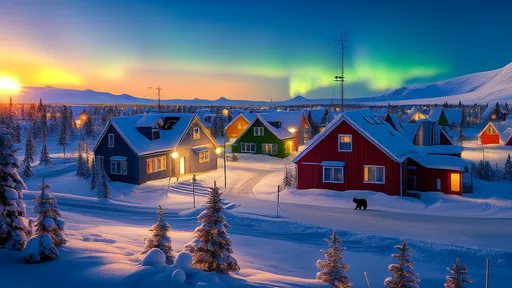
Human presence in Svalbard adds another layer of complexity to the bears' struggle. The main settlement, Longyearbyen, is a growing community, and tourism, centered largely around wildlife viewing, is on the rise. While the polar bear is a major draw, this proximity creates potential for conflict. Svalbard has a strict policy of "frighten, don't kill," and residents are required to carry firearms outside the settlements for protection. Incidents are rare, thanks to extensive safety protocols and a deep-seated respect for the bear's power, but the risk is ever-present. As sea ice retreats and bears spend more time near coastlines, the likelihood of encounters increases, posing a challenge for both bear and human safety.
Conservation efforts in Svalbard are robust but face an uphill battle against a global problem. The entire archipelago is a protected nature reserve, and polar bears are strictly safeguarded under Norwegian law. International agreements like the 1973 Agreement on the Conservation of Polar Bears, to which Norway is a signatory, promote cooperation across Arctic nations. Research is continuous, with scientists tracking bear movements, health, and population dynamics to better understand the impacts of a changing climate. This data is vital, painting a clear picture of the pressures the population is under and informing future management strategies.
However, the most significant threat to the Svalbard polar bear—the rapid loss of their sea-ice habitat—cannot be solved by local regulations alone. It is a challenge that demands global action to reduce greenhouse gas emissions. The future of these bears is a barometer for the health of the entire Arctic ecosystem. Their potential decline or displacement from traditional areas would create a ripple effect, unbalancing the food web and irrevocably altering one of the world's last great wildernesses.
To stand in Svalbard and glimpse a polar bear—a powerful white shape moving with purposeful grace across the ice—is to witness a creature perfectly attuned to its environment. It is an experience that evokes a sense of awe and humility. The Svalbard polar bear is more than just an animal; it is an icon of the wild, a symbol of resilience, and a stark reminder of the fragility of our natural world in the face of human-induced change. Their continued survival hinges not just on the protective measures in their immediate environment, but on the world's collective will to preserve the icy realm they call home.