Antarctic White Continent
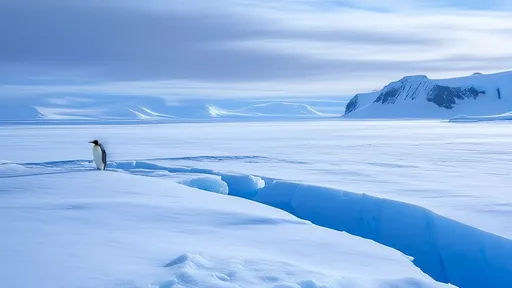
In the southernmost reaches of our planet lies a continent unlike any other, a frozen realm of breathtaking beauty and profound mystery. Antarctica, the Earth's last great wilderness, stands as a testament to nature's most extreme creations, a land where ice defines existence and silence speaks volumes. This white continent, covering approximately 14 million square kilometers, holds within its frozen grasp secrets about our planet's past and future that scientists are only beginning to unravel.
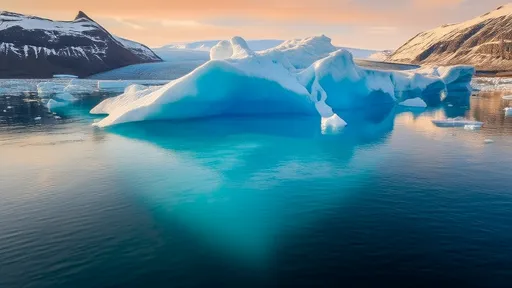
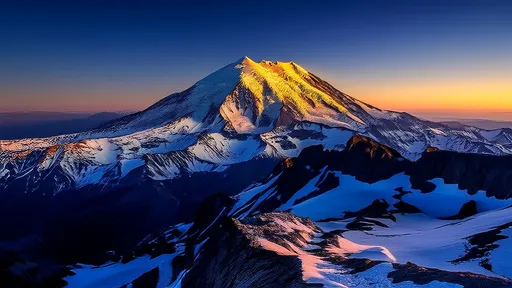
The journey to understanding Antarctica begins with its formidable geography. This is a land dominated by ice, with an average thickness of nearly two kilometers covering about 98% of its surface. The East Antarctic Ice Sheet, the largest single mass of ice on Earth, contains enough frozen water to raise global sea levels by over 50 meters if it were to melt completely. Beneath this immense frozen blanket lies a landscape of mountains and valleys, some buried deeper than the Grand Canyon, waiting to reveal their stories to persistent researchers braving the harshest conditions on Earth.
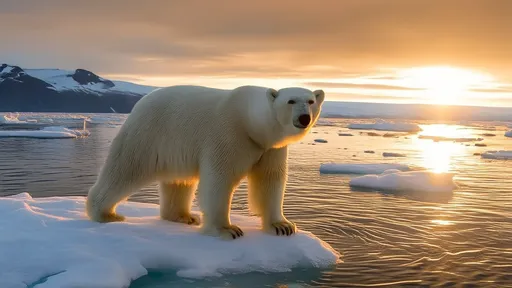
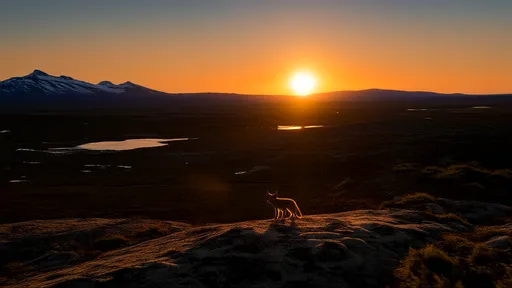
Antarctica's climate defies human comprehension, with temperatures regularly plunging below -60°C during the winter months. The coldest temperature ever recorded on Earth was measured at the Russian Vostok Station in July 1983, when the mercury dropped to a staggering -89.2°C. Yet despite these extreme conditions, life persists in remarkable ways. The coastal regions experience relatively milder temperatures, rarely rising above freezing even in summer, creating a narrow habitable zone where wildlife congregates in spectacular numbers.
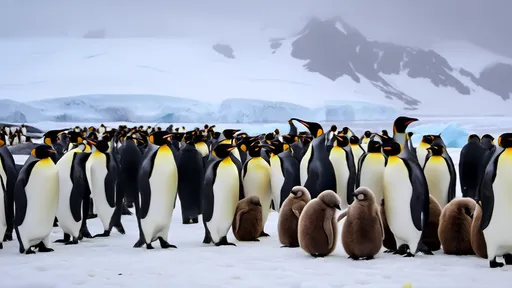
The Southern Ocean surrounding Antarctica teems with life in ways that contradict the continent's sterile appearance. Krill, tiny shrimp-like creatures, form the foundation of a rich marine ecosystem, supporting everything from fish to seals to the magnificent whales that migrate thousands of kilometers to feed in these nutrient-rich waters. Penguin colonies numbering in the hundreds of thousands create bustling cities of life on the ice, their comical waddles belying their incredible adaptations to this harsh environment. Seal species have evolved remarkable abilities to survive here, from the formidable leopard seal to the massive elephant seal, each perfectly suited to their niche in this frozen world.
Human presence in Antarctica represents one of our species' greatest achievements in cooperation and scientific pursuit. The Antarctic Treaty System, signed in 1959 and since joined by numerous nations, stands as a remarkable example of international collaboration, designating the continent as a natural reserve devoted to peace and science. Research stations dot the landscape like scientific outposts from another world, where international teams work together in conditions that would have been unimaginable to early explorers. These modern pioneers conduct research that ranges from climate science to astrophysics, each study contributing pieces to the puzzle of understanding our changing planet.
Climate change presents the greatest threat to Antarctica's delicate balance. The western portion of the continent has experienced some of the most rapid warming on Earth, with ice shelves collapsing at alarming rates. Scientists monitor these changes with growing concern, understanding that what happens in Antarctica doesn't stay in Antarctica—the melting of its ice sheets has global implications for sea level rise and climate patterns. The recent discovery of rivers and lakes beneath the ice sheets has added new complexity to our understanding of how these massive frozen structures respond to warming temperatures.
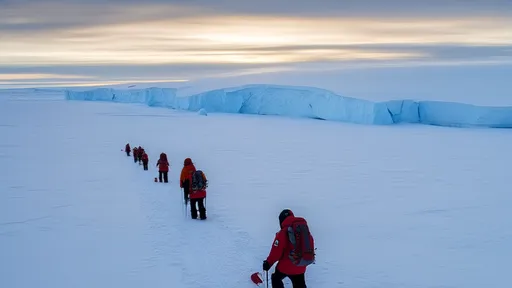
The exploration history of Antarctica reads like an epic tale of human endurance and tragedy. From the early sealers who kept their hunting grounds secret to the legendary race to the South Pole between Amundsen and Scott, the continent has tested human limits in extraordinary ways. The heroic era of exploration left behind stories of incredible bravery and heartbreaking loss, with explorers pushing themselves beyond imaginable limits in their quest to conquer this last geographical frontier. Today's researchers stand on the shoulders of these giants, benefiting from their hard-won knowledge while facing challenges that remain fundamentally similar in their demand for preparation and resilience.
Antarctica's significance extends far beyond its geographical boundaries. This frozen continent acts as Earth's refrigerator, helping to regulate global climate patterns through its influence on ocean currents and atmospheric circulation. The ice cores drilled from its ancient glaciers provide a window into Earth's climate history spanning hundreds of thousands of years, revealing the intimate relationship between greenhouse gases and global temperatures. These paleoclimate records have been instrumental in understanding our current climate crisis and projecting future changes.
The preservation of Antarctica represents one of humanity's most important environmental responsibilities. As the only continent without native human population or historical exploitation, it stands as a benchmark against which we can measure human impact elsewhere on the planet. The Madrid Protocol, which designates Antarctica as a natural reserve, prohibits mining and strictly regulates tourism and other activities, though these protections face ongoing challenges as interest in the continent grows. The delicate balance between scientific access and environmental protection requires constant vigilance and international cooperation.
Looking to the future, Antarctica faces uncertain times. The same isolation that preserved it for millennia now makes it vulnerable to changes originating elsewhere on the planet. Atmospheric and ocean currents carry pollutants from distant continents, while global warming threatens to transform this frozen realm in ways we are only beginning to comprehend. Yet Antarctica also represents hope—hope that international cooperation can prevail over national interests, that scientific understanding can guide policy decisions, and that humanity can recognize the value of preserving wild places for their own sake and for the crucial roles they play in maintaining our planet's health.
For those fortunate enough to visit Antarctica, the experience proves transformative. The overwhelming scale of the landscapes, the profound silence broken only by natural sounds, and the sheer intensity of the environment leave indelible marks on the human spirit. This continent reminds us of nature's power and our place within the global ecosystem. As we continue to study this remarkable continent, we uncover not just secrets about Earth's past and future, but also insights about our own species' capacity for wonder, cooperation, and stewardship of the extraordinary planet we call home.