Madagascar: A Wonderland Adventure
Madagascar, the fourth largest island in the world, stands as a living laboratory of evolution, a place where nature has crafted unique life forms found nowhere else on Earth. Located off the southeastern coast of Africa, this island continent has been isolated for nearly 90 million years, allowing its flora and fauna to evolve along extraordinary paths. The result is a land of breathtaking contrasts, where lush rainforests meet spiny deserts, and where the calls of strange creatures echo through canyons and across baobab avenues.
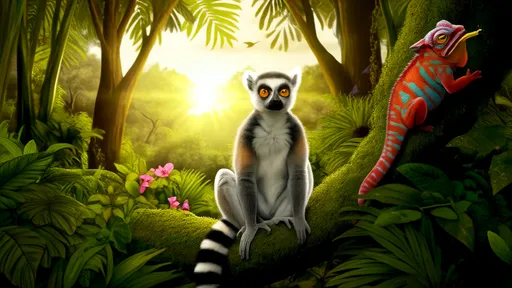
The journey into Madagascar's heart begins with its legendary lemurs. These charismatic primates, found exclusively on this island, represent one of nature's most fascinating evolutionary stories. From the ghostly white silky sifaka leaping through misty rainforests to the haunting cries of the indri echoing through montane forests, lemurs display an incredible diversity of forms and behaviors. The ring-tailed lemurs, with their distinctive striped tails held high like banners, move in troops across the dry southern forests, while mouse lemurs, the world's smallest primates, navigate the night with enormous eyes and delicate fingers.
Beyond the lemurs, Madagascar's forests harbor other evolutionary marvels. The panther chameleon, a living jewel capable of color transformations that put rainbows to shame, shares the canopy with leaf-tailed geckos that vanish against tree bark. The island's forests are also home to the fossa, Madagascar's largest predator, a sleek, cat-like creature that moves with astonishing grace through the trees. Meanwhile, the ground beneath teems with tenrecs - spiny insectivores that have evolved to fill ecological roles occupied by hedgehogs, shrews, and even otters elsewhere in the world.
The botanical wonders of Madagascar are equally extraordinary. The island's signature baobab trees, particularly the majestic Avenue of the Baobabs, stand as ancient sentinels against dramatic sunsets. These "upside-down trees" have adapted to store water in their massive trunks, surviving in regions where rain is scarce and temperatures soar. In the eastern rainforests, traveler's palms fan out like giant peacock tails, while thousands of orchid species paint the canopy with delicate blooms. The spiny forests of the south present an entirely different botanical spectacle, where octopus trees and elephant's foot plants have evolved bizarre forms to conserve water in this arid landscape.
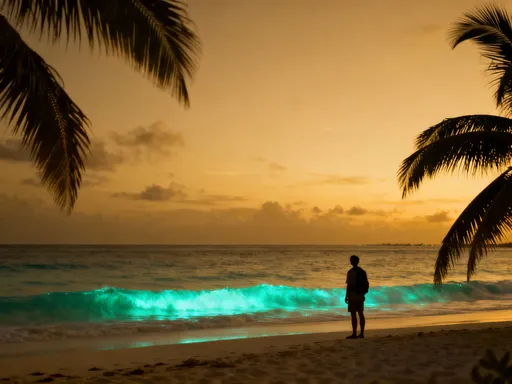
Madagascar's geological tapestry tells a story as dramatic as its biology. The Tsingy de Bemaraha National Park features one of the world's most spectacular landscapes - a forest of razor-sharp limestone pinnacles that create an almost impenetrable fortress. These "stone forests" have evolved over millions of years through erosion, creating microclimates that support unique ecosystems within their crevices and caves. Meanwhile, the red laterite soils of the highlands contrast sharply with the white sand beaches and turquoise waters that ring the island, particularly along the northeastern coast where some of the world's most pristine coral reefs thrive.
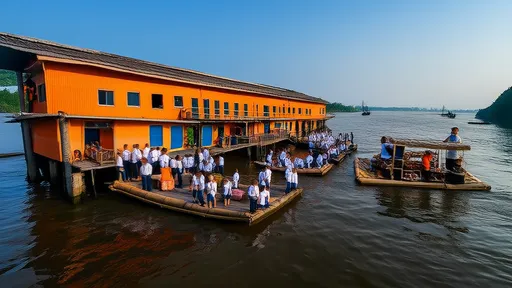
The cultural dimension of Madagascar adds another layer to its enchantment. The Malagasy people, with their mixed Austronesian and African heritage, have developed traditions deeply intertwined with the natural world. The concept of "fady" - cultural taboos - often protects certain animals and forests, while the practice of "famadihana," or turning of the bones, demonstrates the profound connection between the living and their ancestors. Traditional wooden homes with carved decorations dot the landscapes, and the vibrant markets overflow with handwoven textiles, intricate woodcarvings, and the distinctive scents of vanilla, cloves, and other spices for which the island is famous.
Conservation challenges cast shadows across this paradise. Madagascar has lost nearly 90% of its original forest cover, primarily due to slash-and-burn agriculture known as "tavy." This habitat destruction threatens countless species found nowhere else, from the critically endangered ploughshare tortoise to various lemur species teetering on the brink of extinction. Climate change compounds these threats, altering rainfall patterns and increasing the frequency of cyclones that can devastate both natural ecosystems and human communities.
Despite these challenges, hope persists through dedicated conservation efforts. National parks and special reserves protect crucial habitats, while community-based conservation projects empower local people to become stewards of their natural heritage. Organizations work with farmers to develop sustainable agricultural practices, and ecotourism provides economic incentives for preserving wildlife. Research continues to reveal new species - scientists discover previously unknown lemurs, chameleons, and plants with surprising regularity, reminding us how much remains to be discovered and protected.
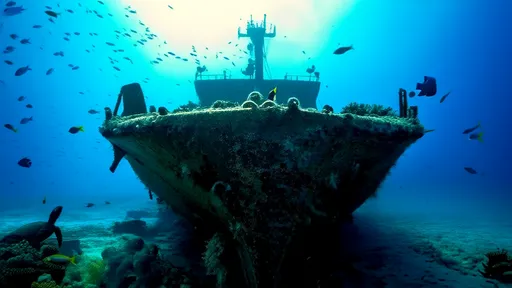
The marine environments surrounding Madagascar represent another dimension of its biological wealth. The island's extensive coral reefs, particularly around Nosy Be and the Radama Islands, host incredible marine biodiversity. Here, whale sharks glide through warm waters during certain seasons, while humpback whales come to calve in protected bays. The coral formations themselves display astonishing variety, from branching staghorn corals to massive brain corals, all providing habitat for countless fish species, sea turtles, and other marine creatures.
Seasonal transformations add dynamic beauty to Madagascar's landscapes. During the rainy season, normally arid regions burst into life with flowering plants and renewed greenery. The breeding seasons of various animals create spectacles of their own - from the courtship dances of birds to the gathering of marine creatures in specific locations. The migration of certain butterfly species creates living rivers of color, while the emergence of chameleons and other reptiles marks the warming of the land after cooler periods.
Madagascar's story continues to unfold with each scientific expedition and each season. Recent discoveries include lemur species previously unknown to science, ancient fossils revealing the island's lost giants like elephant birds and giant lemurs, and new understanding of how climate patterns affect the island's ecosystems. The very soil continues to yield secrets about how life adapts to isolation and change, making Madagascar not just a museum of evolution but an active laboratory where the processes of speciation and adaptation continue before our eyes.
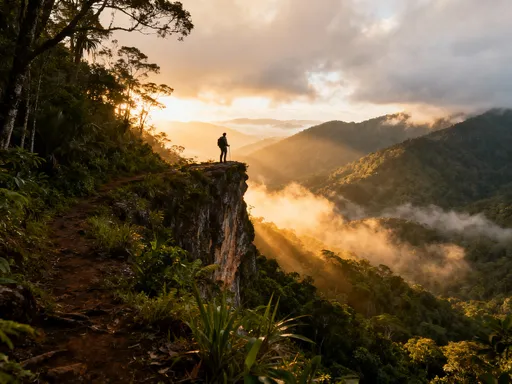
For those fortunate enough to visit, Madagascar offers experiences that transcend ordinary travel. Walking through rainforests where lemurs leap overhead, witnessing the otherworldly beauty of the tsingy formations, watching the sunset paint the baobabs in golden light - these moments create connections to a world that feels both ancient and immediate. The sounds, scents, and sights of this extraordinary island linger in memory long after departure, calling visitors back to further explore its mysteries and wonders.
The future of Madagascar hangs in a delicate balance between conservation and development, between preserving unique traditions and embracing necessary change. What remains undeniable is the island's profound importance to global biodiversity and its role as a living testament to evolution's creative power. As climate change accelerates and human pressures increase, the world watches this ecological treasure, hoping that its unique voices - both human and wild - will continue to echo through its forests, across its plains, and along its shores for generations to come.