My fave budget travel hacks that saved me hundreds! ✈️
You know that sinking feeling when you check your bank account after booking a flight? I’ve been there—staring at the screen, wondering if my wanderlust just bankrupted me. But here’s the thing: after years of trial and error, I’ve cracked the code to traveling more while spending way less. These aren’t just generic tips; they’re the exact strategies that have saved me hundreds, sometimes thousands, on trips across three continents. By the time you finish reading, you’ll have a toolkit of practical, no-fluff hacks to slash costs on flights, accommodation, and daily expenses without sacrificing the joy of exploration.
The Flight Booking Game Changer
Most people head straight to the big booking sites, but that’s where you’re already losing. Airlines use dynamic pricing, meaning the cost of your ticket can change in seconds based on demand, your search history, and even the device you’re using. I learned this the hard way when I watched a flight to Lisbon jump $200 in two hours. Now, I always start with incognito mode to avoid cookies tracking my searches. Beyond that, I use fare comparison tools like Google Flights and Skyscanner’s “Everywhere” search. This feature is a total game-changer—you input your departure city and dates, and it shows you the cheapest destinations worldwide. Last fall, I planned a trip around this tool and snagged a $380 round-trip to Athens when flights to my original choice, Barcelona, were over $700. Flexibility is your best friend here; shifting your dates by just one or two days can save you a fortune.
Accommodation Beyond the Obvious
Hotels are convenient, but they drain your budget fast. Instead, I mix and match lodging options based on the trip. For solo travel or short stays, hostels aren’t just for backpackers—many offer private rooms with en-suite bathrooms at half the price of a hotel. Platforms like Hostelworld let you filter by ratings and amenities, so you avoid the “party hostels” if that’s not your scene. For longer stays, I swear by vacation rentals. Sites like Airbnb and Vrbo often have weekly or monthly discounts that bring the nightly rate way down. On a month-long workation in Mexico, I rented a cozy studio with a kitchen for $900 total; a similar hotel would’ve cost over $2,500. Cooking a few meals at home saved me another $200 on dining out. Don’t overlook house-sitting either—through TrustedHousesitters, I stayed in a gorgeous apartment in London for free, just by watering plants and feeding a very chill cat.
Eating Like a Local (Without the Tourist Markup)
Food is one of the biggest travel expenses, but it doesn’t have to be. I used to fall into the trap of eating near major attractions, paying $20 for a mediocre sandwich. Now, I walk just a few blocks away—where the locals eat—and find authentic meals for a fraction of the price. In Tokyo, I skipped the crowded ramen shops in Shibuya and discovered a tiny alleyway joint where bowls cost $6 instead of $18. Another hack? Hit up grocery stores or local markets for breakfast and snacks. A fresh baguette, cheese, and fruit from a Parisian marché became my go-to picnic lunch, costing under $5 versus $15 at a café. If you’re staying somewhere with a kitchen, cook one meal a day. It sounds simple, but prepping your own coffee and breakfast saves $10–$15 daily, which adds up to $100 on a week-long trip.
Transportation Smarts
Ride-shares and taxis are budget killers. I prioritize public transport wherever I go—it’s cheaper, and you see the city like a resident. Before arriving, I research transit passes. Many cities offer unlimited travel cards for 24 or 72 hours. In Berlin, a 7-day pass cost me €34, while a few Uber rides would’ve exceeded that in two days. For longer distances between cities, I compare trains and buses. FlixBus in Europe or Megabus in the U.S. often have fares as low as $5 if you book early. On a recent trip from Prague to Vienna, the bus was $12 compared to a $60 train ticket. Walking is another underrated hack. I plan my daily itineraries so that attractions are within walking distance of each other, saving money and discovering hidden gems along the way.
Free and Low-Cost Activities
You don’t need to splurge on expensive tours to have a rich travel experience. Most cities are packed with free attractions if you know where to look. I always start with free walking tours—they’re tip-based, so you pay what you can afford, and the guides are usually locals with incredible stories. Museums often have “free admission” days or hours; the Louvre in Paris is free on the first Saturday of the month after 6 PM. Parks, beaches, and historic neighborhoods cost nothing to explore. In Lisbon, I spent an entire day wandering through Alfama’s narrow streets, listening to street musicians, and soaking in the views from miradouros (viewpoints) for the price of a pastel de nata. Check local event calendars for free festivals or concerts, too. I stumbled upon a open-air jazz night in Barcelona that became the highlight of my trip.
Money-Saving Mindset and Tools
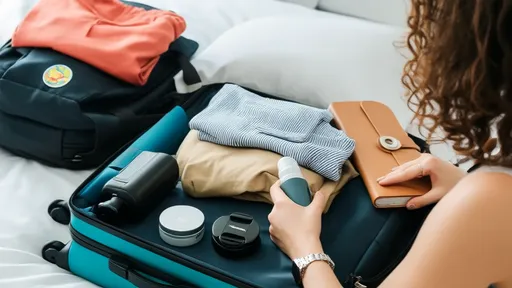
It’s not just about individual hacks—it’s about adopting a budget-conscious mindset. I set a daily spending limit and track everything with a free app like Trail Wallet. Seeing those numbers in real time keeps me accountable. Another pro tip: use a credit card with no foreign transaction fees. Those 3% fees might seem small, but they add up quickly. I also notify my bank before traveling to avoid frozen cards, which can lead to costly ATM fees in emergencies. Travel insurance is another non-negotiable; it seems like an extra expense, but it saved me $1,500 when I had to cancel a trip due to a family emergency. Compare policies on Squaremouth to find affordable options. Lastly, pack light to avoid checked bag fees. I’ve mastered the art of fitting 10 days’ worth of clothes into a carry-on—it’s liberating and saves $50–$100 per flight.
The Real Reward of Budget Travel
Beyond the savings, these hacks have transformed how I experience travel. When you’re not stressed about money, you’re more present—chatting with a market vendor in Bangkok, getting lost in a Rome neighborhood, or sharing stories with fellow travelers in a hostel common room. It’s not about deprivation; it’s about prioritizing what truly enriches your journey. The $10 you save on a taxi could fund a cooking class or a special souvenir. This approach has allowed me to travel three times a year on an average income, collecting memories instead of debt. The confidence that comes from knowing you can navigate the world affordably is priceless.
Start with one or two of these strategies on your next trip. Maybe it’s booking that flight in incognito mode or trying a free walking tour. Small shifts lead to big savings over time. Your dream destinations are more accessible than you think—you’ve just got to travel smarter, not harder. For more personalized tips, grab my free packing checklist and budget planner on my site. Happy travels, and may your adventures be rich in experiences, not expenses!